Opinion: Why we should all be called Fijians
Citizenship, equality and national identity under the 2013 Constitution
Tuesday 14 April 2026 | 12:30
Updated 14 April 2026 | 14:03 FJT
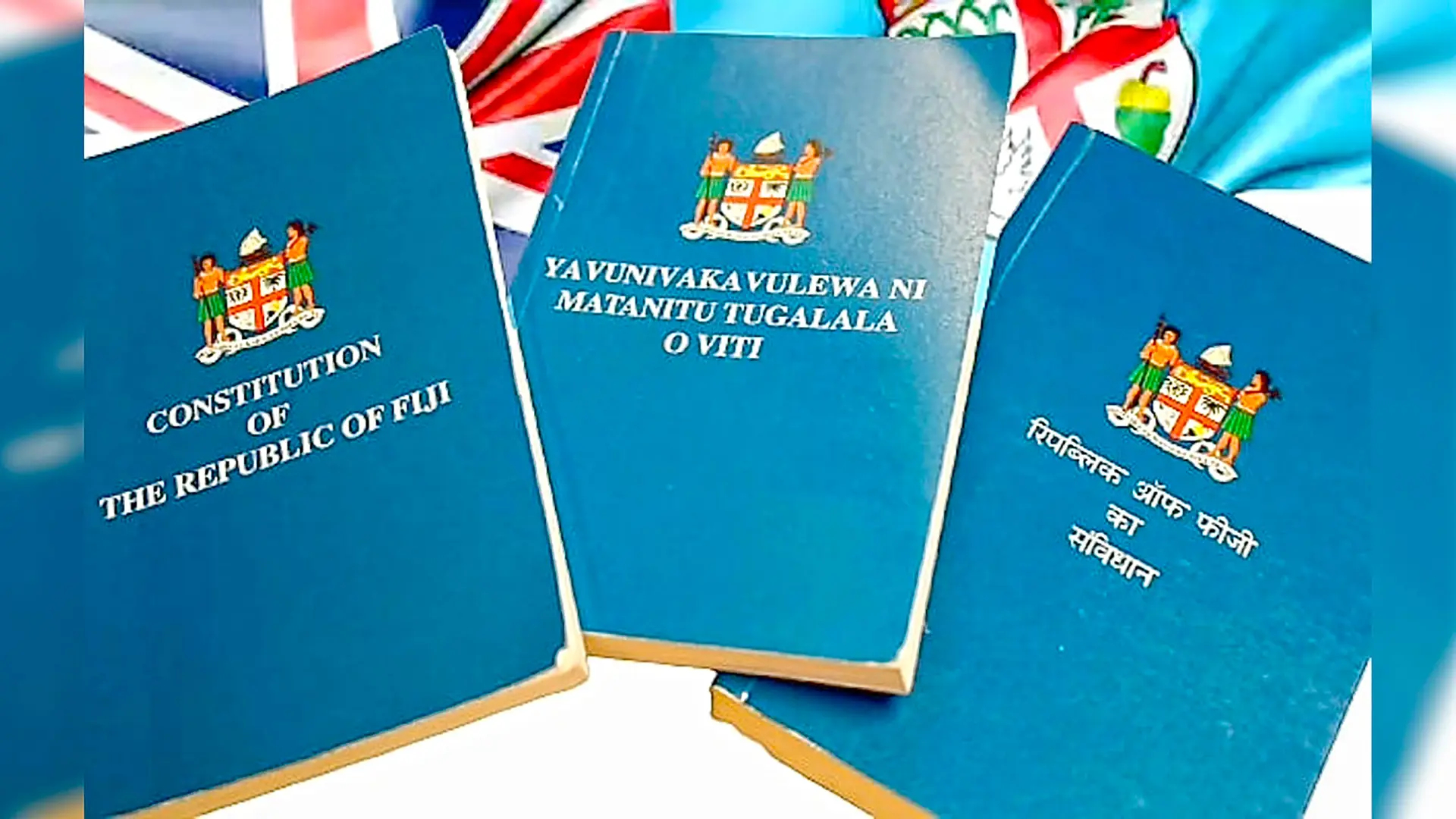
The 2013 Constitution refers to “WE, THE PEOPLE OF FIJI” as comprising the iTaukei, Rotumans, the descendants of those who came to Fiji as indentured labourers, and those who arrived as free settlers and immigrants.
It recognises the iTaukei and Rotumans as Fiji’s indigenous communities.
National identity
Related stories
And then, in the wider national context of the sovereign democratic Republic of Fiji as a State, we are all to consider ourselves as fellow “Fijians.”
This national identity derives from our common and equal citizenship of our State.
As individual persons and fellow Fiji citizens, we are endowed with equal fundamental rights and obligation by the Constitution as our supreme law.
In recent days, and in conjunction with the ongoing review of the 2013 Constitution, some very senior members of the Great Council of Chiefs have expressed strong opposition to the use in Fiji’s Constitution of the title “Fijian” to be our common national identity as fellow citizens of Fiji.
They want its use to be exclusively reserved for the indigenous Fijians.
I was surprised by this because all of them are outstanding examples of individual persons who are well educated and very successful in their professional careers.
In fact, I foresee a day in future when people like them, given their chiefly status and community leadership experience, will be among candidates for election in Parliament to be our Head of State as the Republic of Fiji.
Archbishop Petero Mataca
However, when I read of these concerns by our traditional iTaukei leaders, the very first thought that came to my mind was a very moving public statement in circa 1978 by the late Archbishop Petero Mataca.
He said that irrespective of how and when we, each one us, arrived in Fiji, it is today home to us all. And as such, we have a duty of care to look after one another both as good neighbours and as fellow citizens of Fiji.
I believe that this is the broad perspective from which we all should contemplate and ponder this issue. We should consider it dispassionately from an objective, impartial and inclusive approach, and not be parochially minded or emotional about it.
We should make a clear distinction between our identities as ethnic communities and as citizens of the State of the Republic of Fiji.
If we were looking at ourselves from a sociological perspective as members of a multi-ethnic society, I would personally favour the use of the title or name “iTaukei” for the indigenous Fijians.
This is because it actually and accurately embraces the two attributes that uniquely and exclusively identify an indigenous Fijian in our multi-ethnic society.
First, they were the first community to arrive and settle in Fiji. By virtue of that, they are Fiji’s first nation or iTaukei.
They are entitled to this, and should be respected by everyone for it.
Second, through the Deed of Cession of 10th October 1874, Great Britain recognised the rights, under English common law, of the iTaukei to their ancestral tribal lands and associated natural resources, through custom, usage and tradition. Today, these proprietary rights in common of the iTaukei are institutionalised and protected under the iTaukei Lands Act and the 2013 Constitution [sections 28 and 30].
Indigenous Fijians
So, the indigenous Fijians are the iTaukei first because they were the first to arrive and settle in Fiji, and second, because they own in common 92 per cent of all lands in Fiji, and other associated natural resources.
I would urge upon the Bose Levu Vakaturaga to recall the pleas to them by Jai Ram Reddy, Leader of the National Federation Party and Leader of the Opposition in Parliament, and by Mahendra Chaudhry, Leader of the Fiji Labour Party, when they each called on the BLV.
They appealed to the BLV to look after the well-being and welfare of all communities in Fiji.
On our national identity as fellow Fijians, I really cannot understand why we cannot, and should not, call ourselves Fijians. Here, we are referring to ourselves as individual persons with equal fundamental civil and political rights.
What binds us together is our common and equal citizenship of Fiji.
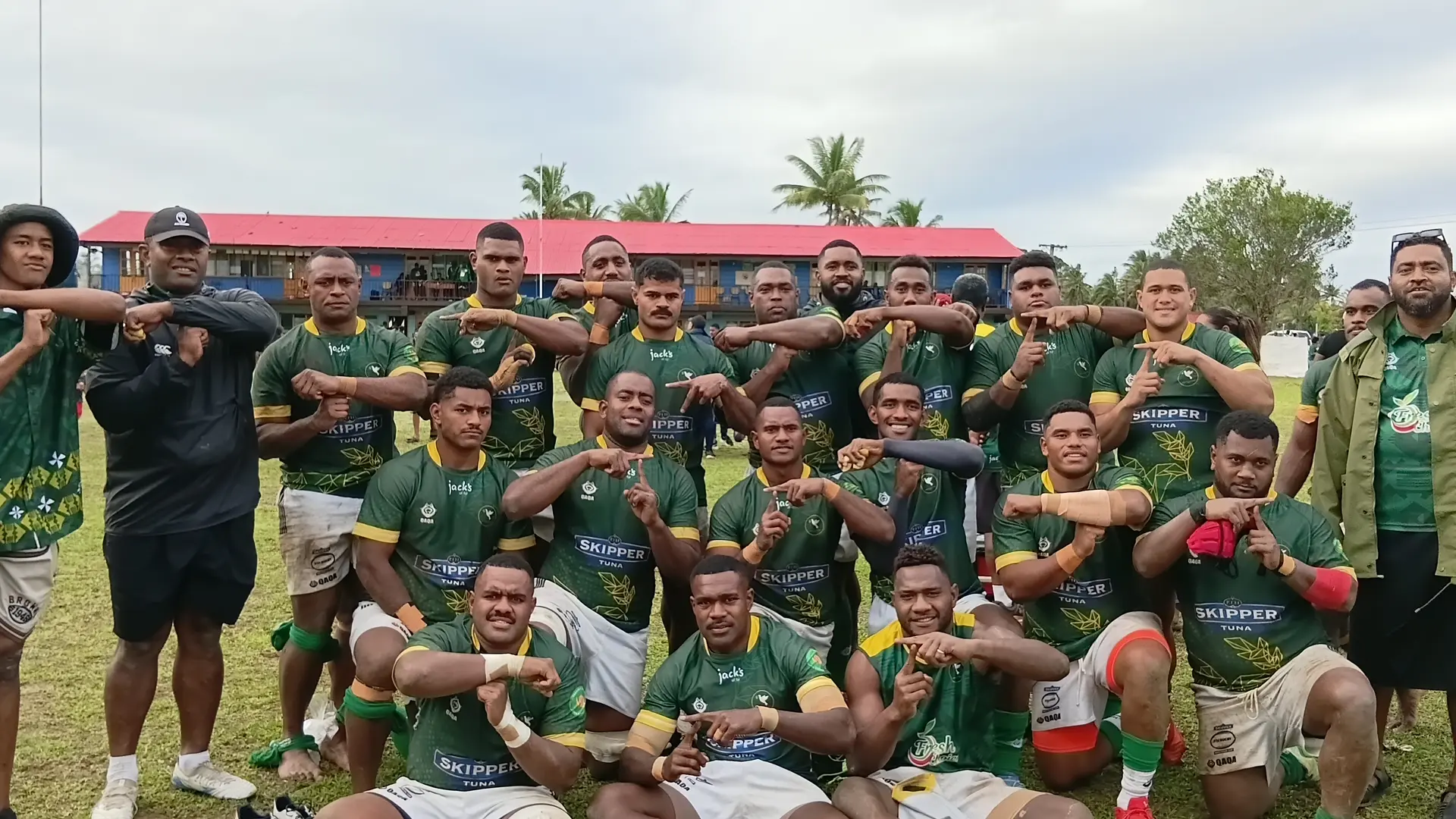
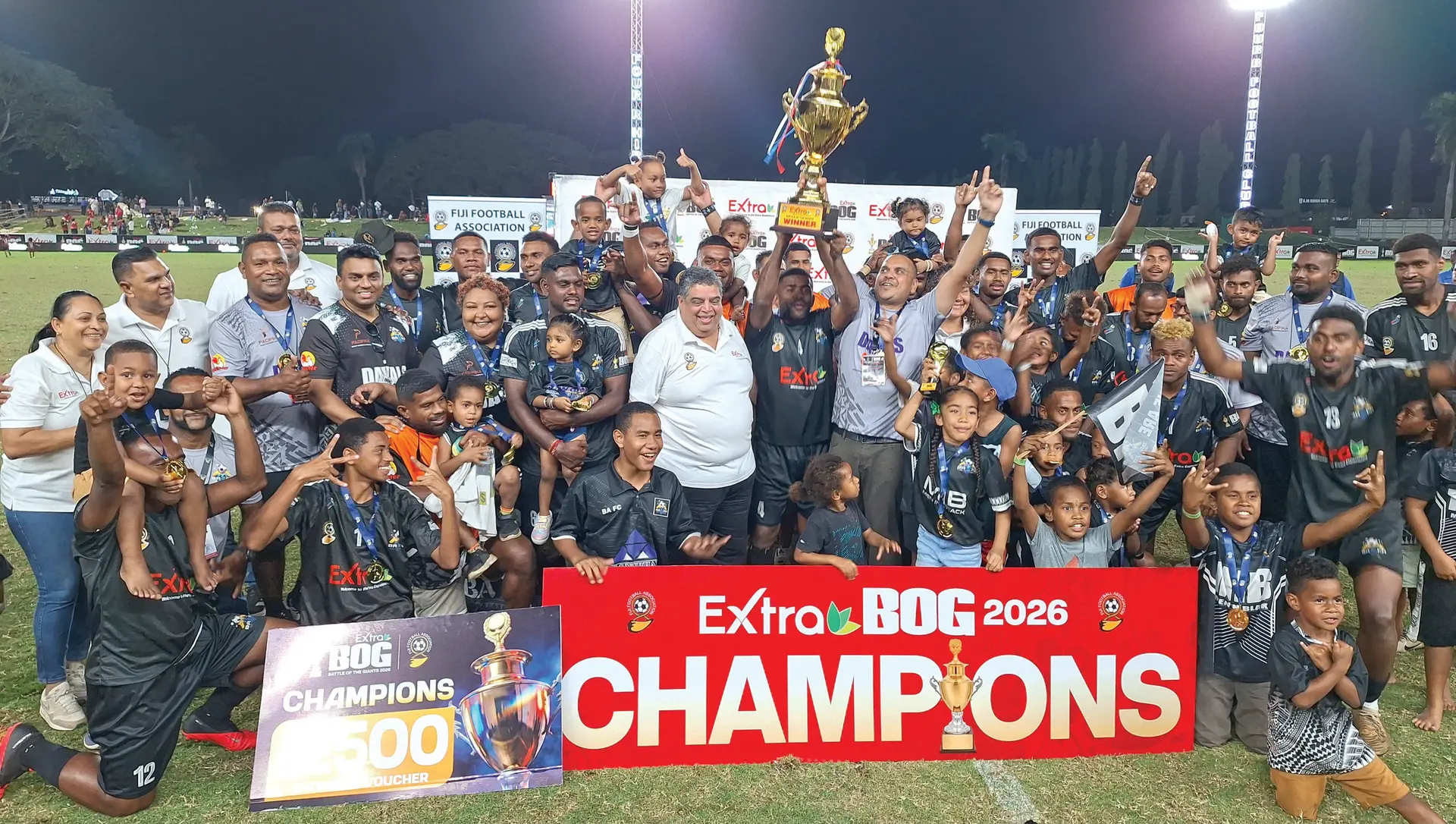
When our national representative teams in rugby, soccer, netball or athletics are playing or participating for Fiji in competitive international games, or when our Government sends a delegation to an international forum, we proudly refer to them as Fijians.
And let us not forget that Fiji is a State party to the International Convention on the Elimination of All Forms of Racial Discrimination [ICERD] 1965.
All States Parties are under obligation under Article 2 not to act or practice racial discrimination against any persons or group of persons.
So, let us be considerate of one another and agree to continue this usage of “Fijian” in the 2013 Constitution as our national identity.
But if we are referring to ourselves as a multi-ethnic society, it is logical that we should refer to our different communities as the iTaukei or indigenous Fijians, Indo-Fijians, Rotumans, European-Fijians, Part-European-Fijians, Chinese-Fijians and part-Chinese Fijians, Melanesian Fijians, and so on.
As a member State of the United Nation, Fiji is bound by the 2007 UN Declaration on the Rights of Indigenous Peoples.
This is the international foundation of the right of special recognition of the iTaukei and Rotumans, as Fiji’s indigenous communities.
[Jioji Kotobalavu was a long serving Permanent Secretary in the Civil Service and is currently a lecturer in public law and in international relations and diplomacy at the University of Fiji’s JDP School of Law]