Digital barriers affect job seekers with disabilities
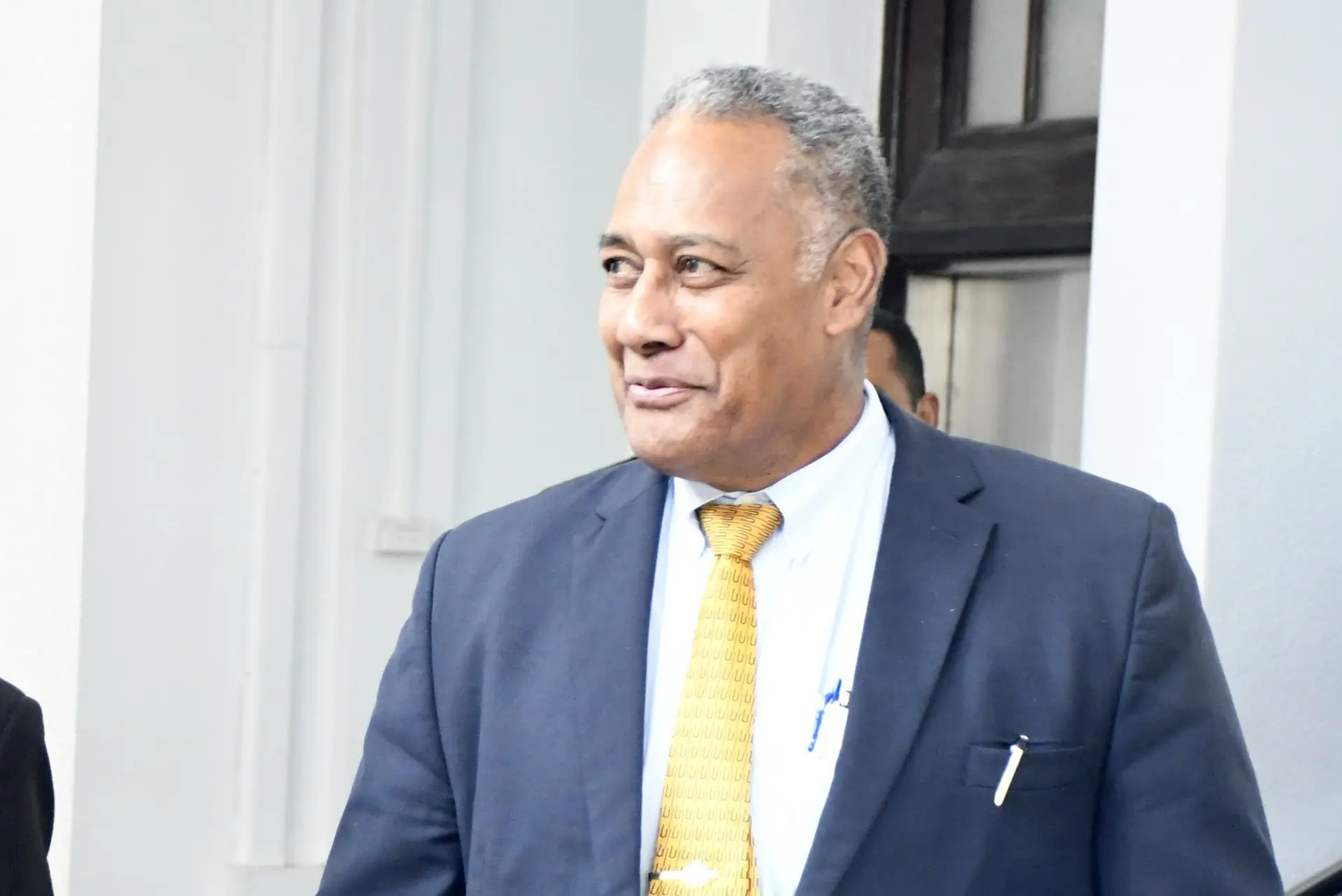
Office Manager of the United Blind Persons of Fiji Josaia Suqesuqevanua said the shift to online recruitment had created a new barrier for people with visual impairments.
Thursday 05 February 2026 | 14:00


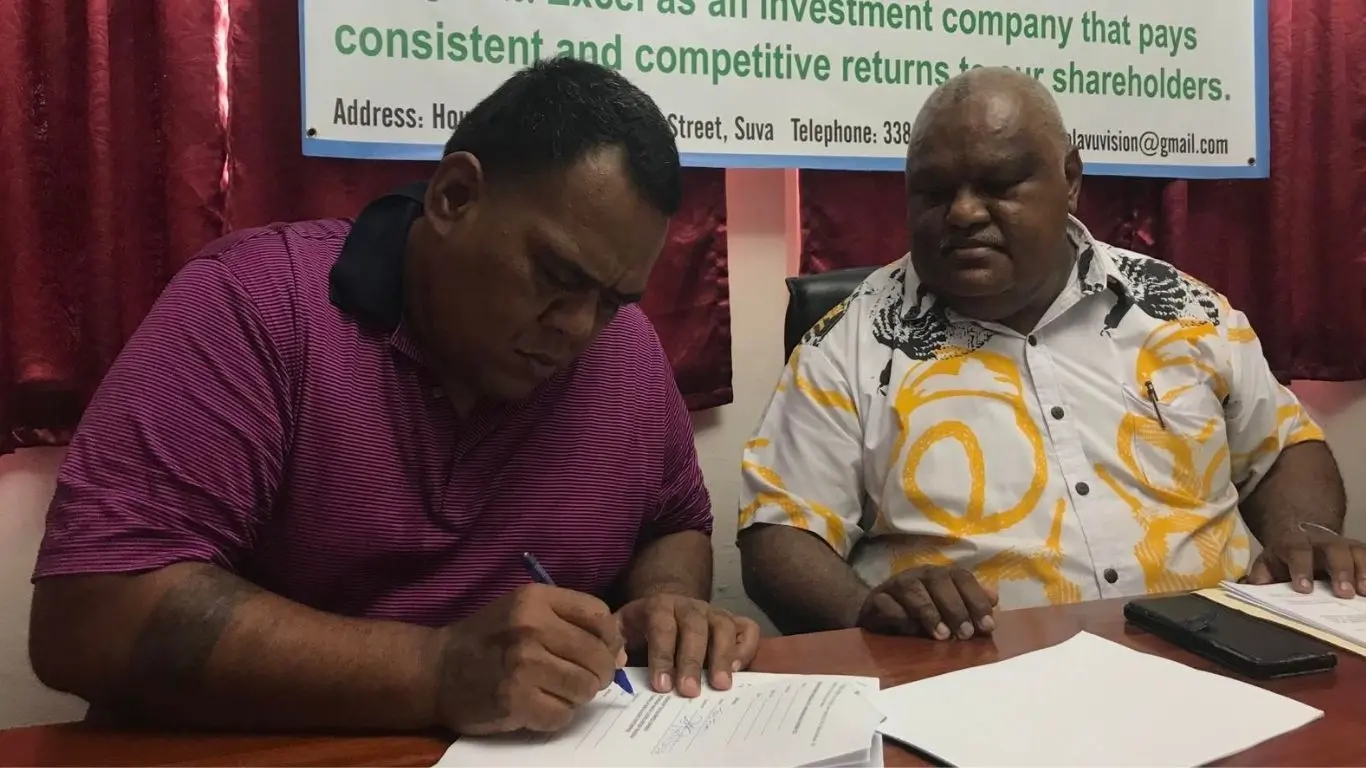
Office Manager of the United Blind Persons of Fiji Josaia Suqesuqevanua during an interview on February 4, 2026.
Rariqi Turner
Many university-trained persons with visual impairments in Fiji are being locked out of employment before they even reach the interview stage — not because they lack qualifications, but because online job application systems are inaccessible.
The issue was raised during the national consultation on the Inclusive Employment Guidebook in Suva yesterday.
Office Manager of the United Blind Persons of Fiji Josaia Suqesuqevanua said the shift to online recruitment had created a new barrier for people with visual impairments, as many application platforms were not compatible with screen-reading software.
Related stories
“A lot of our members are graduates from tertiary institutions, but they are stopped right at the first step because online application systems are not accessible with screen readers,” Mr Suqesuqevanua said.
He said the digital barrier effectively shut out qualified candidates before employers even saw their skills or experience.
“They don’t even get the chance to submit their CVs. That is where discrimination begins,” he said.
Mr Suqesuqevanua said the problem highlighted why the Inclusive Employment Guidebook, currently under national consultation, was urgently needed.
“Employment is not a favour. It is a fundamental right. Many employers do not intentionally discriminate, but they do not know how to include persons with disabilities,” he said.
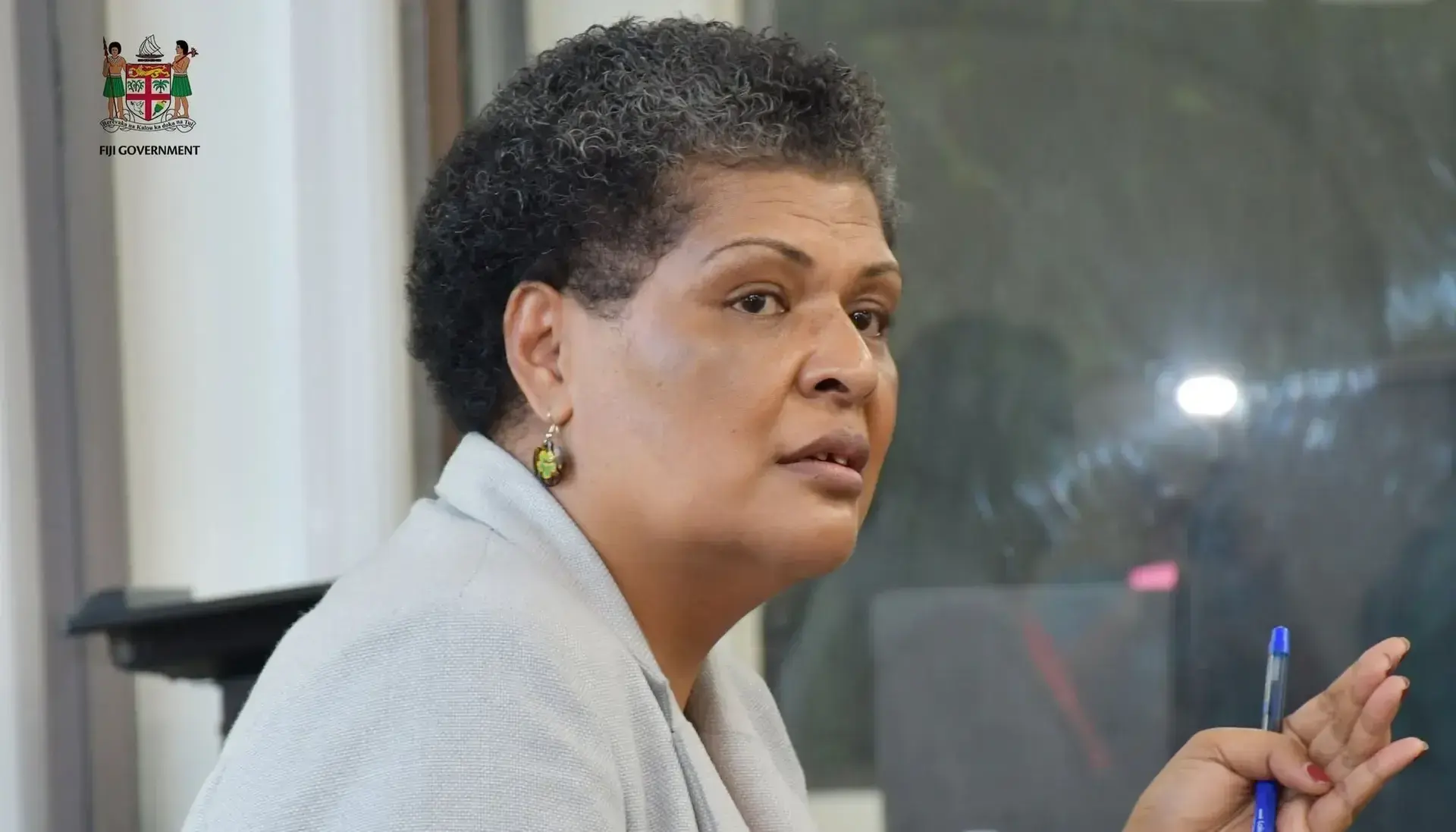
In response, Minister for Employment and Workplace Relations Agni Deo Singh said inaccessible online systems that blocked qualified job seekers were a form of discrimination that must be addressed.
“When qualified people are blocked from applying for jobs simply because online systems are not accessible, that is discrimination in practice. Accessibility is not optional — it is a legal and moral responsibility,” Mr Singh said.
He said the guidebook was designed to help employers identify and fix gaps, from recruitment systems to workplace support, so that no one was excluded from employment because of disability.
Mr Suqesuqevanua said discrimination did not stop at recruitment.
“Some of our members who acquired disabilities while already employed were sent home because workplaces were not ready to support their needs,” he said.
“Once employers see the disability, they assume the person cannot do the job, even before giving them a chance,” he added.
The Inclusive Employment Guidebook is expected to be launched in March, following the completion of consultations and approval processes.
“Employers must see accessibility not as a burden, but as a responsibility and an opportunity to build fairer workplaces across Fiji,” Mr Suqesuqevanua said.