Drug Saliva Tests on LTA Radar
These regulations are crucial to ensuring that LTA’s responsibilities and powers.
Wednesday 25 June 2025 | 14:28
Updated 08 August 2025 | 15:33 FJT

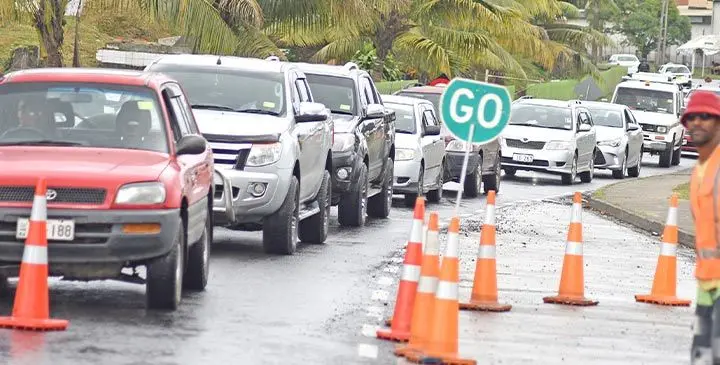
The Land Transport Authority (LTA) is exploring the potential implementation of roadside saliva testing to detect drug use.
Efforts are underway to finalise the regulations that govern such tests.
While LTA has not yet officially started random on-site drug testing, chief executive officer Irimaia Rokosawa said LTA was looking into procuring drug testing equipment.
Related stories
He said saliva tests would be a highly effective and reliable method for detecting recent drug use, compared to other methods employed globally, such as follicle testing.
“For our purposes, saliva testing is the preferred method. This preference is driven by several practical factors, such as the ease and non-invasiveness of sample collection, the ability to conduct tests onsite, and the rapid turnaround time for results,” Mr Rokosawa said.
“LTA is in the process of finalising the regulations that will govern the administration of these tests.”
These regulations are crucial to ensuring that LTA’s responsibilities and powers regarding the enforcement of random drug testing are clearly defined and prescriptive.
This is essential so that any enforcement action taken will have the legal mandate similar to drunk driving, which is governed by Land Transport (Breath Test and Analysis) Regulations 2000.
He added that once the regulatory framework was completed and approved, the initiative’s implementation would proceed accordingly.
“LTA is collaborating with the Fiji Police Force to enforce drug testing requirements. Police will be responsible for carrying out and enforcing the drug tests, because they have the legal authority to make arrests,” Mr Rokosawa said.
The LTA will continue working closely with its key stakeholders to ensure the proper and effective implementation of this process.
Feedback: jernese.macanawai@fijisun.com.fj