FIJI Water greenhouse project aims to cut imports, support farmers
Almost 7,000 seedlings, shipped from California, are now being nurtured in a purpose-built greenhouse facility in Waiqele.
Monday 12 January 2026 | 06:30

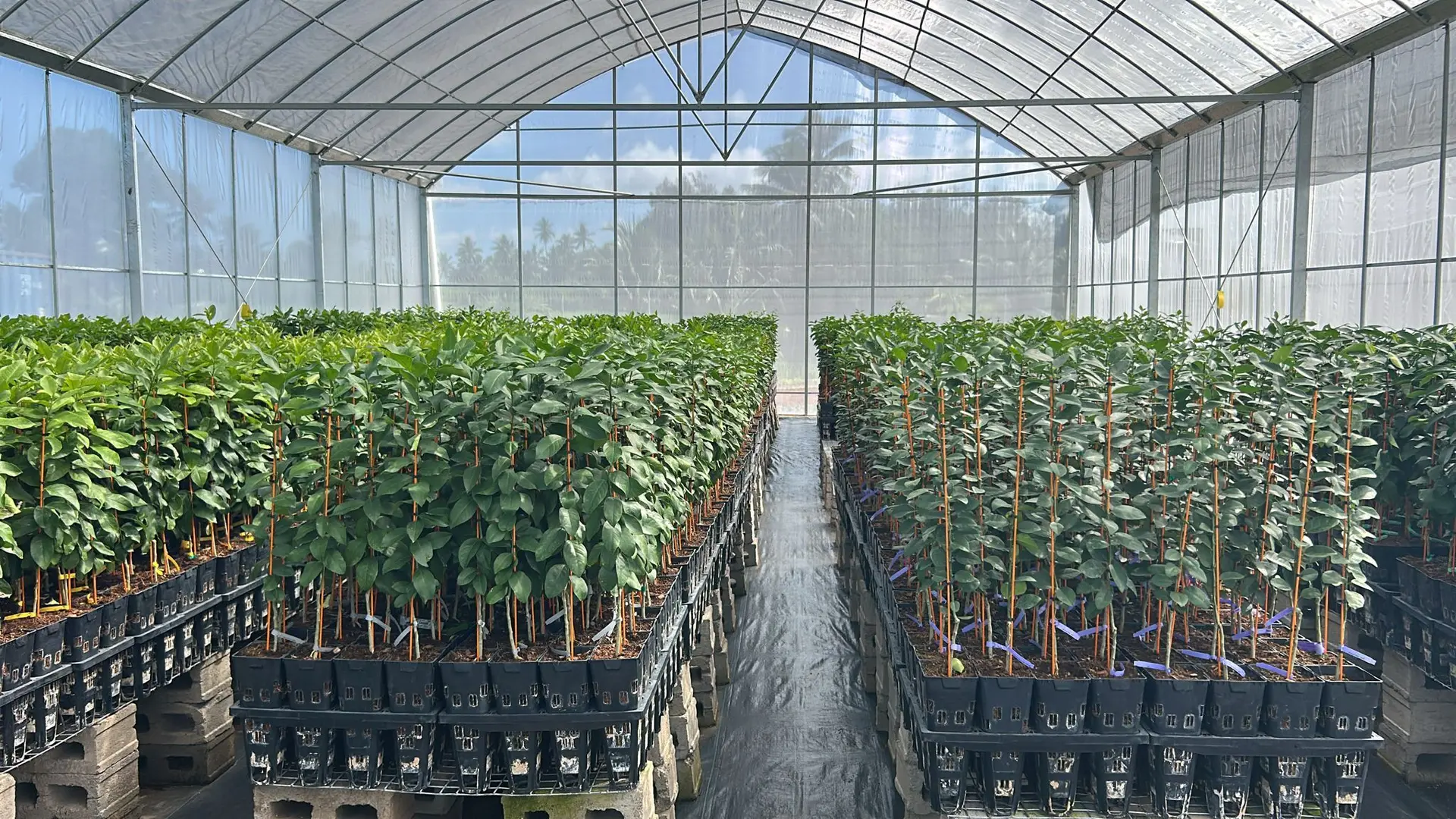
Nearly 7,000 citrus seedlings shipped from California are being grown in a greenhouse facility at Waiqele, Labasa, on January 9, 2026.
Supplied
FIJI Water’s parent company, The Wonderful Company, has taken a major step in expanding Fiji’s agriculture sector, with thousands of citrus seedlings arriving in Waiqele, Vanua Levu, last year.
The pilot project focuses on cultivating Persian and Mexican limes, along with other citrus varieties including Meyer lemons, Allen Eureka and 8A Lisbon. The company says the initiative marks the start of a long-term investment in local agriculture.
Almost 7,000 seedlings, shipped from California, are now being nurtured in a purpose-built greenhouse facility in Waiqele. The facility was designed with technical guidance from an international greenhouse engineer.
Related stories
Farm manager Isireli Waiqalicaki, of Batiri in Seaqaqa, Macuata, said the project would benefit farmers while strengthening the national economy.
“FIJI Water collaborated with the Government to initiate this project in Vanua Levu. Last year, the team carried out extensive soil sampling across the island, and Waiqele proved to have the most suitable conditions,” Mr Waiqalicaki said.
He said the project is currently in the quarantine phase for the first greenhouse, which will last four months. Once completed, land preparation will begin for planting. A second greenhouse will enter quarantine once the next shipment of seedlings arrives.
“I understand resorts use a lot of citrus, and it is expensive to buy locally. Producing citrus here will help boost the economy and reduce costs,” he said.
The initiative is expected to reduce Fiji’s reliance on imported fruit by supplying locally grown limes and lemons for domestic use and export. It is also expected to create opportunities for local farmers by building skills in modern horticultural practices.