Government freezes overseas travel for officials to cut costs
The travel freeze is expected to be reviewed within the next one to three months, depending on how the global situation unfolds.
Thursday 09 April 2026 | 10:00

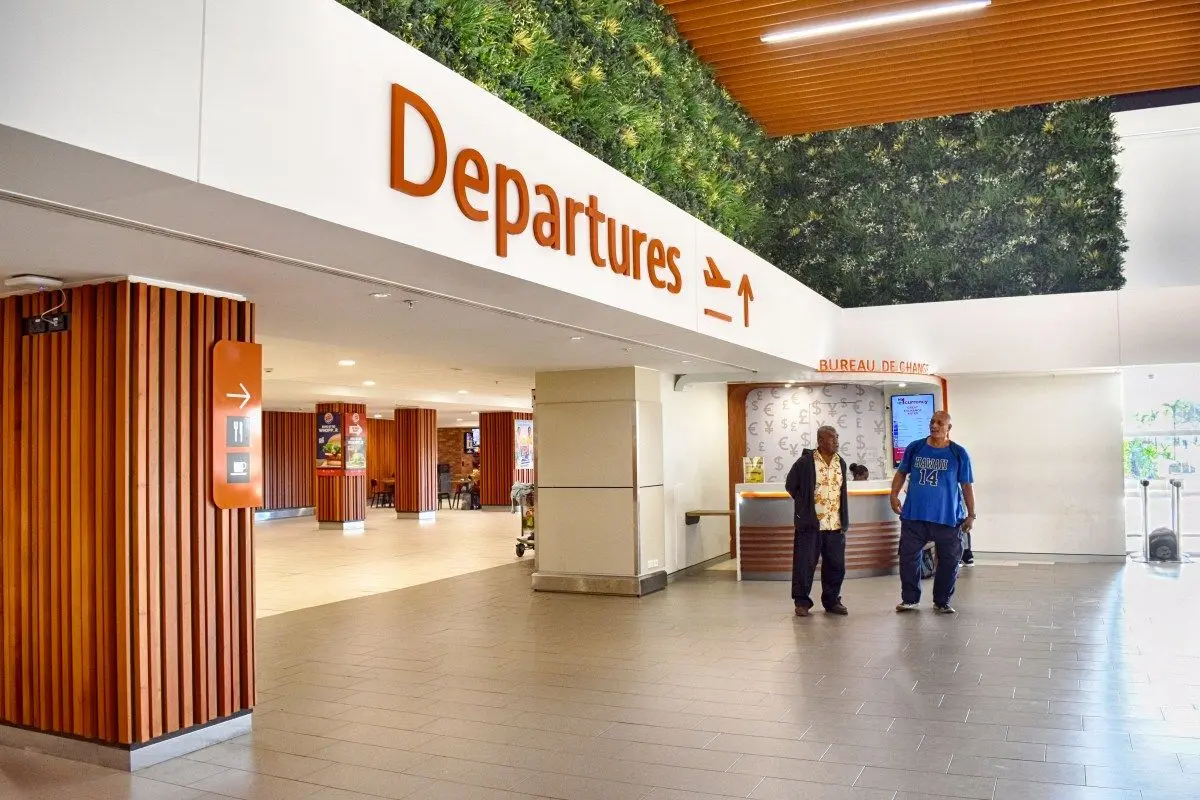
Government is pulling the plug on civil servants, permanent secretaries and ministers overseas travel as costs continue to increase under growing global pressure.
In his national address yesterday, Prime Minister Sitiveni Rabuka said these were necessary steps to reduce costs, prioritise essential spending, and redirect resources.
“This is about discipline, it’s about responsibility, and it’s about leadership at a time when our nation needs it most,” Mr Rabuka said.
Related stories
“Government meetings and trainings are to be conducted virtually where possible.”
Mr Rabuka said he had approved the travel of the Minister for Foreign Affairs and Minister for Social Protection; both visits key in helping Fiji with the current fuel crisis.
Public Service Commission chairman, Luke Rokovada, described the directive as a temporary but necessary move to manage spending at a time when travel and fuel costs are rising sharply.
“It’s just a precaution,” Mr Rokovada said.
“We are looking at the financial implications of everything happening globally.”
The travel freeze is expected to be reviewed within the next one to three months, depending on how the global situation unfolds.
Govt vehicles The use of Government vehicles has also been restricted, with Mr Rabuka urging carpooling across ministries, and walking to nearby meeting venues.
Government vehicles operating after hours require the approval of permanent secretaries or heads of departments and must carry official passes.
This will be monitored by Police and the Land Transport Authority.
“Idle parking is strictly prohibited, and vehicles must be switched off when not in use. Private use or deviation during official hours are strictly prohibited.”
“Transporting civil servants to and from home during official hours is prohibited unless approved overtime is in place.”
Mr Rokovada admitted that rules around official vehicles may need to be tightened again.
Under existing guidelines, Government vehicles are not supposed to be taken home unless necessary, but that practice appears to be slipping. “We need discipline and control,” he said.
\“Most vehicles should be parked at offices after work hours.” The move marks a tightening grip on public spending, as Government looks to rein in costs and respond to pressures coming from beyond Fiji’s borders.