New guidebook aims to end disability discrimination at work
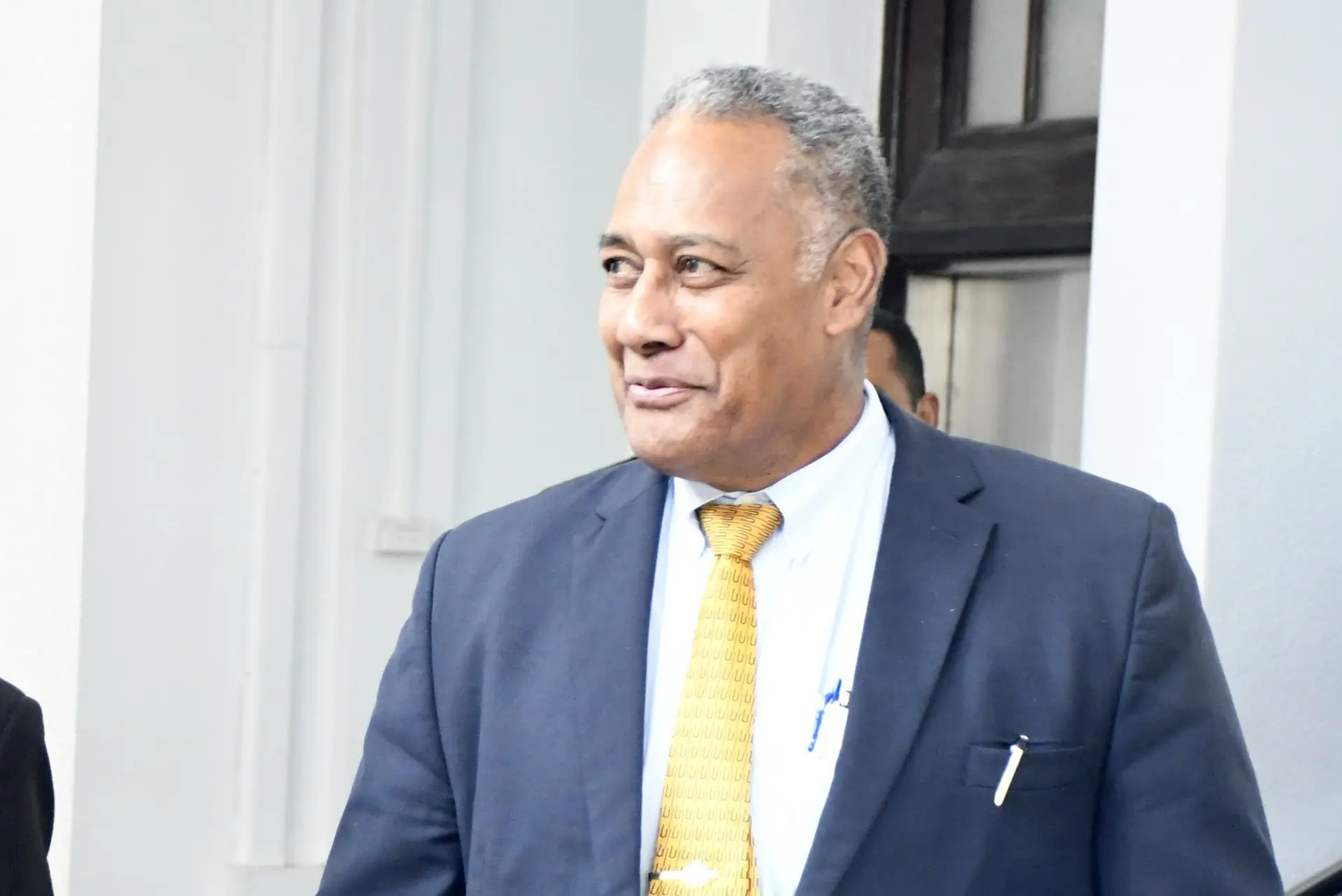
Minister for Employment and Workplace Relations Agni Deo Singh said the guidebook was a practical tool to help employers meet both their legal and moral responsibilities.
Thursday 05 February 2026 | 13:00

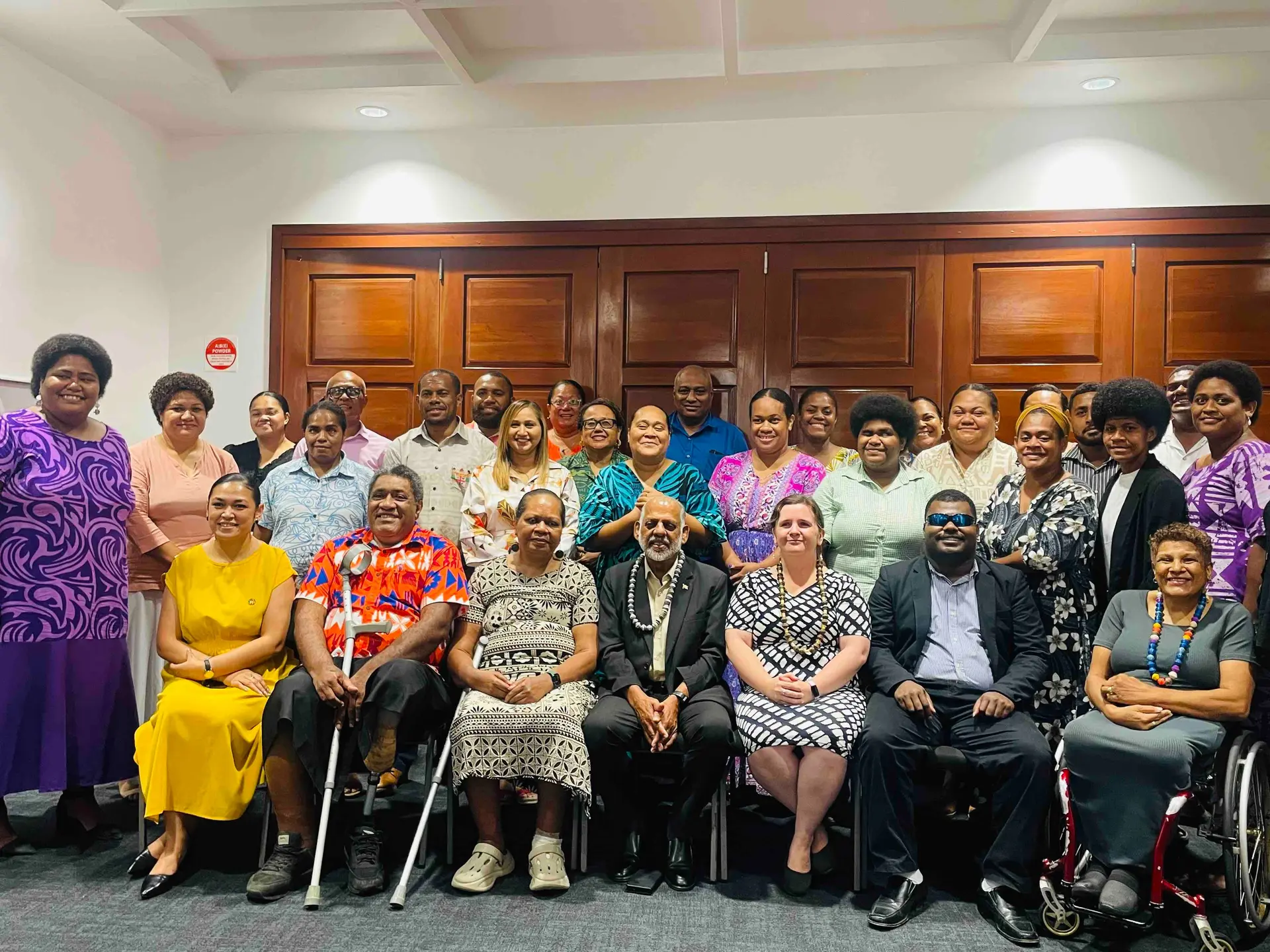
Minister for Employment and Productivity Relations, Agni Deo Singh (sitting fourth from left), with stakeholders on February 4, 2026.
Rariqi Turner
Discrimination against persons with disabilities in the workplace could soon be reduced as the Government moves to strengthen inclusive employment through a new Inclusive Employment Guidebook, now under national consultation.
The consultation, held yesterday in Suva, brought together government ministries, employers from the public and private sectors, workers’ organisations, civil society groups and organisations of persons with disabilities to review and validate the guidebook before it is finalised.
Minister for Employment and Workplace Relations Agni Deo Singh said the guidebook was a practical tool to help employers meet both their legal and moral responsibilities.
Related stories
He reminded employers that Fiji’s laws clearly prohibit discrimination based on disability.
“Under the Employment Relations Act, discrimination on the basis of disability in recruitment, employment, promotion or termination is unlawful. Employers must provide equal opportunity and equal pay for work of equal value,” Mr Singh said.
He added that the Rights of Persons with Disabilities Act 2018 also guarantees the right to work in safe, accessible and inclusive workplaces, supported by reasonable accommodation where needed.
However, Mr Singh stressed that legislation alone was not enough.
“Legislation cannot change practice on the ground. It is our will and commitment that will make the difference,” he said.
The minister said the guidebook provided clear guidance on accessible recruitment, workplace adjustments, building inclusive workplace cultures and ensuring safe working conditions.
“Inclusion cannot be designed for people. It must be shaped with them. When we get it right, everyone benefits — workers, employers and our nation,” he said.
Australian High Commission acting counsellor Tess McSpedden reaffirmed Australia’s support for disability inclusion in Fiji.
She highlighted Australia’s investment in disability equity and rights, including regional funding and direct support to organisations led by persons with disabilities.
“We are proud to support initiatives that put people with disability at the centre of policy and decision-making,” Ms McSpedden said.
She expressed hope that the consultation would strengthen the guidebook and lead to real change.
“We trust that when this guidebook is finalised and launched, it will result in more persons with disability accessing suitable employment and being empowered to contribute to Fiji’s future,” she said.
The Inclusive Employment Guidebook is expected to become a key reference for employers across Fiji, helping ensure inclusive employment becomes standard practice rather than the exception.