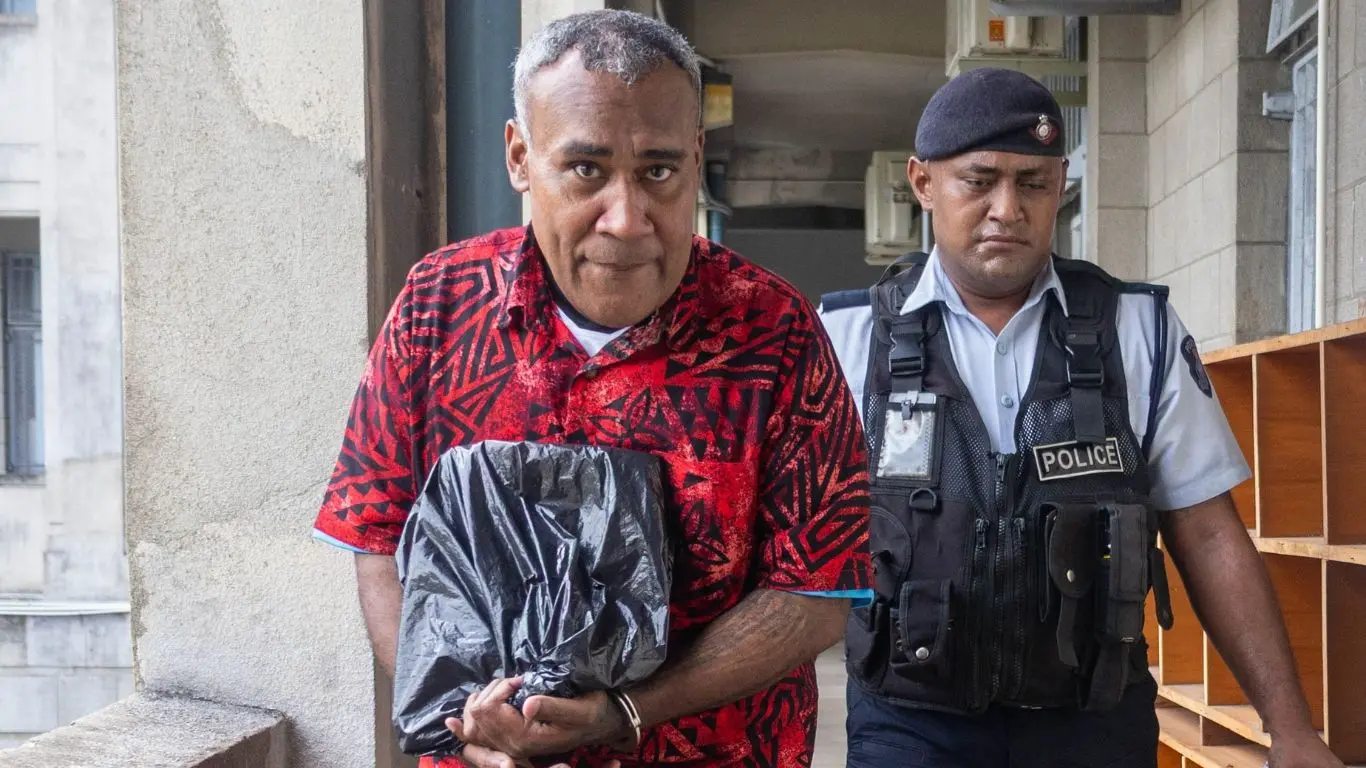
New Police Act grants wider powers to Fiji Police
The legislation gives police new powers while introducing safeguards, including judicial approval for covert surveillance and anonymous public complaints.
Friday 06 November 2026 | 04:30

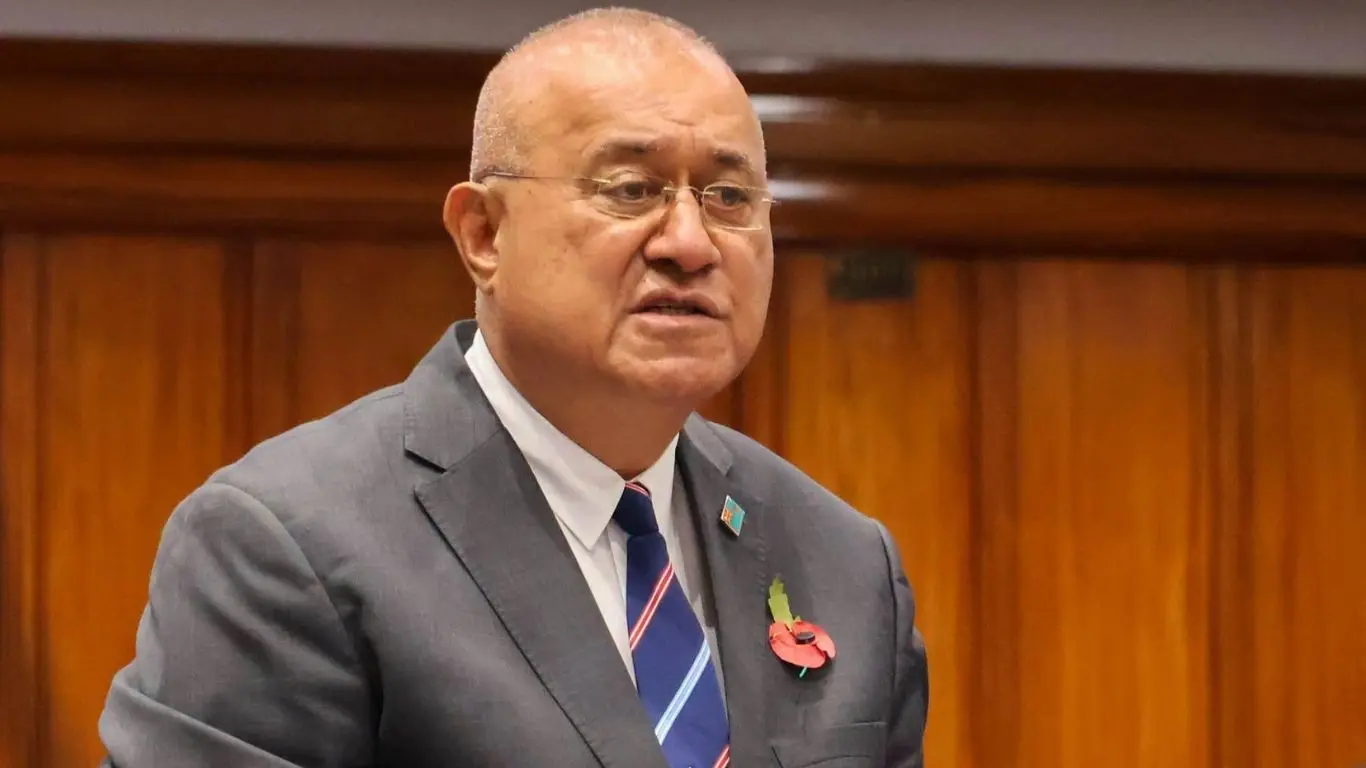
Policing Minister Ioane Naivalurua in Parliament on November 5, 2026.
Photo: Parliament of Fiji
Parliament has passed the Fiji Police Bill 2026, replacing the 1965 Police Act and granting new powers to the Fiji Police Force.
“The nature of crime has fundamentally changed,” Minister for Policing Ioane Naivalurua told Parliament yesterday.
He said the old law was drafted before the emergence of cybercrime and transnational organised crime.
Related stories
Under the new law, police can make arrests without a warrant on reasonable grounds. These include confirming a person's name and address, preventing harm, protecting a child and allowing a prompt investigation.
Police can also obtain court orders requiring people to hand over phone passcodes. Refusing to comply carries a penalty of up to five years in prison.
Prime Minister Sitiveni Rabuka said: “We support strong policing, but not policing without accountability.”
Opposition Leader Inia Seruiratu backed the new Act but raised reservations, saying: “Public safety and civil liberty advance together, not at each other’s expense.”
Opposition MP Virendra Lal said he did not fully support the new Act.
“The real test is how it protects the innocent,” he said.
The new law requires an independent forensic agency to be established within three years, allowing Parliament to consider amendments in the future.
The law will come into effect on a date to be announced by the Minister for Policing in the Gazette.
Under the new law:
- High Court judges must approve covert surveillance and tracking warrants.
- Courts can prevent people under investigation from leaving Fiji.
- Police staff can be drug-tested.
- Anyone can lodge anonymous complaints, and the Commissioner must respond within 30 days.
- People who are drunk can be held in a cell for up to 12 hours, with detention extendable by a further 12 hours.
- Police must establish community policing committees.