Resource owners urged to protect Fiji’s natural resources
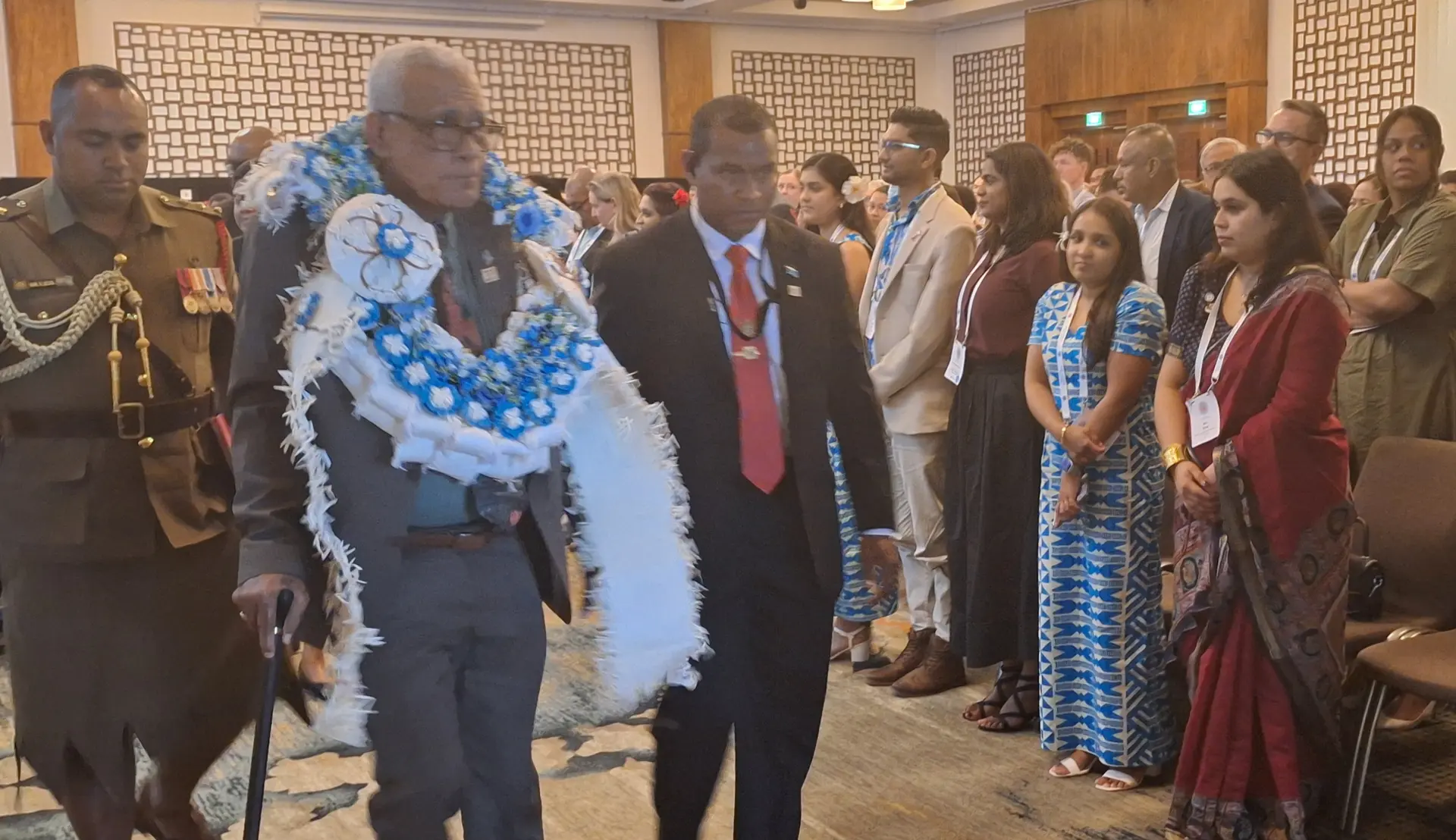
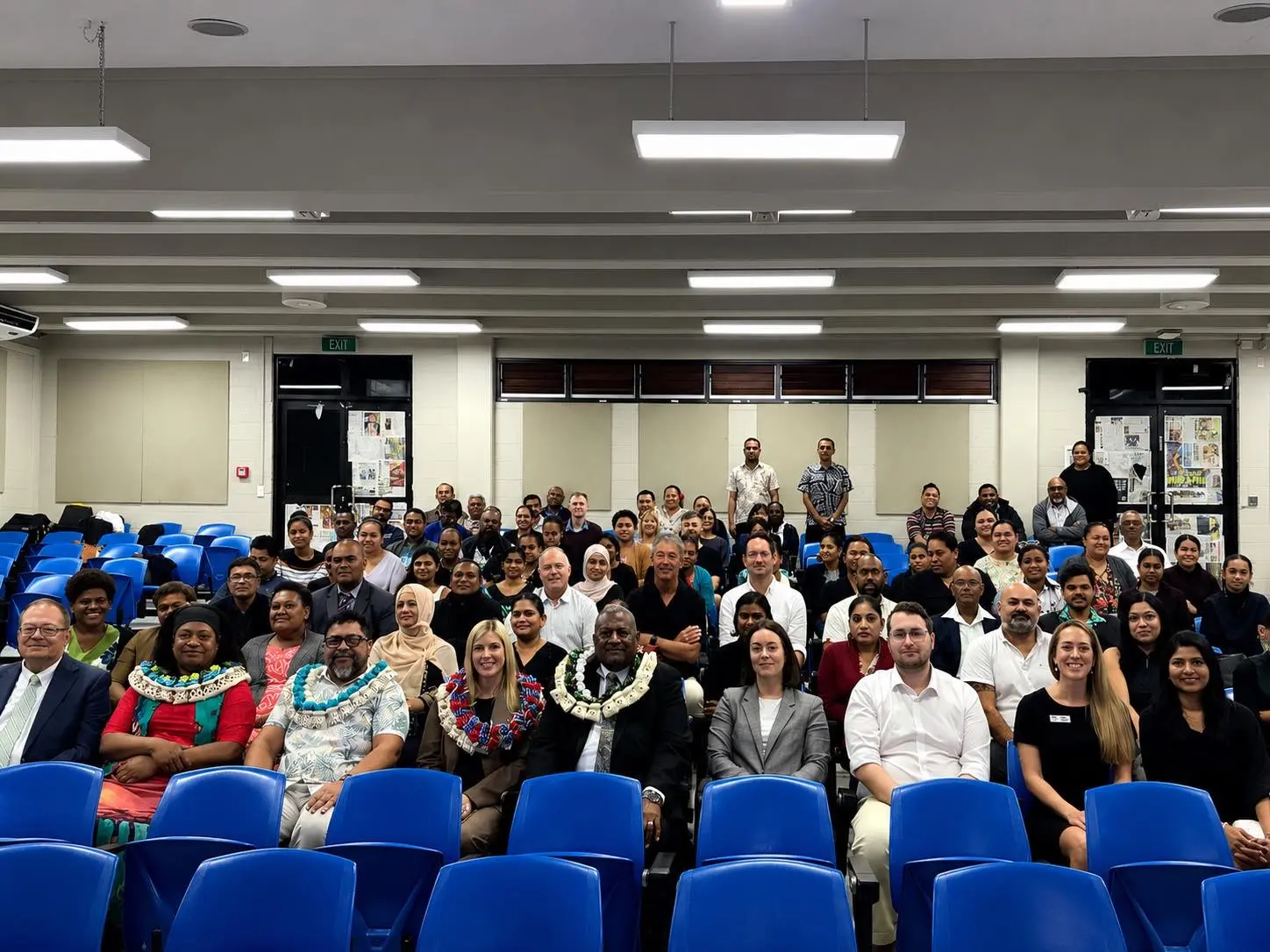
The meeting brought together resource owners from Fiji’s 14 provinces and Rotuma, along with government agencies, Provincial Conservation Officers and other key stakeholders.
Monday 16 March 2026 | 09:30

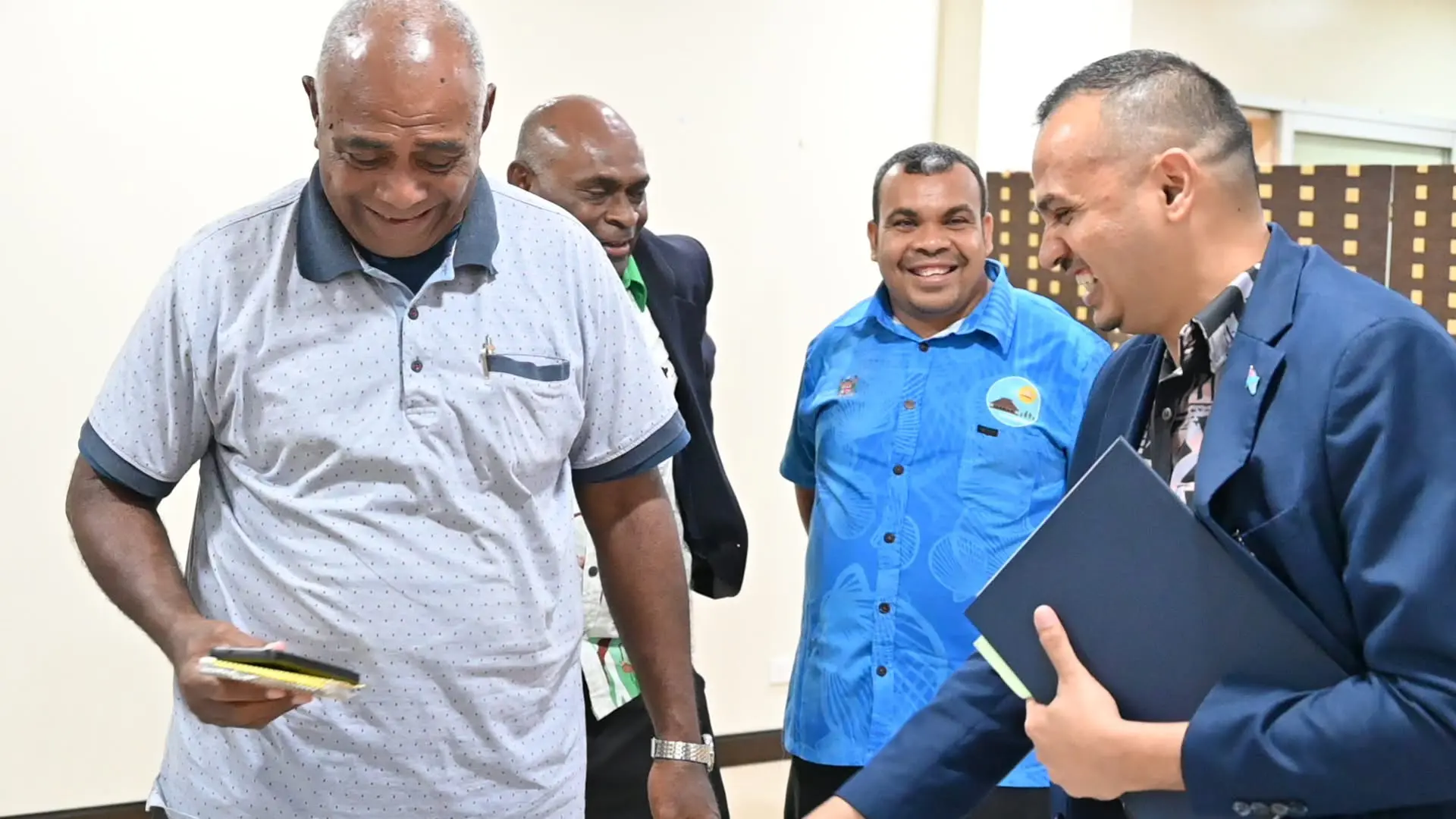
Permanent secretary for Environment Dr Sivendra Micheal meets resource owners in Nadi.
Ministry of Environment and Climate Change
Resource owners across Fiji have been urged to strengthen their stewardship of the country’s natural environment as development pressures continue to grow.
Permanent Secretary for Environment and Climate Change, Dr Sivendra Michael, made the call while officially opening the National Resource Owners Committee (NROC) Meeting in Nadi yesterday.
“Protecting Fiji’s natural environment cannot be achieved by the Government alone. Laws and regulations are important, but they are only effective when they are supported by responsible stewardship at the community level,” Dr Michael said.
Related stories
The meeting brought together resource owners from Fiji’s 14 provinces and Rotuma, along with government agencies, Provincial Conservation Officers and other key stakeholders.
Dr Michael said the forum provided an important platform for resource owners to engage with government agencies, technical experts and development partners to better understand the policies, regulations and environmental considerations that affect their land and resources.
“This forum is an important space where those who hold responsibility for Fiji’s natural resources can discuss how these resources are protected and managed for the benefit of future generations,” he said.
He noted that in Fiji, forests, rivers, coastal ecosystems and much of the country’s biodiversity are closely linked to customary land ownership and community stewardship.
“This places resource owners at the centre of environmental decision-making,” Dr Michael said.
However, he warned that increasing economic development was placing growing pressure on natural resources.
“The pace of development is accelerating, and communities are often approached with proposals that promise immediate economic benefits. These opportunities must be carefully considered, because the long-term consequences of environmental degradation are often far greater than the short-term gains that may appear attractive at first,” he said.
Dr Michael said for generations, Fijians understood that the vanua carried responsibilities as well as benefits, and that decisions about land and natural resources must consider the wellbeing of future generations.
“The Government may develop laws, policies and national strategies, but the effectiveness of those frameworks depends on what happens on the ground. It depends on how decisions are made within communities, how landowners respond to development proposals, and how the vanua chooses to balance opportunity with responsibility,” he said.
The National Resource Owners Committee was established under the Environment Management Act 2005 and serves as a platform for resource owners to ask questions, seek information and strengthen their ability to make informed decisions regarding their land and resources.
Dr Michael said Fiji’s natural environment remained one of the country’s most valuable national assets.
“Our forests protect watersheds and rivers, our coastal ecosystems sustain fisheries and protect communities from storms, and our biodiversity supports tourism and livelihoods. Protecting these natural systems is not only an environmental priority but also a national development priority.
“By working together, we can strengthen the stewardship of Fiji’s natural resources and ensure that our forests, rivers, reefs and biodiversity continue to sustain our people for generations to come,” he said.