‘The trauma still lives on’: Former principal testifies at TRC
Former politician and educator Dewan Chand has told the Fiji Truth and Reconciliation Commission of threats, displacement and long‑term trauma experienced during the coups of 1987, 2000 and 2006.
Monday 20 April 2026 | 15:30
Updated 20 April 2026 | 17:14 FJT
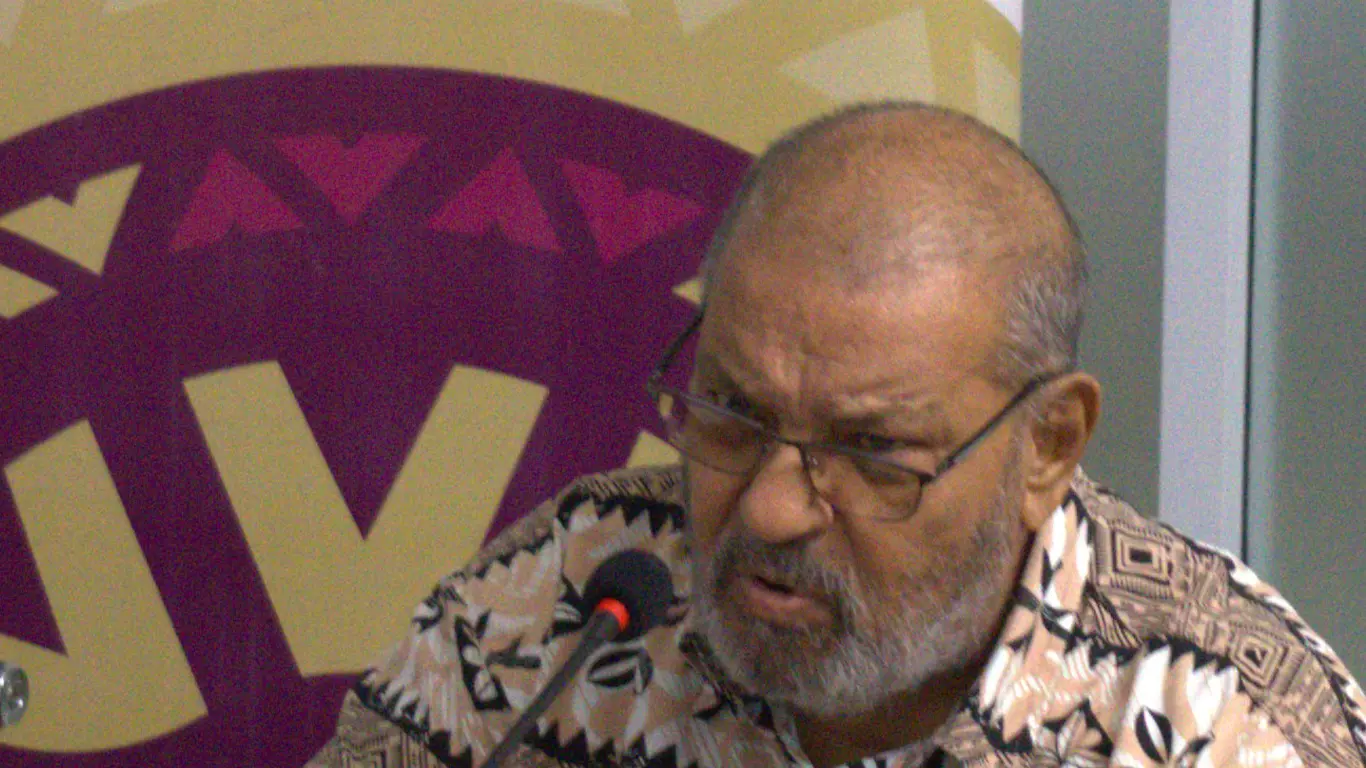
A former politician who says he was threatened and displaced during Fiji’s 1987 coup has shared his experiences of the coups of 1987, 2000 and 2006, and the lasting trauma they left behind.
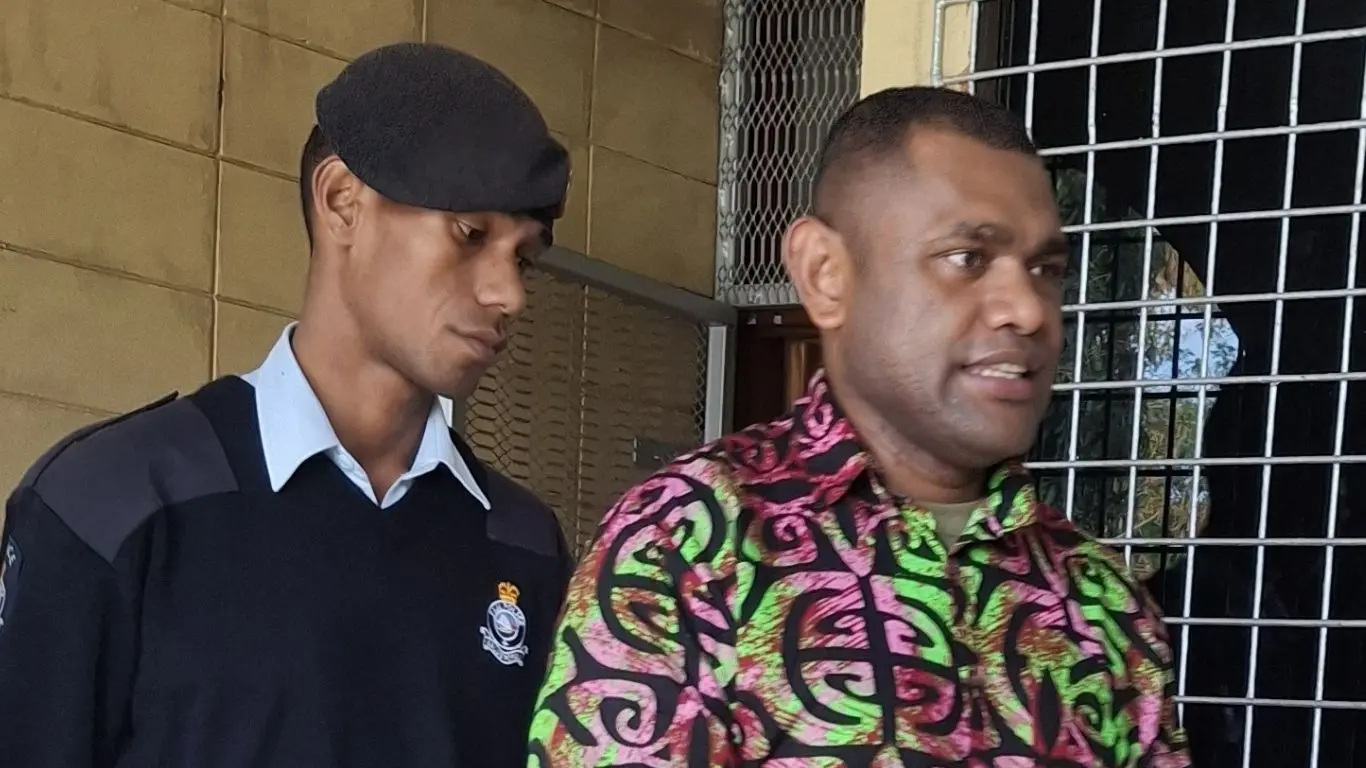
Appearing before the Fiji Truth and Reconciliation Commission, Dewan Chand spoke of the challenges his family faced during the political upheavals beginning in 1987.
Mr Chand’s testimony detailed human rights violations and abuses, including ethnic, religious and cultural discrimination, and painted a vivid picture of fear, displacement and long‑term socioeconomic consequences.
Related stories
“As a Hindu I took oath on the holy Bhagavad Gita. I swore to speak the truth and nothing but the truth,” he said.
He recounted events he experienced during the 1987 coup while serving as principal of Ba Provincial Secondary School in Lautoka.
“In 1987, I was the principal of Ba Provincial Secondary School in Tavakubu, Lautoka. In the chaos, three armed soldiers came to my principal’s residence and ordered that I vacate the premises within 24 hours or face the consequences,” he said.
“My family and I were terrified, and the trauma still lives on. I sought help from villagers and found shelter at my house on Vomo Street. I thought I had lost my job and that no one was listening.
“Finally, Kuini from the Lautoka Education Office came to my rescue by posting me to Drasa Secondary School. During the coup chaos, I survived there for three years and was subsequently promoted to principal of Bhawani Dayal High School in Nakasi, now Bhawani Dayal Arya College.”
Despite these experiences, Mr Chand reflected on shared responsibility and the human dimension of reconciliation.
He shared that current Prime Minister Sitiveni Rabuka and his family had been good neighbours to his family in Namadi Heights.
Mr Chand said that while Mr Rabuka’s public image was often associated with the 1987 coup, living as neighbours revealed a different side of him.
Contributing to the national dialogue, Mr Chand outlined several recommendations for healing and reconciliation. These included making iTaukei and Hindi compulsory in primary schools, strengthening the teaching of religious and family values, and encouraging greater interracial understanding, including through marriage.
He also emphasised the need for inclusivity within national institutions, particularly the military, and highlighted the importance of discipline through cadet training in schools.
Mr Chand encouraged more survivors and witnesses to come forward and share their experiences with the Commission, describing the process as a vital step towards national healing.