Tighten rules for religious bodies, committee told
Submitters seek stronger governance and accountability measures for churches and faith organisations.
Tuesday 27 October 2026 | 09:00
Updated 27 October 2026 | 10:01 FJT

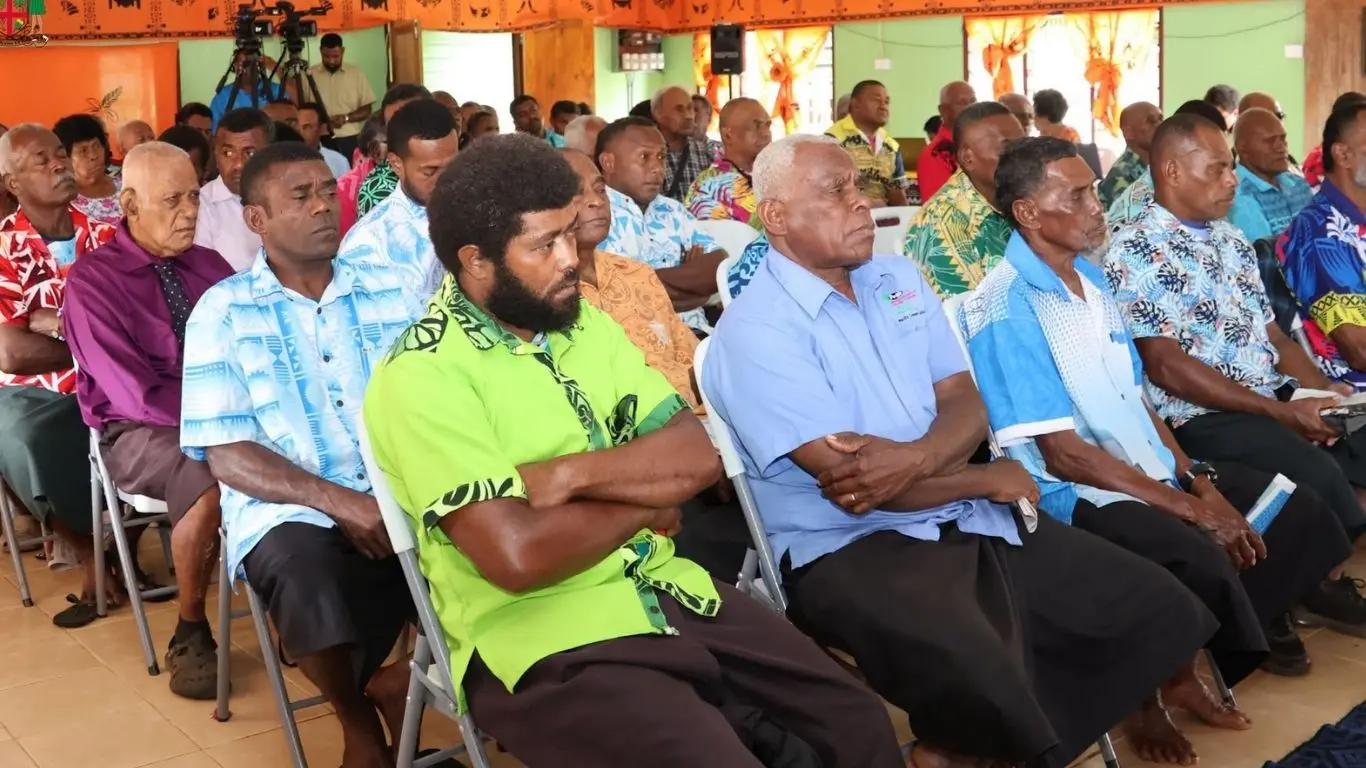
Villagers attend the public consultation on the Constitution (Amendment) Bill 2026, at Kilaka Village Hall in Bua on October 26, 2026.
Photo: DEPTFO News
Calls to limit the number of religious organisations in Fiji have been raised during consultations on the Constitution (Amendment) Bill 2026, as people share their views on whether Fiji should be a Christian or secular state.
Concerns have centred on divisions within villages and financial accountability, with submissions calling for tighter registration requirements and stronger rules for religious organisations.
Religious organisations and denominations can influence decision-making in villages, prompting calls for greater oversight.
Related stories
Current policies allow individuals to register religious organisations within two months by submitting a few certified documents and paying a $2.30 registration fee.
Statistics on the Ministry of Justice website indicate that Fiji has close to 900 religious organisations, with 52 per cent registered as Christian denominations.
Taniela Colomoto, of Nadaro in Vugalei, Tailevu told the Special Committee on the Constitution (Amendment) Bill 2026 in Korovou that different religious beliefs were affecting decision-making in villages.
“There’s a lot of religions; this affects how decision-making process is happening in the village because they amplify their different beliefs,” he said.
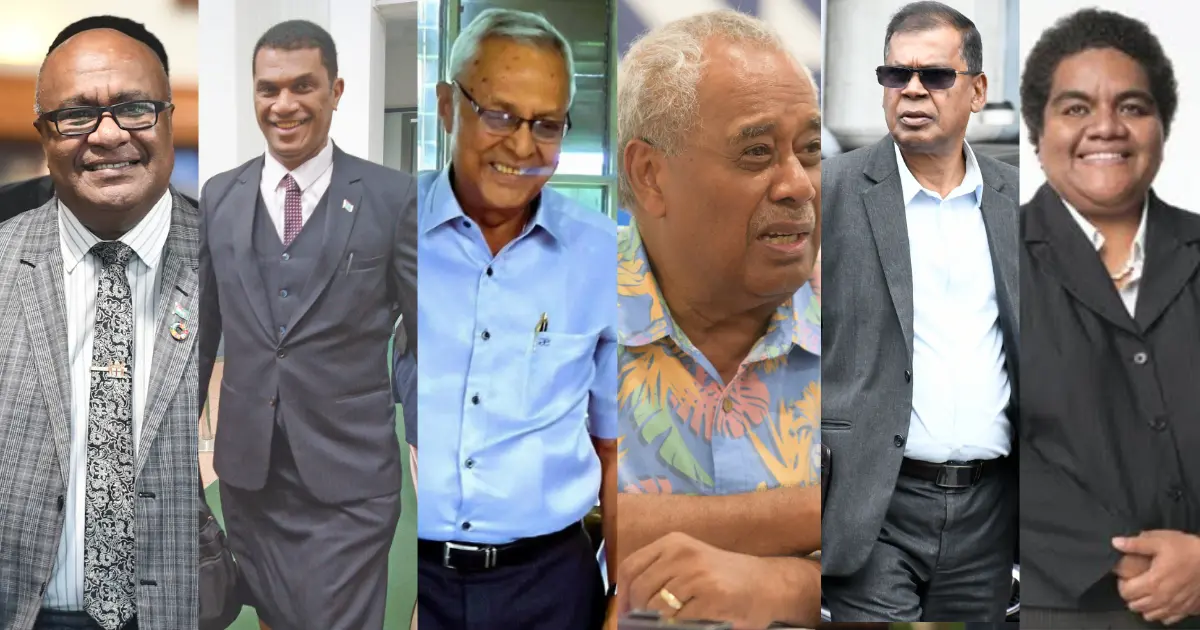
Yesterday in Bua, Apostles Fellowship International president and Assistant Minister for Health Penioni Ravunawa proposed that all religious organisations, including new churches, ministries and faith groups, be registered to improve transparency and financial accountability.
Mr Ravunawa said registration should require good governance, financial reporting, a public register and safeguards to protect children and vulnerable members.
“There should be an independent appeals process to ensure registration decisions were fair across all faiths,” he said.
He warned that religious or traditional status should not be used to conceal private commercial benefits or avoid legally required taxes.
Mr Ravunawa supported declaring Fiji a Christian state, arguing that Christianity had contributed to education and the development of the people through its values.
“Sunday should be a Sabbath day for Christian worship, church activities and rest.”
Former Prime Minister Mahendra Chaudhry said religion and the State must remain separate to protect Fiji’s multiracial society.
“I have no problems with Christian values. I think they are good values. But I believe that religion and State must be kept apart,” he said.
He questioned why Christianity needed special constitutional recognition when people were already free to practise their own religions.
“I’m a Hindu and my wife is a Christian, yet we have no problems practising our different faiths.”
Public consultations continues today, at Somosomo Village Hall, Taveuni, from 12pm to 1pm.
Members of the public in Taveuni are encouraged to attend, ask questions, raise concerns and share their views on the proposed amendments.
Feedback: rariqi.turner@fijisun.com.fj