Vunato Dump Site: Ticking Time Bomb Threatening Health and Environment
“Our port of entry is very close to the Vunato Dump too, where there is a fire and a tourist ship calls in, there is a very big problem. The last time last year the media covered the smoke all over the town and how bad it was.
Sunday 14 April 2024 | 17:06

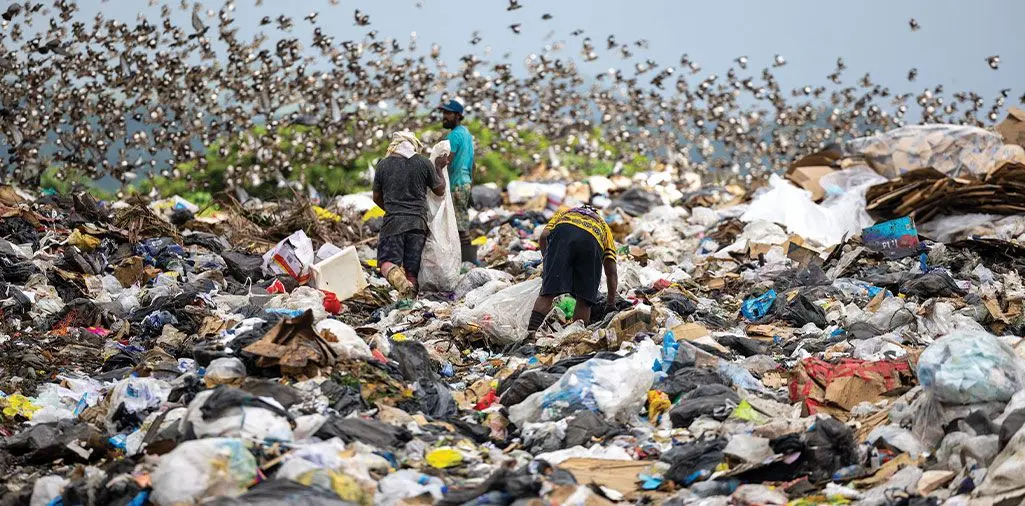
Visitors to the Vunato Rubbish Dump also make their contribution by separating rubbish. PHOTO: Sereana Salalo
A five-to-seven-minute drive outside of Lautoka’s central business district, one would find the Vunato Rubbish Dump - a grim testament to the challenges of waste management in Fiji.
What was once a small landfill in the midst of the country’s second city has now ballooned into a ‘50-acre’ of extensive expanse of trash.
The journey to Vunato Dump is a distressing one, marked by an over-powering odour that assaults the senses long before the site comes into view.
Related stories
As one approaches, the magnitude of the problem becomes painfully apparent: mountains of refuse stretch as far as the eye can see.
But beyond the nauseating stench and unsightly heaps lies a deeper, more insidious threat.
The toxic reach of the dump situated by the ocean, extends far beyond its physical boundaries, seeping into the soil and waterways, contaminating the very lifeblood of the surrounding ecosystem.
Part of the dumpsite sits on the mangrove swamp of the harbour.
Once a year the dumpsite catches fire, that is the trend according to local residents.
When this happens, the toxic smoke covers Lautoka city, transmitting into residential areas, schools and even the main Lautoka hospital.
For the residents of the Vunato settlement, an informal settlement where close to 500 residents reside, the stench of the Vunato Dump is a norm.
Children play in its shadow, unaware of the dangers lurking beneath their feet, while families struggle to live in its polluted vicinity.
For the business communities and nearby households, the dump is a daily reminder of the hazardous balance between progress and environmental stewardship.
For the Lautoka Ratepayers Association, the dump needs to be relocated.
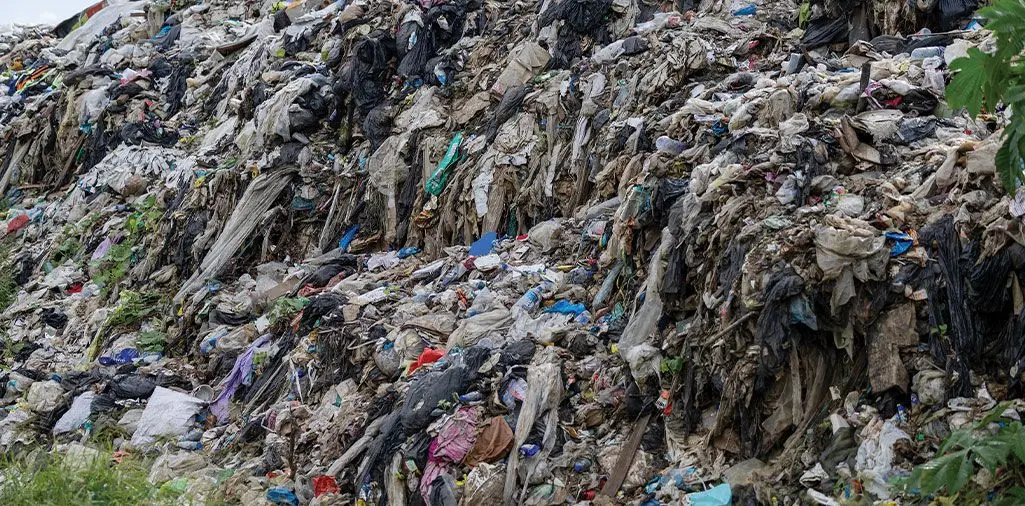
Vunato Rubbish Dump. PHOTO: Sereana Salalo
“Council is equally concerned of the Public health and has always done its very best to control any fires at the earliest and we would normally request assistance from other stakeholders in combating this upheaval together.
“We would advise the residents in an event of a fire to take necessary precautions, especially those that are sick and have respiratory issues to keep their homes well ventilated. Change in wind direction may push the smoke towards residential areas.”
He said it was rather unfortunate that inconsiderate behaviour of some individuals were causing discomfort and health hazard to the residents.
“It also causes undue frustration to the Council and its workers, who have to leave their usual jobs to fight the fire and clear the smoke, working overnight and in weekends as well.
“Council incurs unprecedented costs in extinguishing the fire with limited human resources, plants and machineries.
“Whilst some takes weeks to fully doze off, if arson continues the time taken is 4-5 weeks to control.”
He said the cost of trying to put out a fire which includes plants, machinery, human resources, fuel, and water pumps was around $10,000 to $12, 000 a week in cost.
“The water pumps and the hoses are damaged easily due to its long hour usage and durability. Council sustains fire through its operational budget.
MINISTRY OF HEALTH
Responding to queries of this newspaper, the Ministry of Health stated that it has to be noted that the Vunato dump was not a fully engineered designed land fill to meet the required standard.
Recommendations by the ministry to improve this service are;
1. Lautoka City Council to work in partnership with Government and other agencies to find a suitable landfill site similar to what was done in shifting Lami rubbish dump to Nabaro Landfill. The current site to be closed down and relocate to another suitable site
2. Engage relevant stakeholders to identify new sites and carry out relevant Health, Social and Environment Impact assessment and recommendation.
3. Engage consultant to prepare appropriate landfill design ad following best practices (eg. Fukuoka Landfill method, Japan)
4. Prepare and operate a properly designed landfill
5. Strengthening the Councils 3R (Reduce, Reuse, Recycle) programme
6. Continuous Environmental monitoring to gauge the success of the new landfill operation.
As the battle for environmental justice rages on, the fate of the Vunato Dump hangs in the balance.
Would it continue to be a blight on the landscape, a symbol of society’s disregard for the planet? Or would it be transformed into a beacon of resilience and redemption, a testament to the power of community action in the fight against environmental degradation?
The answer lies not just in the hands of policymakers and politicians, but in the hearts and minds of every individual who refuses to turn a blind eye to the looming crisis at their doorstep.
Feedback: inoke.rabonu@fijisun.com.fj