Warning against political council dissolutions
Draft bill limits minister’s authority to dissolve councils
Tuesday 05 May 2026 | 11:30
Updated 05 May 2026 | 13:06 FJT

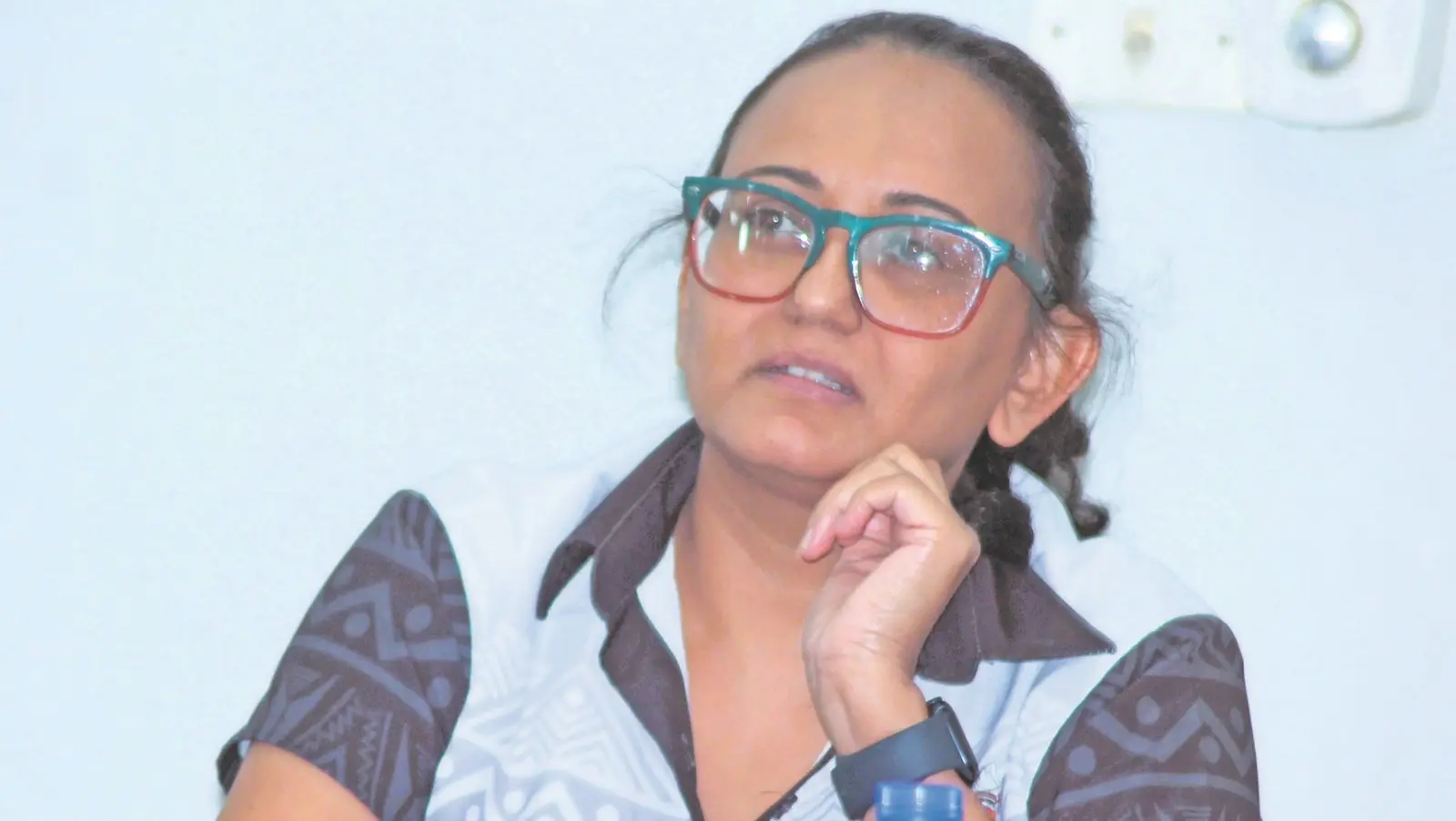
Dissolving an elected municipal council must be based on genuine grounds and not political influence, a senior official has warned.
Ministry for Local Government permanent secretary, Seema Sharma, said any decision by a line minister to dissolve a council must be justified and open to scrutiny.
She made the remarks during public consultations in Labasa on proposed reforms to the Local Government Act 1972.
Related stories
Ms Sharma said the draft bill, now open for consultation, introduced safeguards to prevent arbitrary decisions.
If a council is dissolved, the move can be challenged in the High Court or referred to the Office of the Prime Minister for review and recommendation by Prime Minister Sitiveni Rabuka.
She stressed that due process must be followed to avoid disruptions to local governance, particularly with municipal elections scheduled for September.
Under the proposed changes, the minister would retain limited powers to intervene in cases where a mayor resigns, or a council is deemed ineffective.
In such instances, an independent manager could be appointed to investigate and oversee operations.
Ms Sharma said the role of mayor would also be strengthened, with powers to appoint a deputy mayor and establish committees to better address service delivery and community welfare.
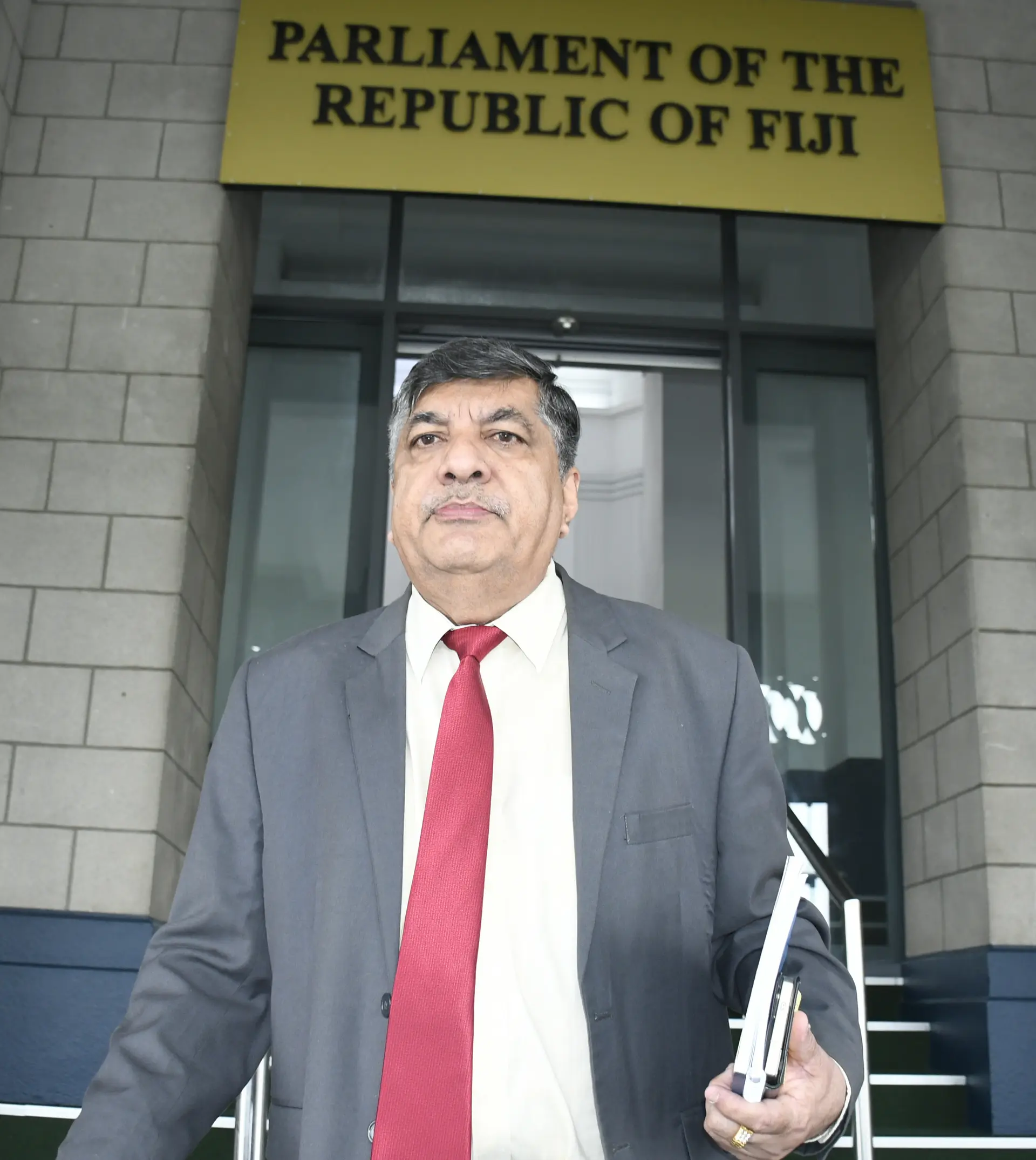
Labasa Town Council special administrator Paul Jaduram welcomed the proposals, saying they promoted good governance and would support the sustainability of future councils.
He noted the removal of the special administrator system ahead of the return to elected councils.
Labasa Chamber of Commerce and Industries president Vinesh Dayal supported the reforms but criticised poor communication, saying stakeholders had limited time to review the draft bill before consultations.
He said the amendments appeared to strengthen accountability and fairness in decision-making affecting town development but noted that limited access to the draft had constrained meaningful feedback.