Editorial: Rights continue to be denied daily
Children forced from home expose a system that explains failure but cannot fix it.
Wednesday 15 April 2026 | 11:30
Updated 15 April 2026 | 13:26 FJT


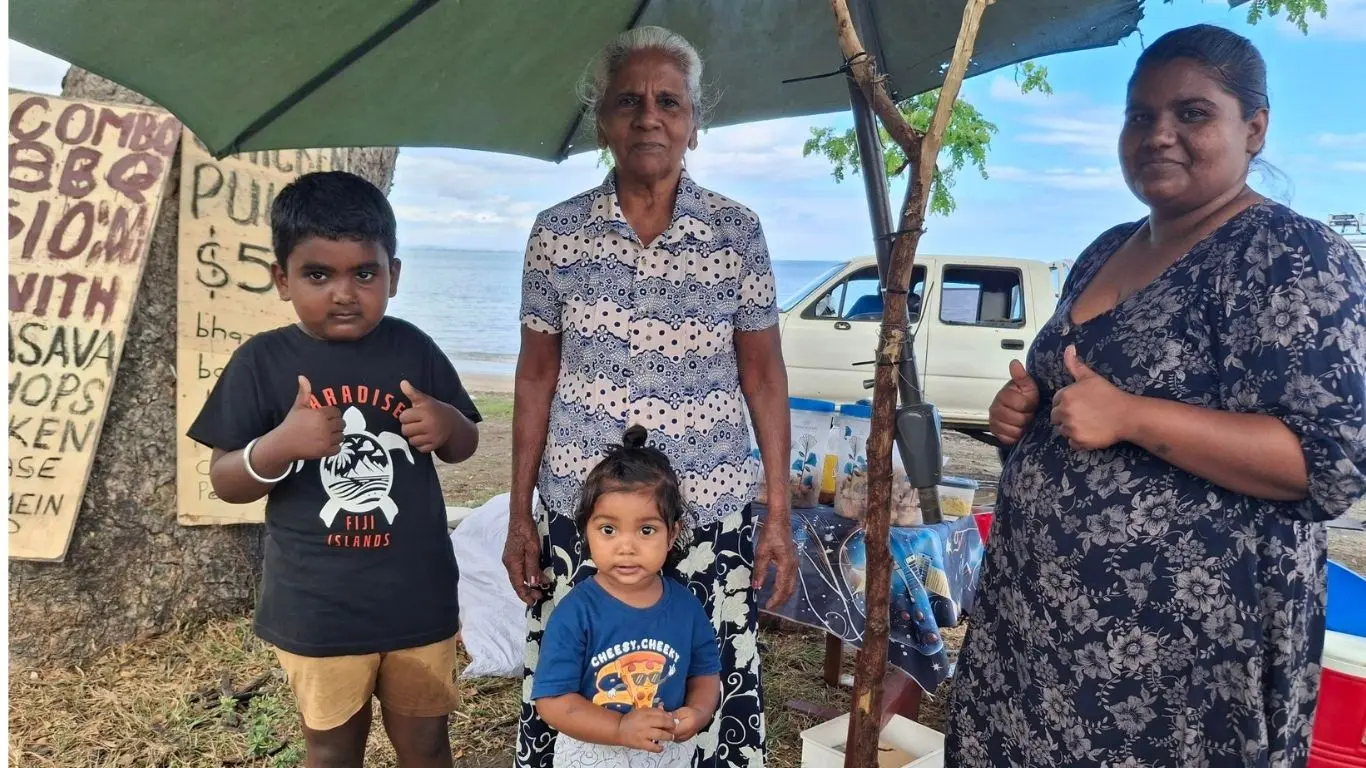
Children as young as five years old are being sent away from home just to attend school; some crossing seas, others travelling long distances from remote villages where early childhood education simply does not exist.
What should be a basic start to life is instead an early separation, driven not by choice but by necessity.
That is not just an education gap. It is a national failure.
Related stories
Fiji’s Constitution guarantees the right to education. Yet, as education officials themselves admit, that right does not translate into real access for many rural and maritime communities.
In places like Bua, Macuata, Yasawa, and other isolated areas in the country, parents are left with no option but to send their children away because there are no nearby facilities.
Infant schools have been introduced in some areas, but these remain policy responses; not guaranteed protections.
A right that cannot be accessed is no right at all.
The cracks run deeper. There is also a shortage of trained teachers for children with special needs, leaving mainstream educators unequipped to provide inclusive learning.
The system is not only struggling to reach children; it is struggling to support those already inside it.
And yet, the response continues to lean on explanations.
But an explanation does not send a child to school.
This failure is not confined to education. Reports from remote parts of the country have also highlighted frontline health workers, including a public health nurse who reportedly travels through difficult terrain on horseback to reach patients, without any transport allocation.
It is a stark reminder that in some communities, even basic healthcare delivery depends on extraordinary personal effort rather than reliable State infrastructure.
When essential services rely on endurance instead of systems, governance itself comes into question.
This is where the public must demand answers. If the State can swiftly find funds for ceremonial priorities, including the funeral of high-ranking national figures, it must explain why it takes them years to invest in the basics: proper roads, better hospitals and health clinics, reliable transport routes, and high bridges that would allow students and teachers to reach schools safely.
If money can be mobilised quickly when it matters, why is access to education treated as optional?
At the same time, vast public funds continue to be directed towards commissions of inquiry; many probing failures that point back to weak governance and poor oversight.
These are costs that could have been avoided had accountability been prioritised from the outset.
With the Government’s four-year term nearing its end, the record is increasingly defined by allegations, inquiries, court proceedings, terminations and cabinet reshuffles.
Meanwhile, critical gaps in service delivery remain unresolved.
This is no longer about identifying the problem. It is about fixing it.
Because every day this continues, more children are forced to leave home for something that should have been within reach all along.