Opinion | A World held hostage: War, oil, and global system paralysis
Sunday 05 April 2026 | 14:30
For households, it will mean rising prices, tighter budgets and harder choices.
The world keeps calling this an oil shock. It is not.
A month after the United States and Israel launched Operation Epic Fury on February 28, 2026, the Strait of Hormuz—a narrow maritime corridor—has become the fulcrum on which the global economy teeters.
What began as a 48-hour containment window announced by President Donald Trump has stretched into a month-long disruption that no reserve release, emergency G7 summit or diplomatic ultimatum has been able to resolve.
Related stories
You can release strategic reserves. You can threaten to bomb Iranian power plants. But you cannot negotiate with physics.
About 20 per cent of the world’s oil supply, 18 per cent of its liquefied natural gas, and nearly 2,000 vessels are caught in a chokepoint the width of a city street.
What the world is watching on BBC and Al Jazeera each night is not simply a war about oil. It is a crisis that has exposed how fragile the global system is.
A system without slack
For three decades, policymakers believed energy shocks could be absorbed through rerouting, financial hedging and strategic reserves.
That assumption has collapsed.
Brent crude trading above USD110.81 (FJ$249.74) per barrel on March 28, 2026—up more than 47 per cent from pre-war levels, with a high of USD119.50 (FJ$269.33)—is not the real story.
The real story is that the world has run out of detours.
Nearly 2,000 vessels are stranded on both sides of the chokepoint. Storage tanks in the Gulf are full because ships cannot load or move.
The global energy artery has not slowed. It has seized.
The chokepoint and its limits
The Strait of Hormuz is 33 kilometres wide at its narrowest navigable point. It has no true alternative.
The Dolphin Pipeline, the only overland bypass, carries a maximum of two billion cubic feet of gas per day and is already at capacity.
Rerouting via the Cape of Good Hope adds 10 to 15 days to voyages and significantly increases fuel and freight costs.
The International Energy Agency has described this as the largest supply disruption in recorded oil market history.
When flows collapse from 20 million barrels a day to a trickle, the issue is not price volatility—it is absence.
And absence cannot be hedged or subsidised.
Global shock, local impact
Oil is not just fuel. It is embedded in nearly everything—food packaging, fertiliser, clothing, pharmaceuticals and transport.
When prices rise, the cost of producing and shipping goods rises in waves—factory, warehouse, retailer, then the shelf.
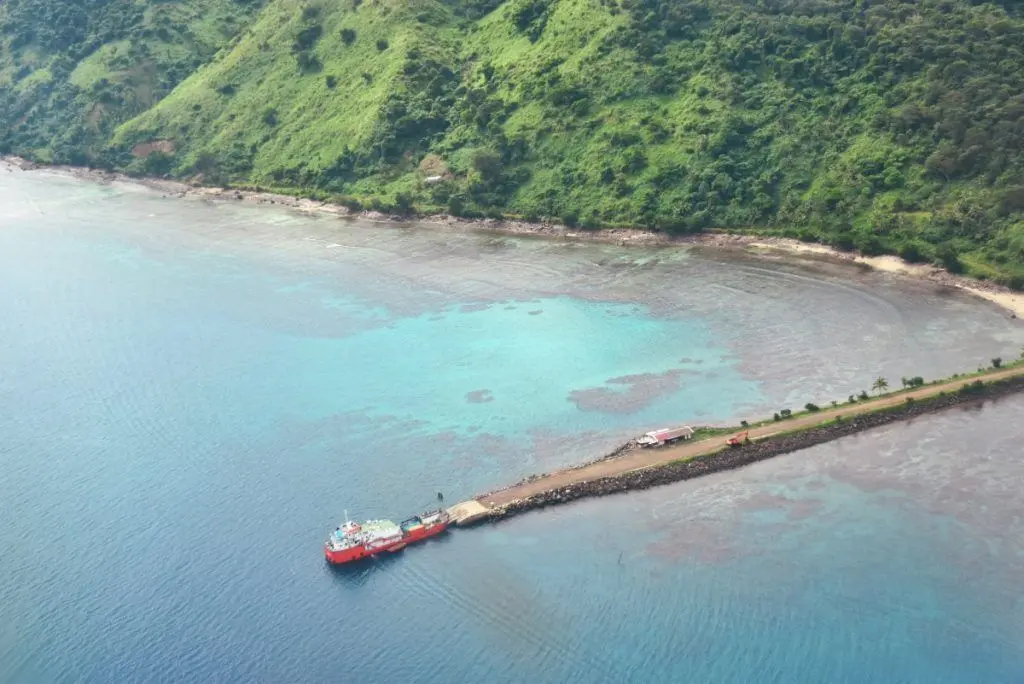
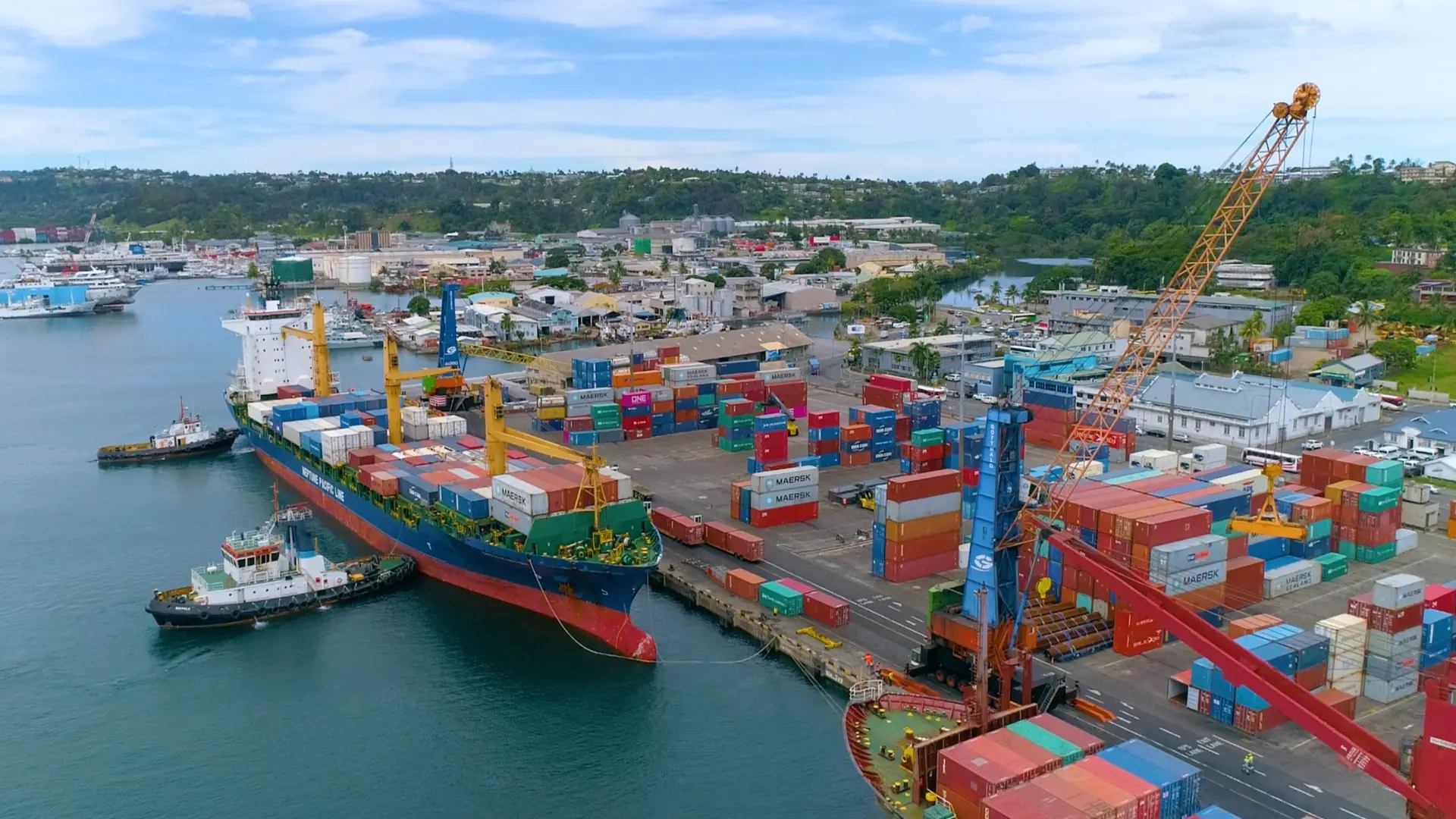
For Fiji, which imports all its fuel, the impact is direct.
Higher global prices mean higher domestic costs, even if delayed by pricing controls.
Fertiliser supply is also under pressure, with around one-third of global trade passing through the strait.
Any disruption risks higher food prices in the months ahead.
Fiji exposed
Fiji sits at the far end of global supply chains.
It imports every litre of fuel it consumes and depends on shipping for food, medicine and essential goods.
Government measures such as fuel price controls may delay the impact, but they cannot prevent it.
Any vessel can be redirected at short notice. Supply is not guaranteed.
What appears stable today may change quickly.
The bottom line
This is not just an oil shock. It is a system shock.
It has exposed a global economy heavily dependent on a single maritime chokepoint.
For households, it will mean rising prices, tighter budgets and harder choices.
For Fiji, distance offers no protection.
In a tightly connected world, the effects will arrive—through fuel, food and everyday goods.
About the Author
Dr Sushil K. Sharma BA MA MEng (RMIT) PhD (Melbourne). World Meteorological Organisation-accredited Class 1 Professional Meteorologist. Former Aviation Meteorologist for the British Aerospace, Royal Saudi Air Force, Bahrain Meteorological Service and Associate Professor of Meteorology, Fiji National University and Manager Climate, Research and Services Division, Fiji Meteorological Services.
The views expressed in the article are of the author alone and not of Fiji Sun and/or its employees.