What the RFMF means to Fiji: Beyond the Budget — and into the grey zone
Saturday 27 June 2026 | 15:00
“A reduced budget has never stopped a soldier from serving. It will not stop us now.”
There is a conversation worth having before we talk about numbers and allocations.
It is a conversation about what this institution has quietly meant to this nation — not in press releases or parade grounds, but in the lived reality of ordinary Fijians across every island, every village, and every storm.
And it is a conversation about the nature of the threat that faces us today — a threat that does not wear a uniform, does not declare itself at our borders, and does not announce its arrival with the sound of artillery.
Related stories
The RFMF has never asked for recognition. But perhaps it is time we offer it anyway — and in doing so, ask ourselves honestly what it would cost us not to have it.
PART ONE
The Quiet Work That Holds Fiji Together
1. A DOORWAY FOR FIJIANS WHO HAVE NO OTHER DOOR
For thousands of young men and women from remote maritime and rural communities, the uniform was not simply a career — it was a doorway.
A doorway to skills, to purpose, to a wage that fed children and kept roofs over families. Like any organization’s workforce, our soldiers are fathers and mothers, sons and daughters, working to provide for those they love. The difference is that they do so while simultaneously carrying the weight of a nation on their shoulders.
Like any organization’s workforce, our soldiers are fathers and mothers, sons and daughters, working to provide for those they love. The difference is that they do so while simultaneously carrying the weight of a nation on their shoulders.
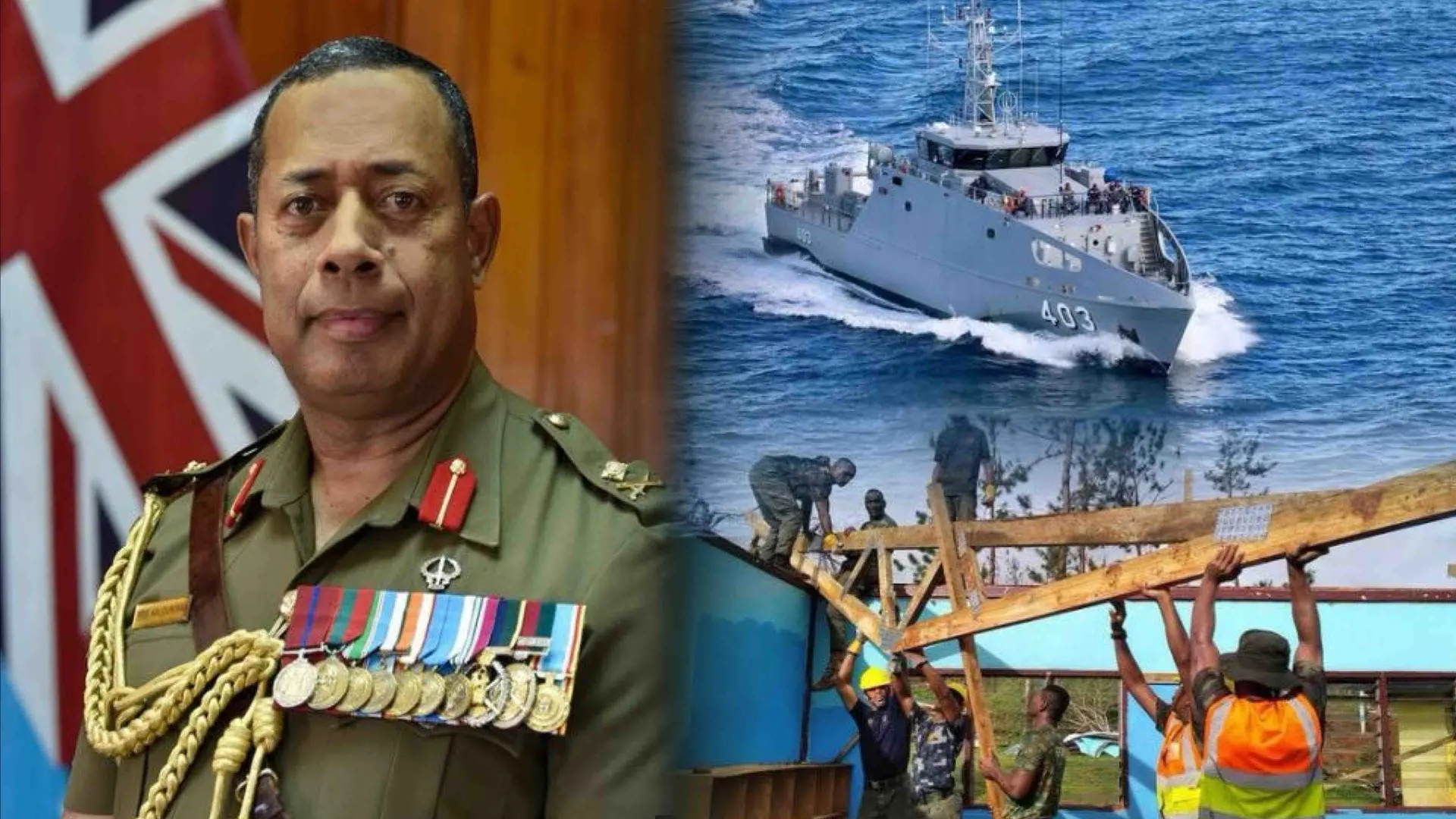
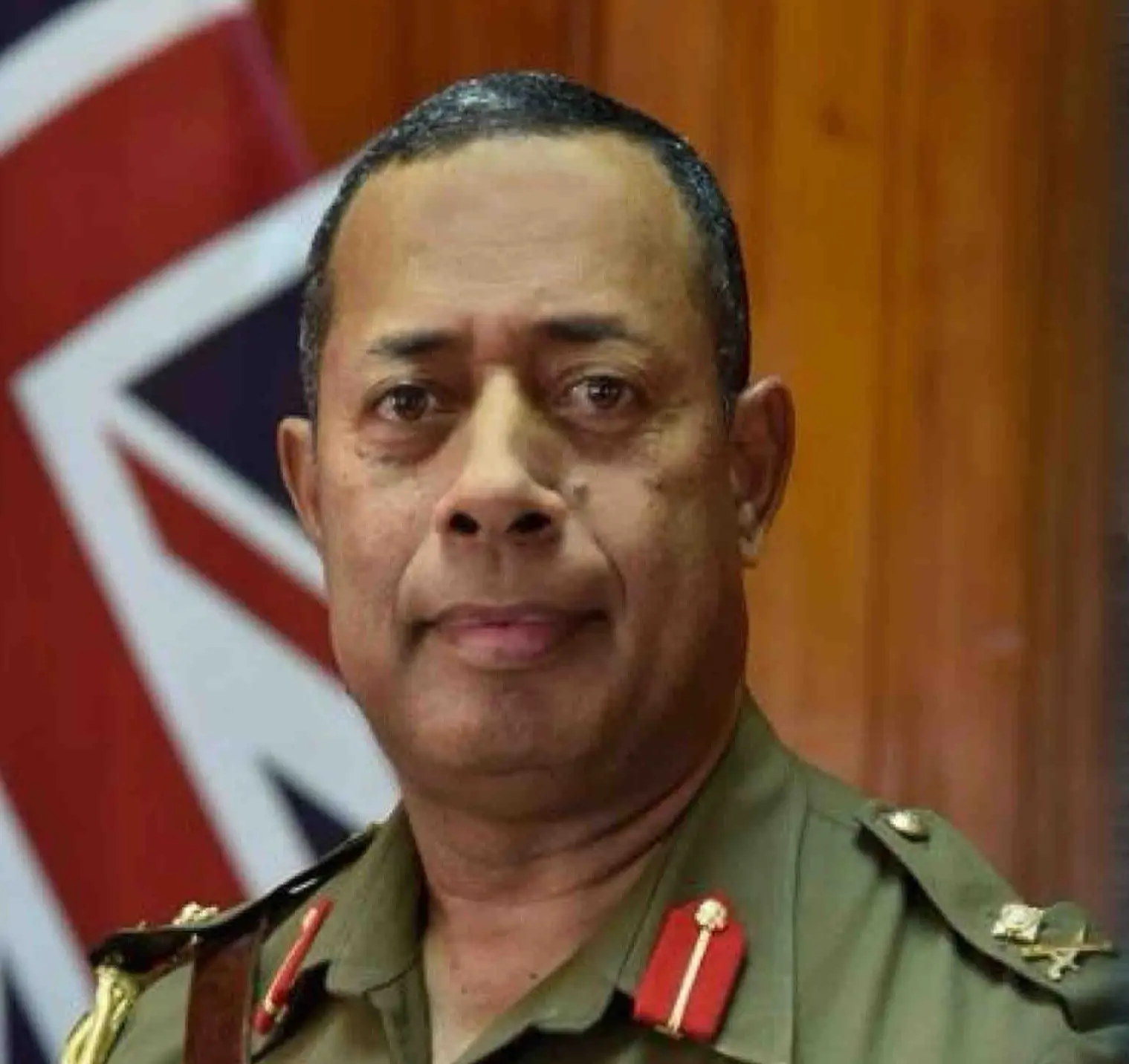
RFMF Commander Major-General Ro Jone Kalouniwai
2. WHEN FIJI FALLS, THEY LIFT US BACK UP
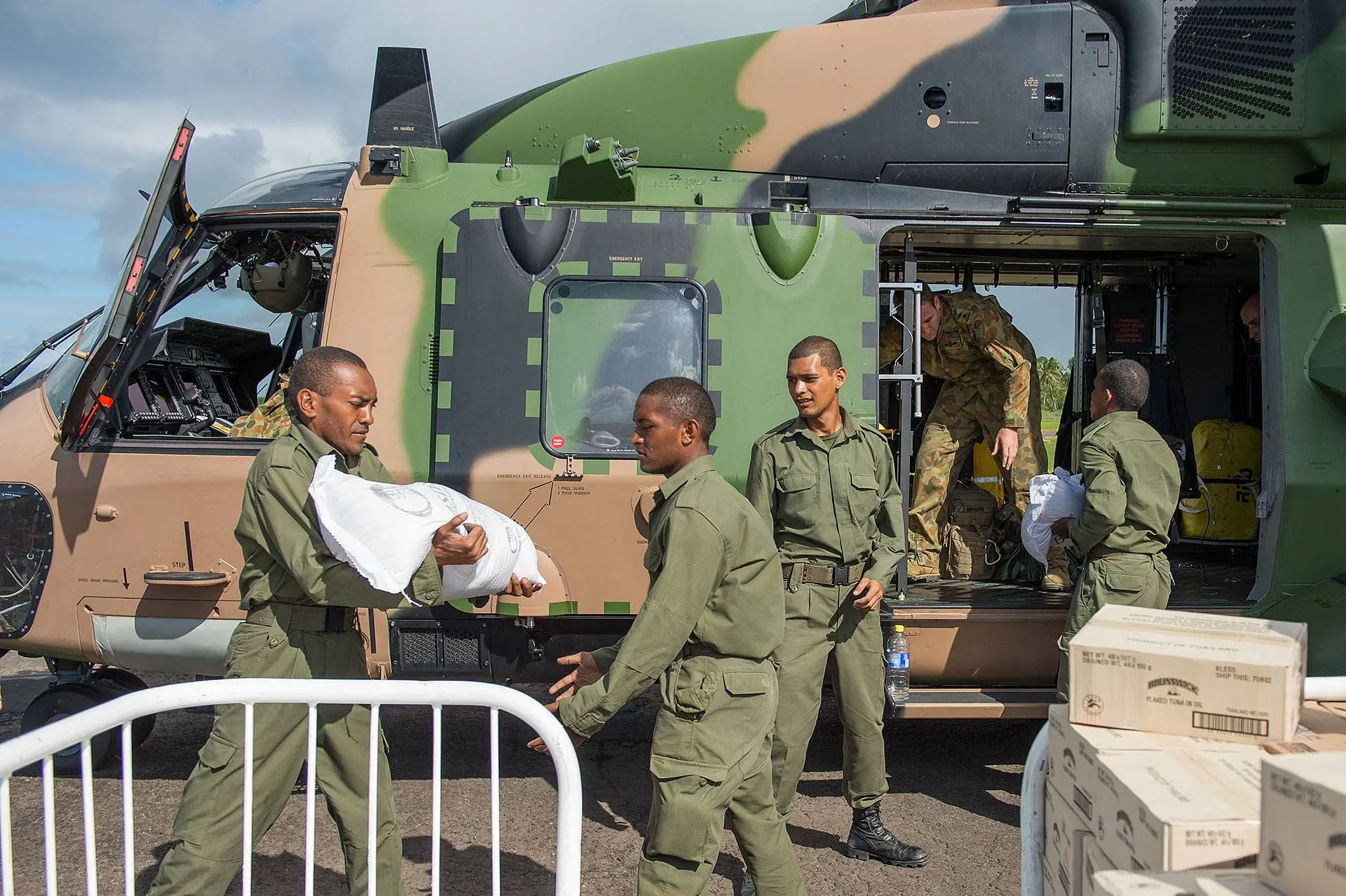
When Tropical Cyclone Winston tore through our islands and left communities in ruin, it was RFMF engineers who rolled up their sleeves and restored over 200 schools and public facilities.
They did not wait to be invited. They did not send an invoice. They simply showed up — as they always have.
3. BUILDING COMMUNITIES THAT BUDGETS FORGET
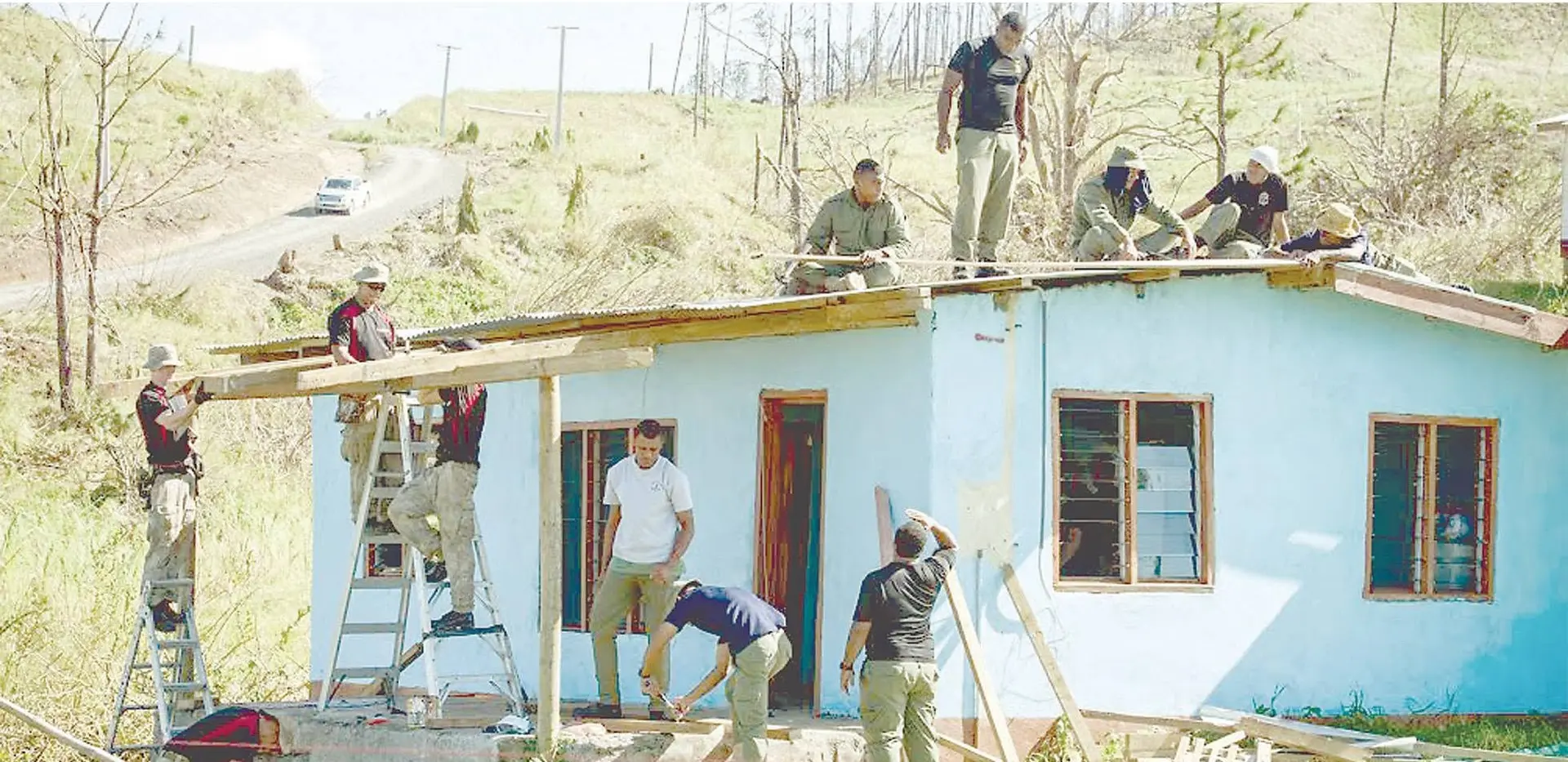
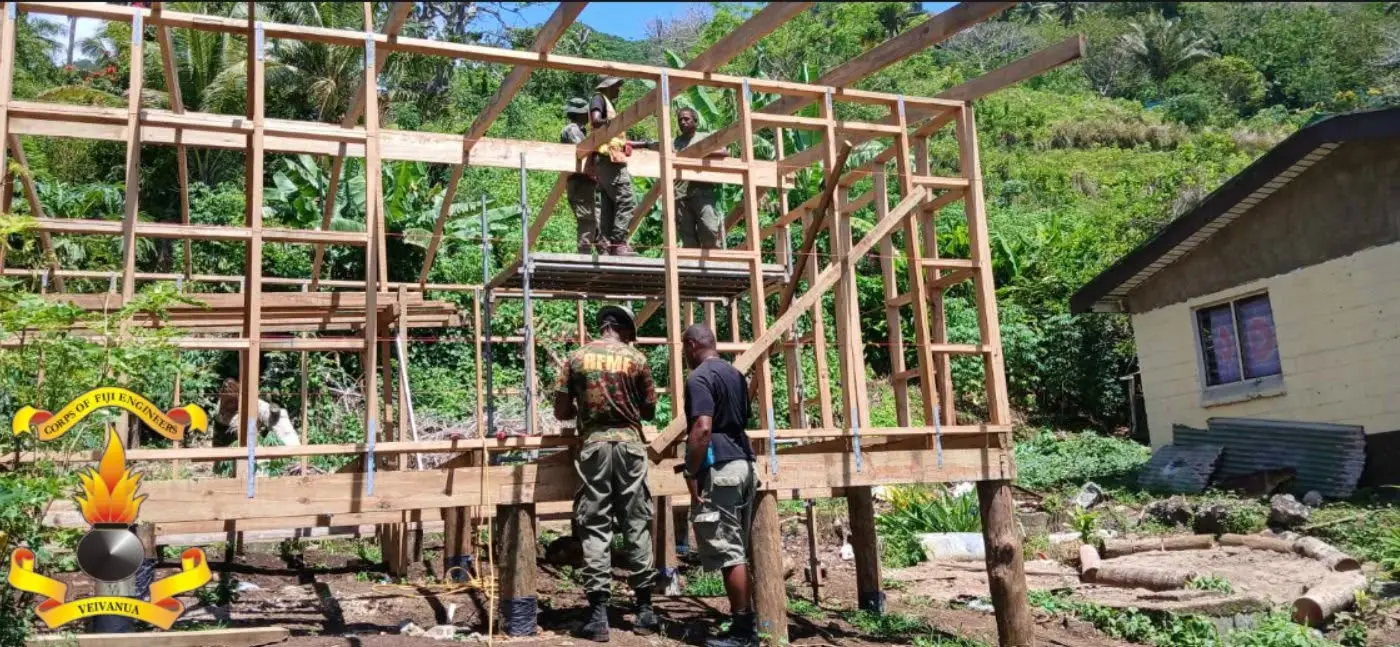
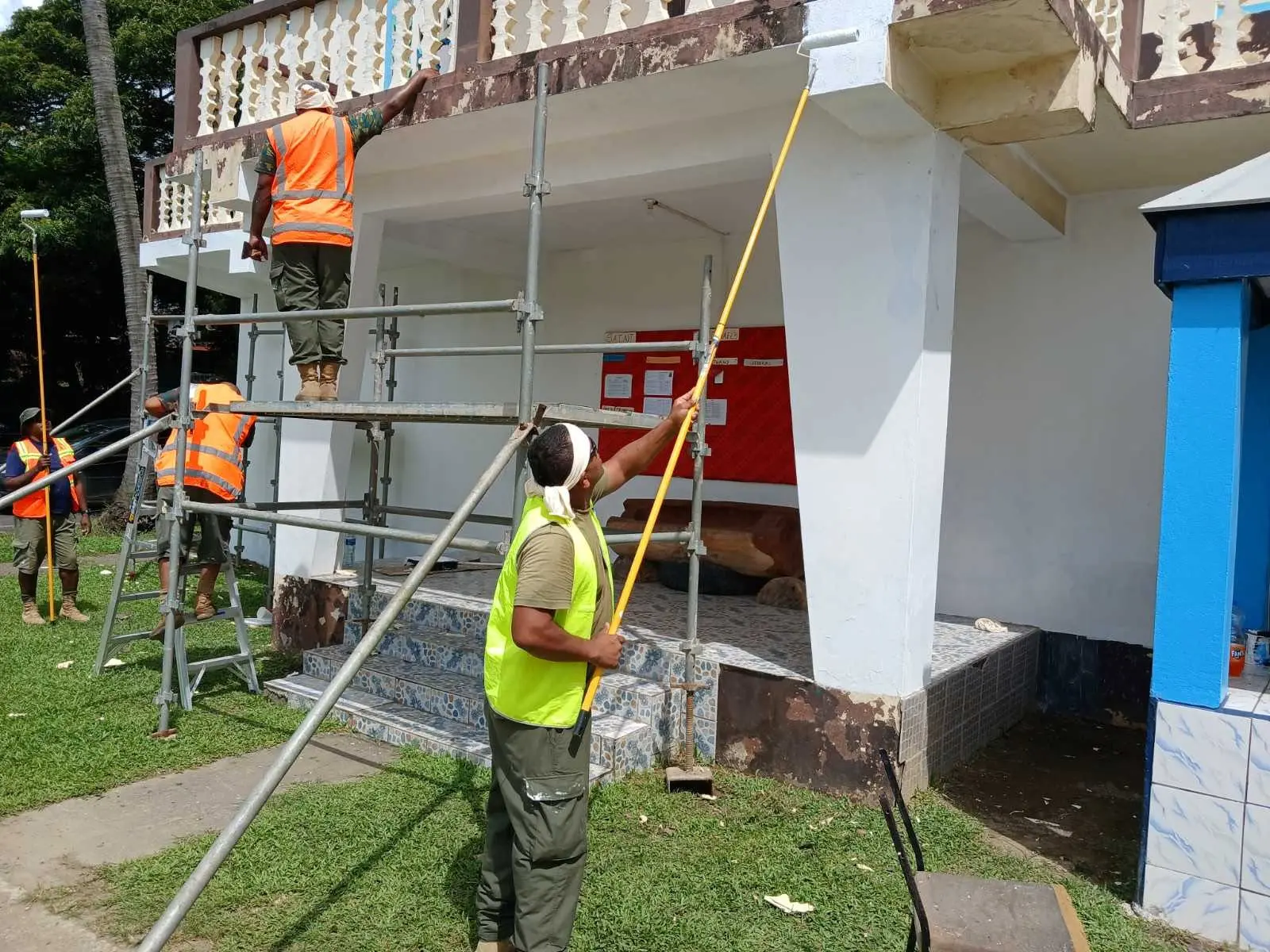
Year after year, with no fanfare and no press conference, the RFMF Engineers Rural Development Unit has served an average of over 100 communities and villages annually.
They construct community halls, rural teachers’ quarters, schools, nursing stations, roads, river crossings, and family homes — in places where no contractor will go, in communities that a budget spreadsheet has never visited. Every nail driven, every foundation laid, every roof raised — free of charge. No labour cost. No invoice. Just service.
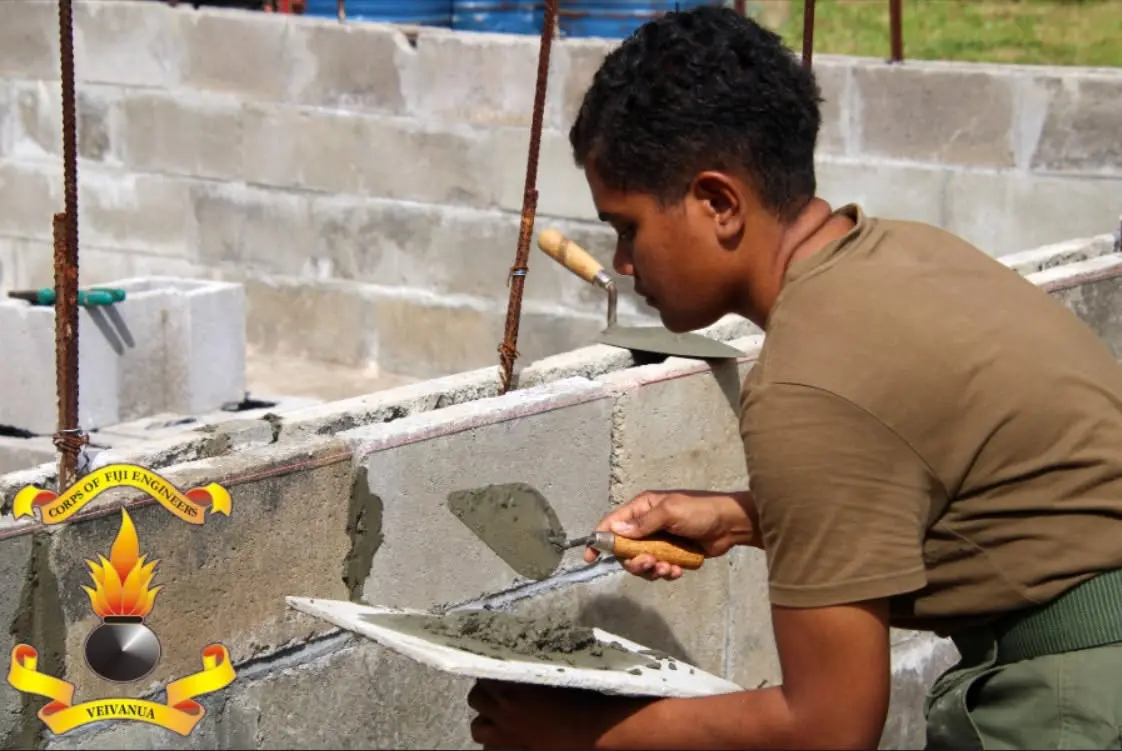
Year after year, with no fanfare and no press conference, the RFMF Engineers Rural Development Unit has served an average of over 100 communities and villages annually.
RFMF Commander Major-General Ro Jone Kalouniwai.
4. CARRYING FIJI’S NAME ACROSS THE WORLD
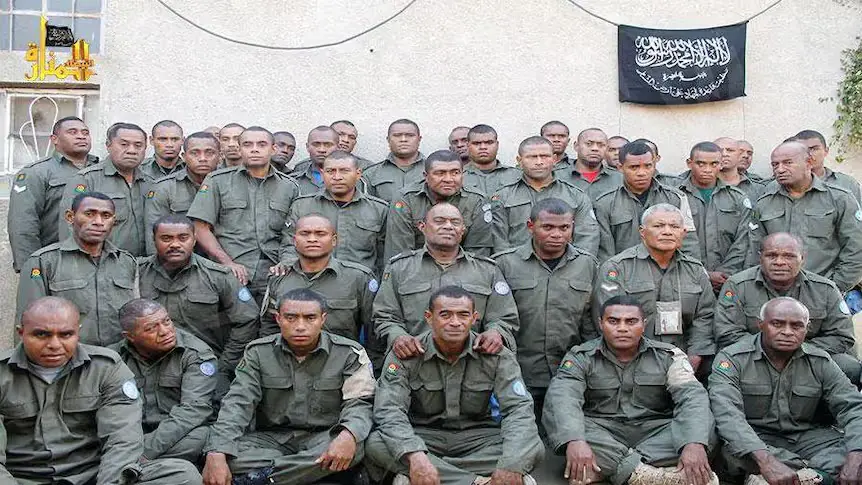
Since 1978, more than 40,000 Fijians have worn the blue beret of United Nations peacekeeping missions.
They have stood between conflict and civilians in some of the most dangerous places on earth — carrying this nation’s name with quiet honour and earning global respect for a small island state that punches far above its weight.
The millions of dollars in remittances sent home have sustained families and communities throughout the islands.
5. SHAPING THE LEADERS FIJI WILL NEED TOMORROW
In over 70 schools across the country, young Fijians are learning more than parade drill through RFMF cadet programmes.
They are learning discipline, resilience, teamwork, and the quiet confidence that comes from being held to a high standard — qualities that no classroom curriculum alone can teach.
6. FIRST IN, LAST OUT — HERE AND ACROSS THE REGION
When cyclones flood our roads, when landslides cut off our communities, when the sea rises and the winds howl, the RFMF does not wait for conditions to improve.
They move into the storm. They have done so not only in Fiji, but across our Pacific neighbourhood — standing alongside Tonga, Vanuatu, and the Solomon Islands during their most desperate hours, because the Pacific family looks after its own.
7. WHEN THE WORLD STOPPED, THE RFMF DID NOT
When COVID-19 brought the world to a standstill, the RFMF held Fiji’s borders, managed quarantine facilities, distributed food rations, and maintained civil order at a time when uncertainty threatened to unravel what we had built.
They held the line — quietly, steadfastly, and without complaint.
8. GUARDIANS OF 1.3 MILLION SQUARE KILOMETRES
Every single day, in waters stretching across 1.3 million square kilometres of ocean, RFMF naval personnel patrol our maritime sovereignty — guarding our borders, supporting Police, and safeguarding our exclusive economic zone from those who would exploit it.
PART TWO
The War That Has No Name
Understanding the Grey Zone Threat Facing Fiji
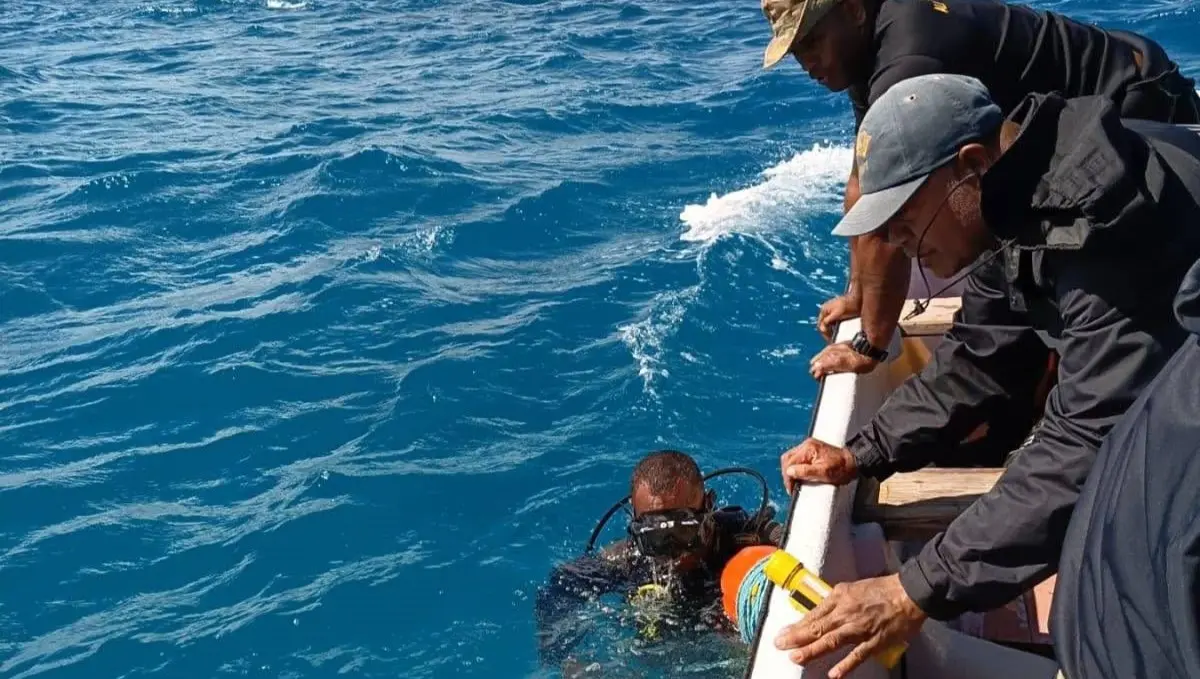
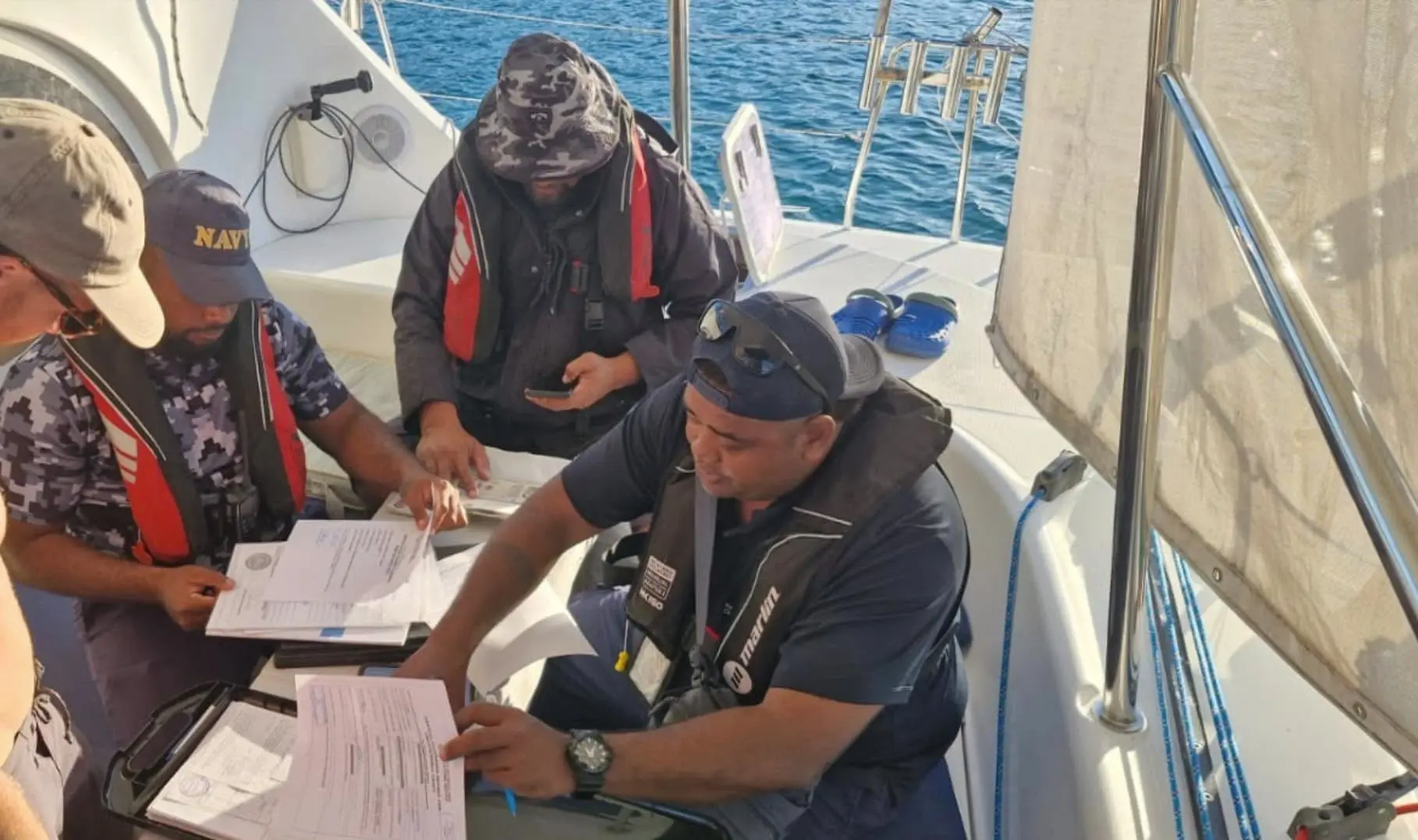
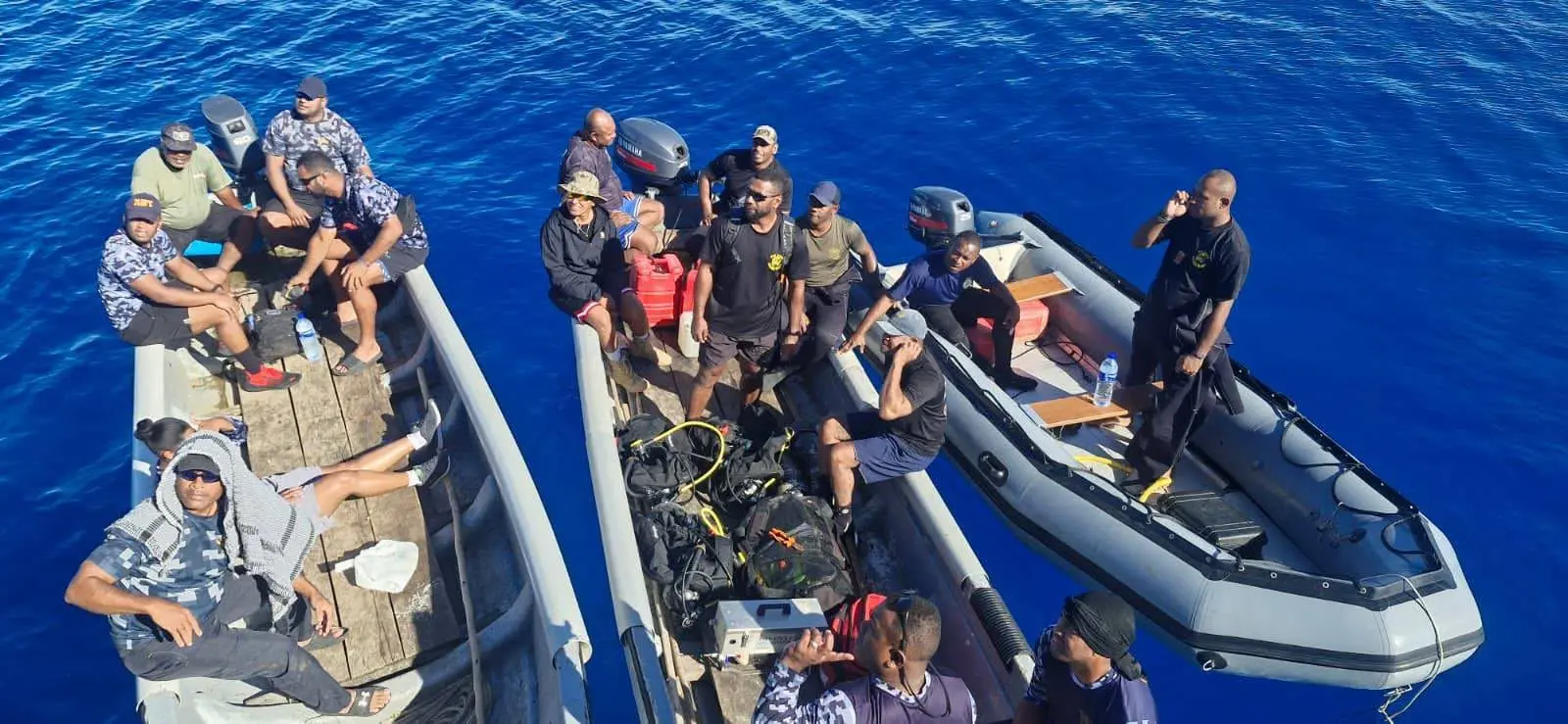
There are those who look at the images released today — narcotics parcels bound in evidence tape on a remote beach in the Lau Group, weapons retrieved from an abandoned villa, sailors in open water, divers surfacing with recovered contraband — and still struggle to see a nation at war.
This is understandable. The wars we learned about in school had frontlines. They had uniforms on both sides.
They had a beginning and an end, a declaration and a peace treaty. What Fiji faces today has none of these markers. And that is precisely what makes it so dangerous.
What we face is not a conventional war. It is something far harder to fight: a conflict that lives in the grey zone — below the threshold of declared hostilities, above the capacity of normal policing, and threaded through the very fabric of our national life.
THE DRUG PANDEMIC
Narcotics are not arriving in Fiji through military invasion.
They arrive hidden in fishing vessels, buried in sand on remote island shores, passed through networks that span continents.
They do not respect our borders because our borders — 1.3 million square kilometres of open ocean — were never designed to stop them. Every parcel seized in our chain of Islands is not simply a police matter.
It is a battle won in a war that most people have not yet recognised is being fought.
The drugs that reach our communities do not stay on the coastline. They enter schools. They enter churches. They enter the homes of families in Suva, in Labasa, in Sigatoka. They steal futures from young people whose names we will never see in any report — until it is too late.
THE CORRUPTION OF INSTITUTIONS WE DEPEND ON
Transnational crime does not operate in a vacuum.
It requires enablers — people inside the systems designed to stop it. When corruption takes root inside border agencies, the police force, the judicial system, or the business sector, it does not simply weaken those institutions.
It hollows them out. It turns the very mechanisms of governance and law enforcement into instruments of the problem they were created to solve.
This is the second front of the grey zone war: not the drug shipment itself, but the systemic rot that allows it to pass through undetected, uncharged, and unpunished.
It is a war against institutional integrity — and it is being lost in slow motion in places where no camera crew will follow.
THE EXPLOITATION OF THE VULNERABLE
The recent case involving the trafficking of three young teenage girls is not an isolated incident.
It is a symptom. When institutional trust collapses, when corruption displaces accountability, when communities are weakened by addiction and economic despair, the most vulnerable among us — our children, our women, our elderly — become the targets of those who operate in the spaces left behind by failing systems.
The RFMF’s support to Police in this case is not a military overreach. It is the only available response to an institutional gap that has left our most innocent citizens unprotected.
Fiji is not fighting a war in the conventional sense. But Fiji is absolutely in a crisis — one that is harder to see, harder to measure, and infinitely harder to win than any declared conflict. It lives in the grey. And it is growing.
PART THREE
A Response to the Budget Debate — With Respect
The RFMF acknowledges and genuinely respects the concerns raised in public commentary regarding national budget allocations — including the position that military spending should be reduced on the grounds that Fiji is not engaged in conventional warfare. These are legitimate questions in any democracy, and this institution welcomes them.
But we ask those who hold this view to look again. Not at our budget line, but at our work. At the sailors operating in open seas in the Lau Group this week.
At the engineers who built a rural school and Community Hall last month with no press release. At the soldiers who distributed food rations during COVID while the rest of the country stayed home.
At the peacekeepers who carried Fiji’s flag to the world’s most dangerous places. At the cadets who are learning, right now, what it means to serve something larger than themselves.
The RFMF has always operated with the minimum of resources.
A reduced budget has never stopped a soldier from completing the mission. It will not stop us now. What we ask is simply this: before reducing the capacity of the one institution still extending its reach into the grey zones of this crisis — consider what is left if we are not there.
We share the belief that education, health, and welfare deserve every dollar they need. We have never argued otherwise.
But we would gently offer that a nation whose institutions are being hollowed out by corruption, whose communities are being poisoned by local peddlers offering narcotics, and whose children are being preyed upon by traffickers — is not a nation that can afford to reduce the reach of the few who are still fighting back.
A reduced budget has never stopped a soldier from serving. It will not stop us now.
RFMF Commander Major-General Ro Jone Kalouniwai
Every sailor and soldier who wears this uniform took an oath — not to a government, not to a budget line, but to this nation and its people.
We are taught from our earliest days in uniform that no soldier is indispensable. You fall today; someone rises tomorrow to take your place. We do not mourn our fallen — we celebrate their courage, honour their sacrifice, and carry their mission forward.
The RFMF will continue to serve Fiji with everything it has — and everything it is.
‘Onward’
*This is a paid article by the Republic of Fiji Military Forces.