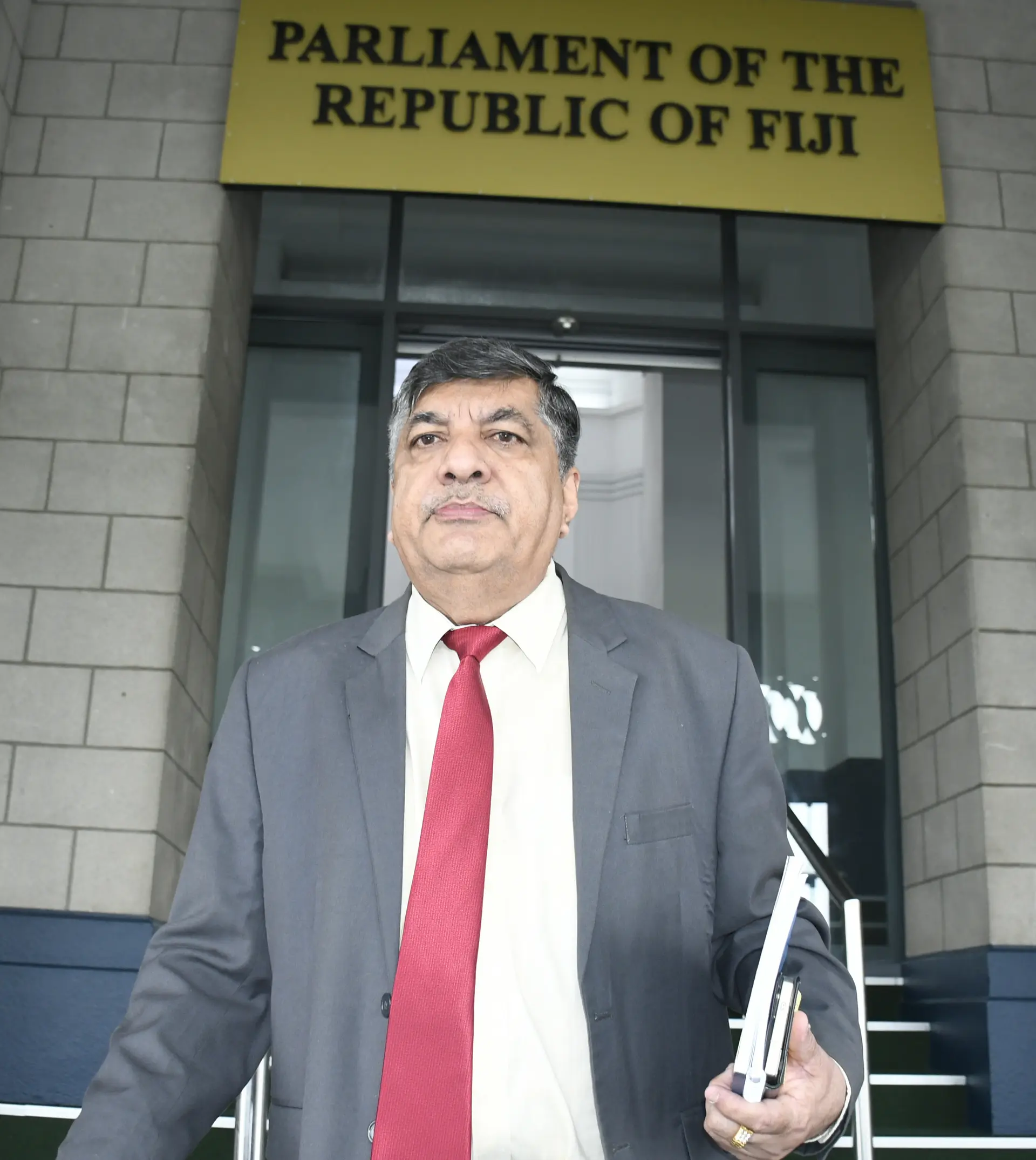
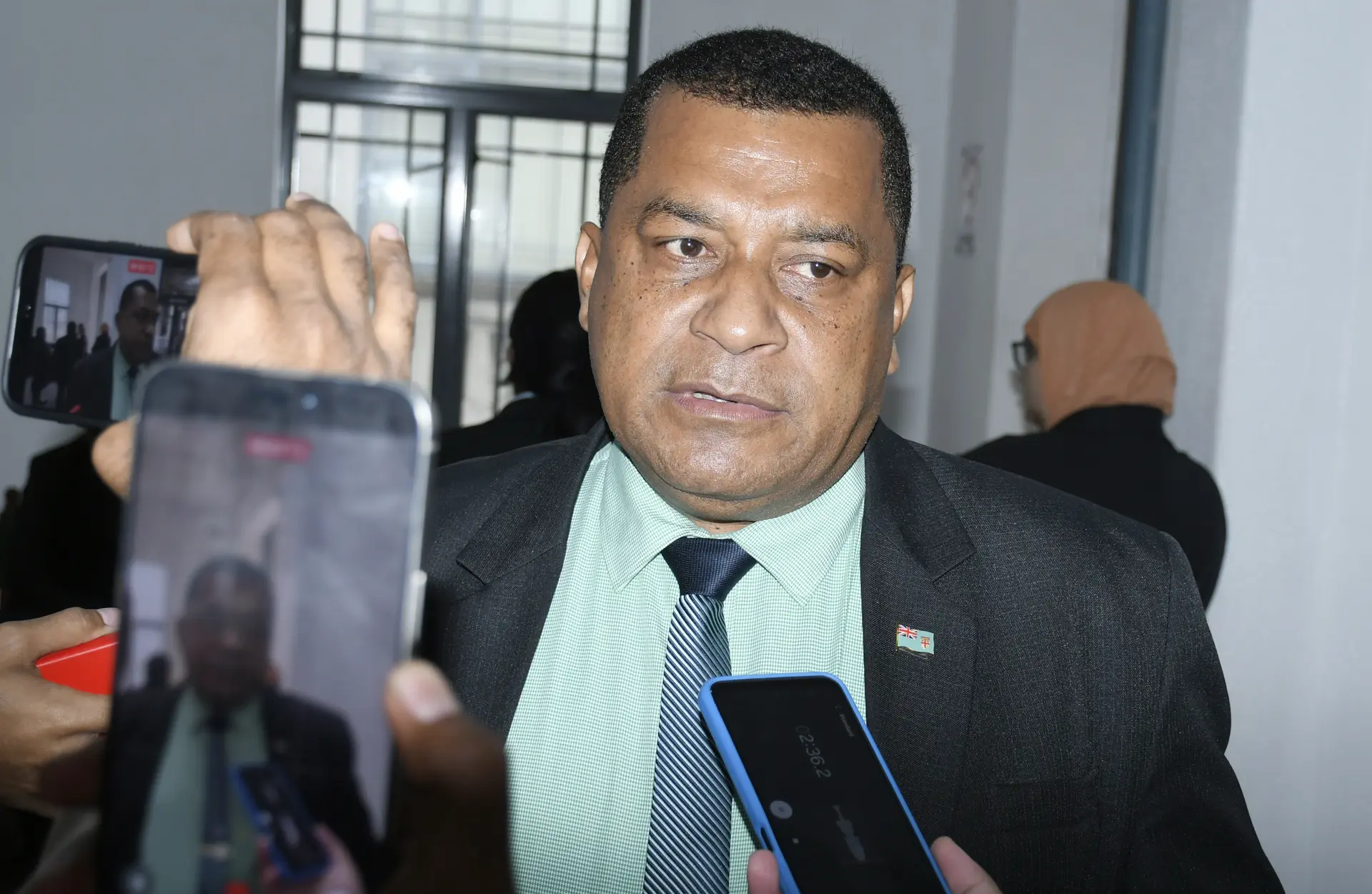
Referendum Bill an unprecedented assault on democracy: Dialogue Fiji
Mr Lal said section 23 would expose ordinary citizens to criminal prosecution simply for discussing referendum questions with family members or neighbours.
Monday 19 January 2026 | 18:00

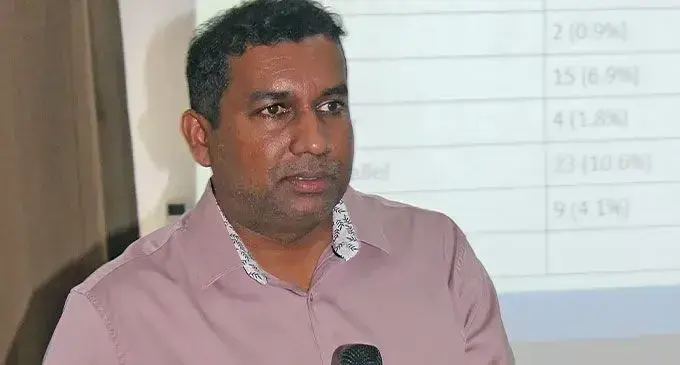
The proposed National Referendum Bill 2025 represents one of the most severe restrictions on democratic freedoms ever proposed in Fiji, Dialogue Fiji says.
Executive director Nilesh Lal said sections 22 and 23 of the Bill effectively criminalised public discussion and expression on referendum matters.
He told Parliament’s public consultation on the Bill today that no referendum law in Australia, the United Kingdom, New Zealand, Switzerland or other liberal democracies criminalised persuasion or banned referendum-related expression.
Related stories
Mr Lal said section 23 would expose ordinary citizens to criminal prosecution simply for discussing referendum questions with family members or neighbours.
He said the Bill also banned all referendum-related badges, symbols, banners and advertisements before, during and after a referendum, effectively placing control of public information in the hands of the State through the Supervisor of Elections.
Mr Lal said this was inconsistent with the principles of free and fair referendums.
He added that sections 22 and 23 appeared to closely mirror Singapore’s 1961 referendum law, which was enacted during a controversial merger vote and widely criticised for suppressing opposition.
Mr Lal said Singapore’s 1962 referendum was often cited as an example of how a referendum should not be conducted.
Recommendations
Dialogue Fiji called for immediate redrafting of the restrictive provisions and made several recommendations, including:
• Removing or amending sections 22 and 23 to allow civic education and public campaigning;
• Introducing campaign spending limits and donation disclosure requirements;
• Removing section 27 restrictions preventing under-18s from participating in referendum activities;
• Establishing an independent body to frame referendum questions;
• Introducing transparency rules on the use of State resources.
The parliamentary committee is expected to travel nationwide for further public consultations before making recommendations on possible amendments to the Bill.