Acting A-G Turaga stays clear of Vakarisi cases
Mr Turaga said the power to drop criminal charges rests entirely with the Office of the Director of Public Prosecutions (ODPP), not the AG’s office.
Thursday 30 April 2026 | 06:30

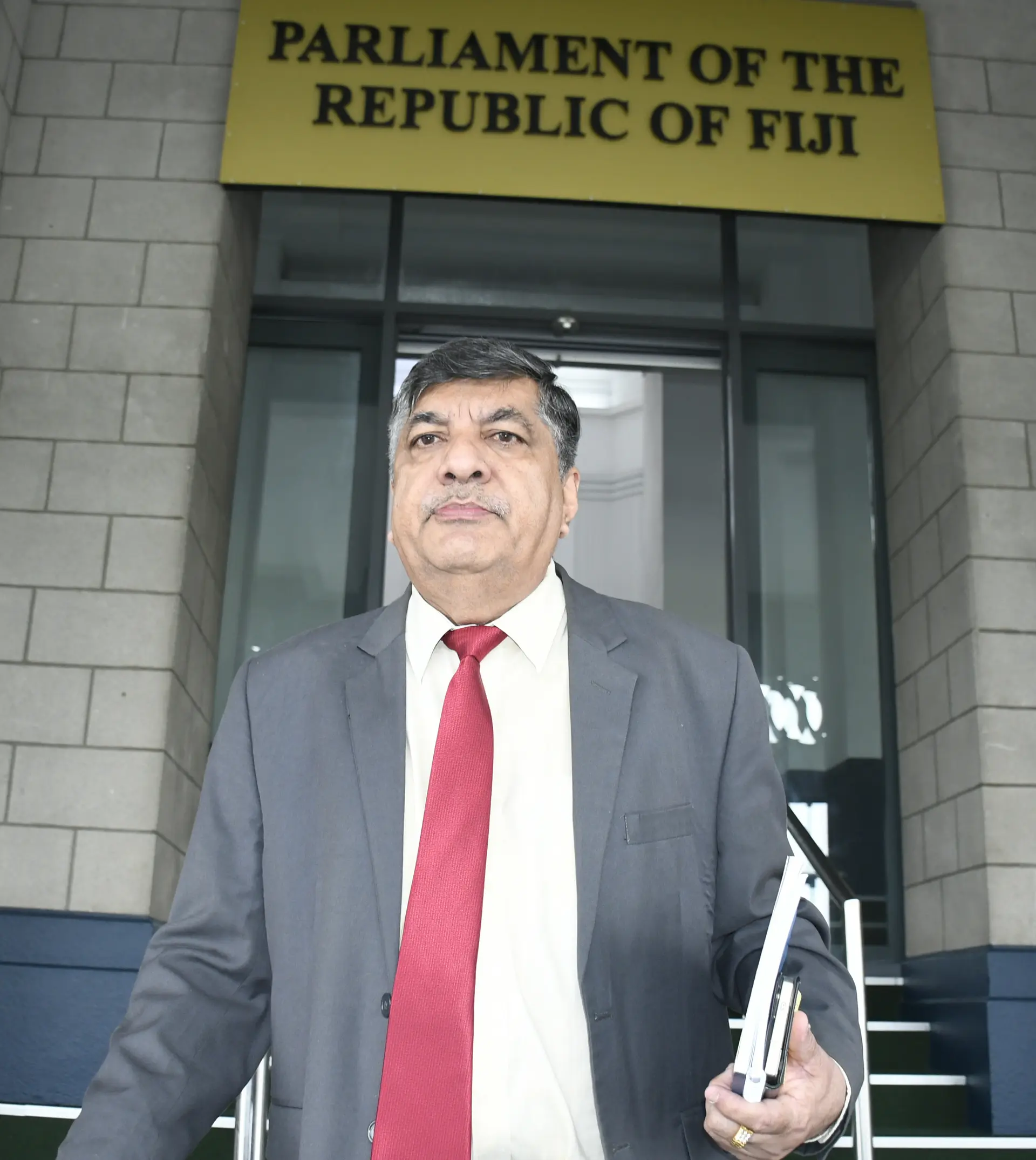
Acting Attorney-General Siromi Turaga has moved to distance his office from questions over how the cases of the late Jone Vakarisi were handled.
Mr Turaga said the power to drop criminal charges rests entirely with the Office of the Director of Public Prosecutions (ODPP), not the AG’s office.
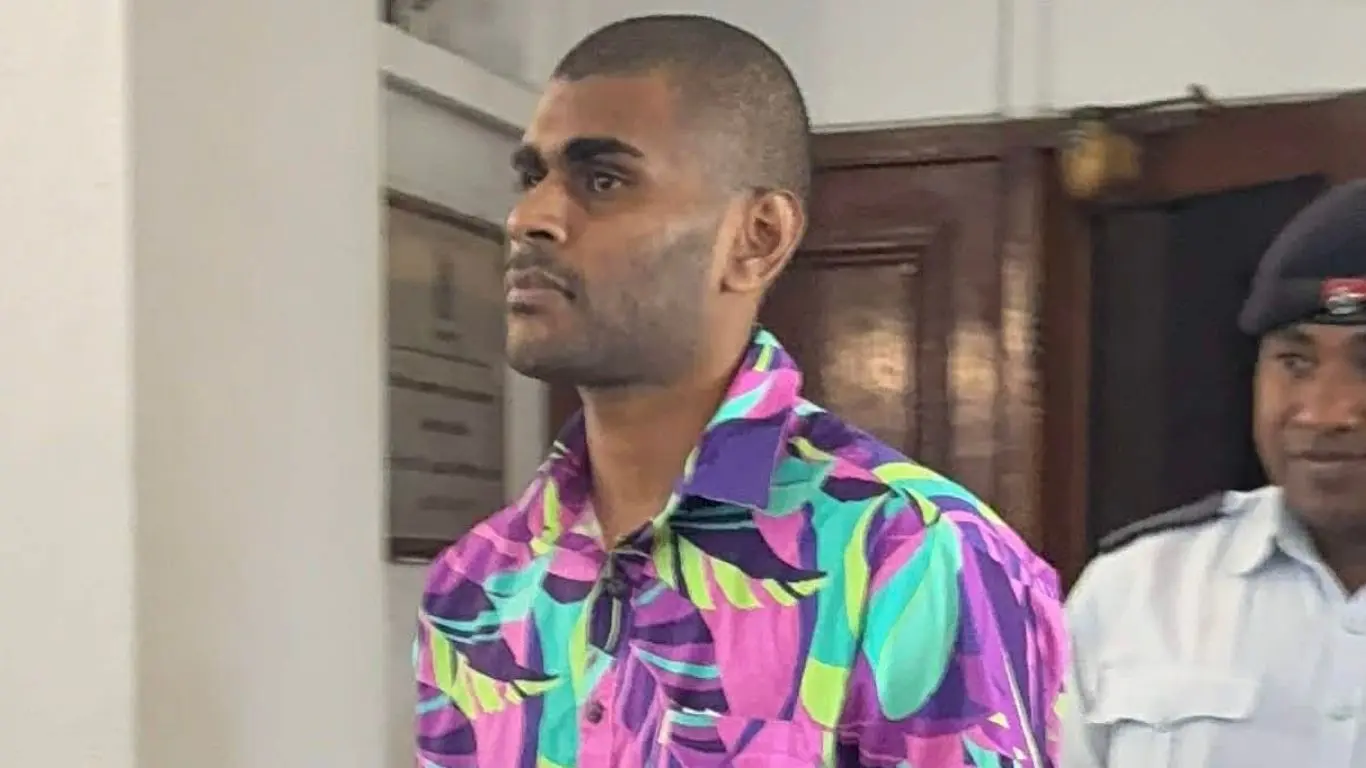
Mr Turaga was responding to queries from this masthead following the death of Vakarisi who faced more than 30 charges over a decade, including drug possession, assault, abduction and criminal intimidation. Yet Vakarisi served little prison time, with most cases ending in acquittals, suspended sentences, or dropped charges.
Related stories
“The AG’s office is never involved in any of the processing of any criminal activities,” Mr Turaga clarifed.
“Criminal activities are reported to Police for investigation. Investigations are then, depending on the seriousness, submitted to the DPP.” On the question of dropped charges – legally called a nolle prosequi, meaning a formal withdrawal of a case – Mr Turaga was clear on who holds that power.
“Those powers are exercised by the DPP alone, if they see fit, depending on evidence,” he said.
“All I can say is that the judiciary is independent. They are members of the community, they are mindful, they are watching.
“They are also aware of the concerns of the executive branch of government regarding the fight to combat crime.”
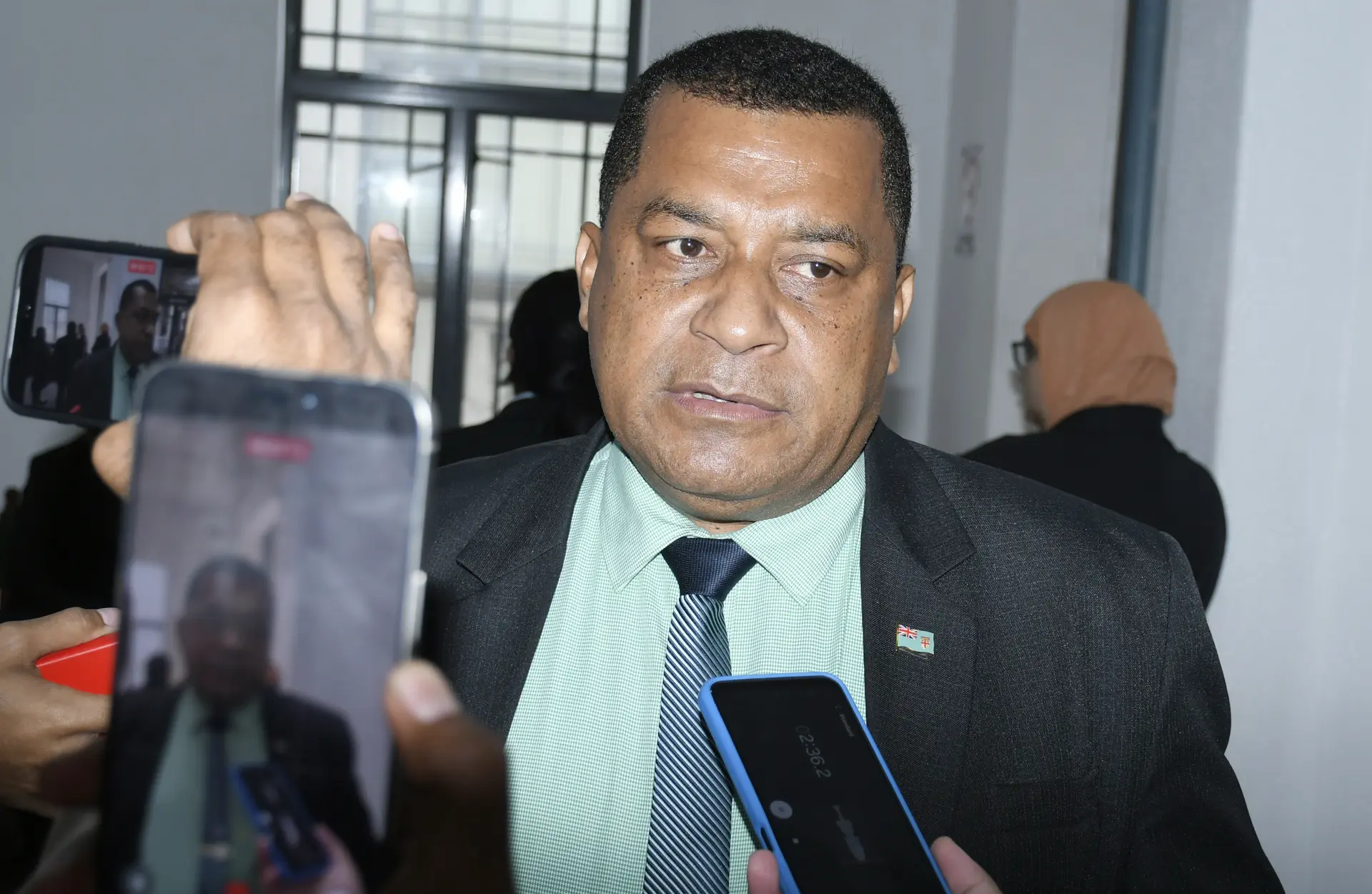
Acting DPP Nancy Tikoisuva directed this masthead to the Abourizk case which involved 49.9kg of cocaine seized near Vuda in 2015 as one of the legal precedents that set sentencing guidelines for hard and green drugs respectively.
Under Fiji’s Illicit Drugs Control Act 2004, trafficking hard drugs carries penalties up to $1 million and life imprisonment, with sentences tied to the quantity seized.