Malolo Ruins Still Worry Many Villagers
When they developed the area, our catch wasn’t like before. The number of fish and crabs we used to catch before all dropped.
Saturday 10 September 2022 | 12:00
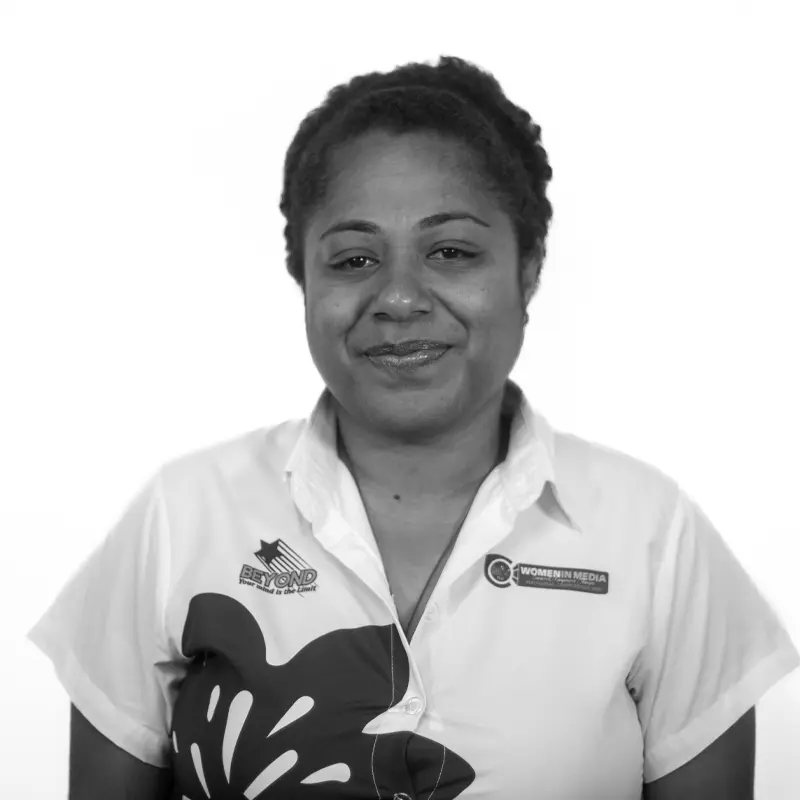
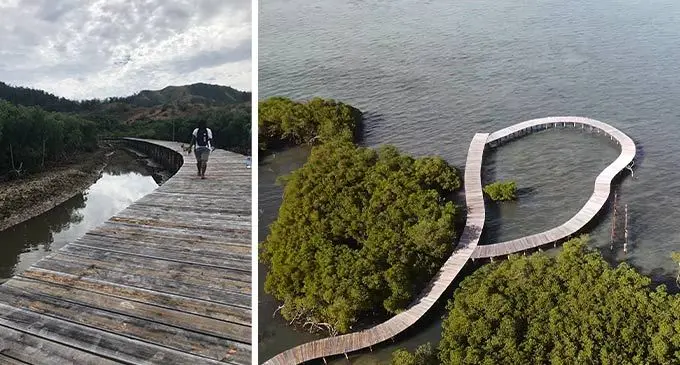
The wooden deck bridge built by Freesoul, which stretches out to sea, amoung thick mangroves. Photo: Kelera Sovasiga-Tuisawau
Sereseini Naso and the village women of Yaro and Solevu on Malolo Island can always count on the bounty of the sea surrounding their communities to help sustain their families.
But things changed when development work for a tourism investment started between June 8, 2017, and December 6, 2018.
While the site can’t be seen from the populated areas of Ms Naso’s home village of Yaro, she and other villagers can hear the whirring of heavy machinery, even at night.
Related stories
They felt helpless and could do nothing but wait for what this project would bring to their communities.
“The developed site was one of the popular spots for women to catch crabs and fish,” Ms Naso said.
Yaro Village is located near the development site of the Freesoul Real Estate Development (Fiji) PTE Limited. The second village on the island is called Solevu.
The exact site of the Freesoul development sits on a piece of land known by locals as Wacia. Freesoul was granted a 99-year tourism lease by the iTaukei Lands Trust Board (iTLTB) to develop Wacia.
This followed the usual consensus process required by the iTLTB. But a continuing dispute between two tribes in Solevu Village claiming ownership of Wacia. Both Solevu and Yaro villages are at least 30 minutes away by boat from Wacia.
The three sites are located on Malolo Island. The island is in the Mamanuca archipelago. It is surrounded by fringing reefs and azure waters.
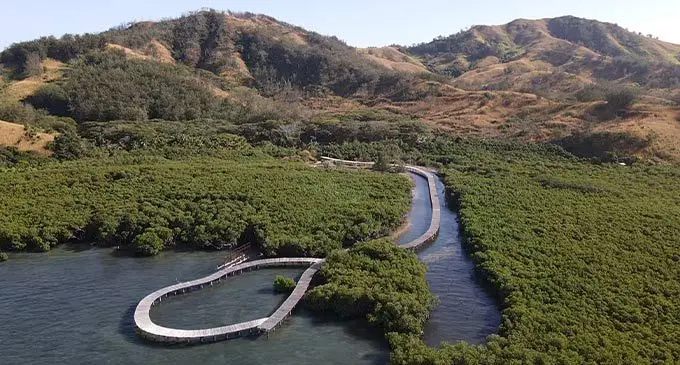
The wooden deck bridge built by Freesoul, which stretches out to sea, amoung thick mangroves. Photo: Kelera Sovasiga-Tuisawau
So far, five houses have been constructed, two 40 horsepower motor engine boats given, and development for the primary and secondary schools.
He refuted claims made by Yaro Village women that they could not find any crabs because it was probably out of season.
Ulaiasi Tuivunilagi, another villager who supported the development, said the development would benefit the 14 provinces in Fiji because it would generate employment.
“We the Taubeni clan, we were supported with two boats and engines, and two new houses. All houses were renovated by Freesoul,” he said.
The Taubeni clan is part of another tribe, also known as Taubeni. “Freesoul did an amazing job with assisting us the iTaukei.”
LEGAL COMMENT
The Office of the Director of Public Prosecutions (ODPP) said the interests of the landowners were matters for the Ministry of iTaukei Affairs, especially the Native Land Commission, the iTLTB, and the Ministry of Lands to address.
“ODPP had sanctioned charges against the lessee, Freesoul, for the unauthorised development under the Environment Management Act 2005,” it said.
ODPP said the removal of heavy machinery on site were prerogatives of the company and the Ministry of Environment.
The Ministry of Environment did not wish to comment, but instead directed all questions to the ODPP as their legal representative.
CONCLUSION
Villagers of Solevu and Yaro hope that the damage done to their foreshore would be revived soon for the sake of their future generation.
For now, mangroves are starting to regrow, and villagers are noticing the return of crabs and fishes. But the question remains.
What happens to the heavy machineries, trucks and rusted building materials, and villas on the developed Wacia site. Will they be removed? They are already an eyesore to visitors to the site.
The more they are left to rust, the more environmental damage they cause on Malolo Island.
This story was produced with the support of Internews’ Earth Journalism Network
Story By: Ivamere Nataro
Feedback: ivamere.nataro@fijisun.com.fj