Cost-of-living fears dominate FCCC electricity tariff consultations
The consultation process has seen strong public engagement, with about 480 people attending sessions in the Western Division and 14 written submissions received so far.
Tuesday 13 January 2026 | 17:00

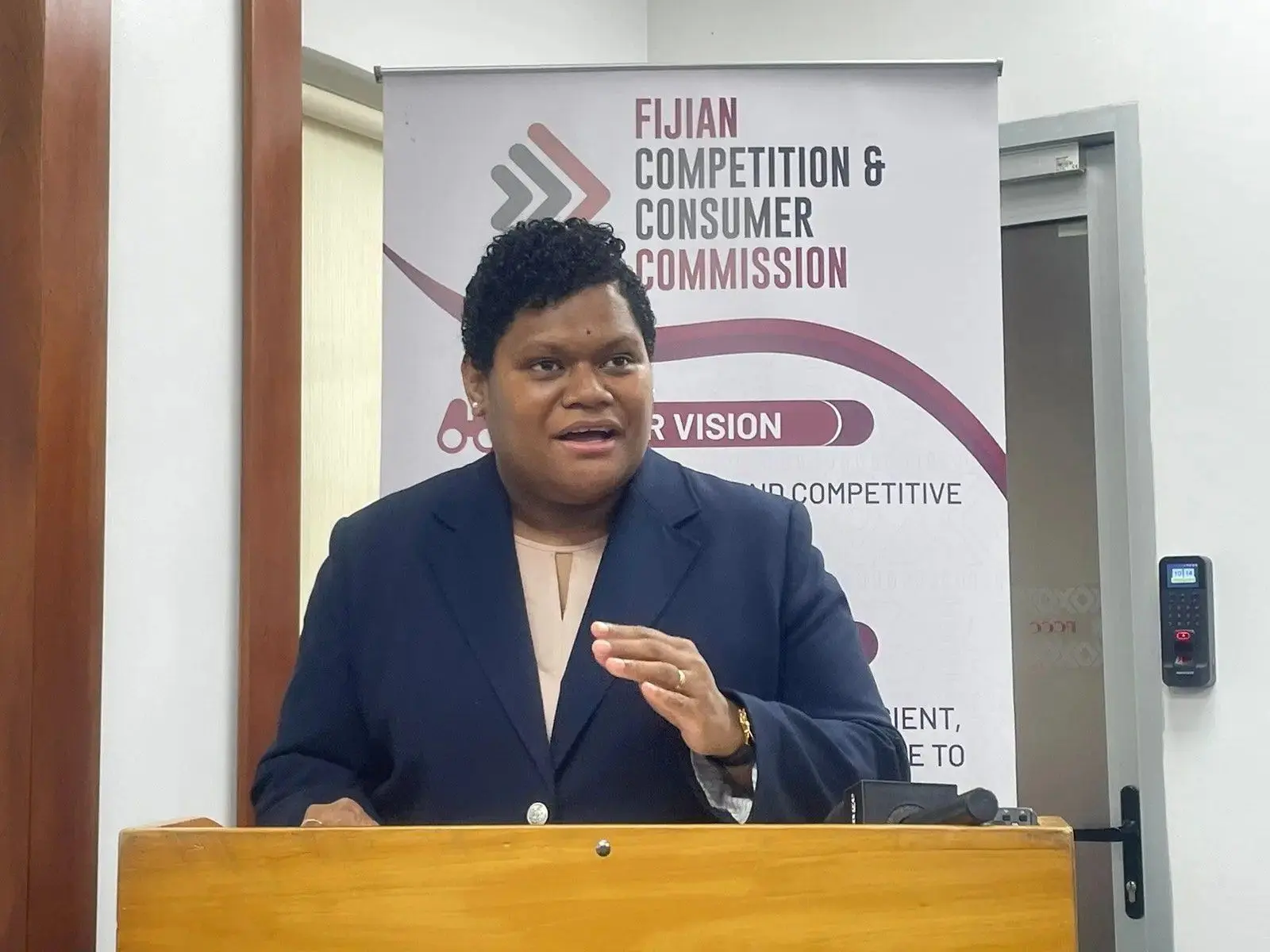
Concerns over the rising cost of living dominated public consultations on the proposed electricity tariff increase at the MHCC in Suva today, with businesses and members of the public warning that higher power costs could push up prices for goods and services.
The Fijian Competition and Consumer Commission (FCCC) said many commercial electricity users expressed strong concerns, arguing that the proposed increase would significantly raise operating costs and eventually be passed on to consumers.
FCCC chief executive officer Senikavika Jiuta said feedback during the consultations had been mixed. While some participants supported the proposal after gaining a better understanding of how the tariff system works, others remained worried about affordability.
Related stories
Ms Jiuta said several factors contribute to the cost of living, including value-added tax (VAT), freight costs, water charges and import duties, and stressed that electricity was not the main driver of rising prices.
“When people talk about the cost of living, electricity is not a major component,” she said, urging caution in directly linking power prices to higher retail costs.
“From the commercial perspective, the increase is seen as significant, and the concern is that it will flow down to the cost of goods,” Ms Jiuta added.
She said the FCCC was conducting its own internal assessments on price-controlled items to determine how the proposed tariff increase could affect essential goods.
The consultation process has seen strong public engagement, with about 480 people attending sessions in the Western Division and 14 written submissions received so far.
The FCCC is also holding focused discussions with businesses to better understand their concerns.
The proposed electricity tariff increase remains on hold while the FCCC completes its 21-day public consultation, followed by an assessment period before the matter is presented to the FCCC board for a final decision.
Ms Jiuta urged the public to remain calm and to use the consultation process to seek clarification and share practical solutions.
“This is an opportunity for people to come forward, understand the proposal, and have their views considered before any decision is made,” she said.