Fijians may face up to US$15,000 visa bond for travel to U.S
New U.S. pilot programme aimed at reducing visa overstays takes effect from January 2026.
Thursday 08 January 2026 | 06:00
Updated 08 January 2026 | 13:02 FJT

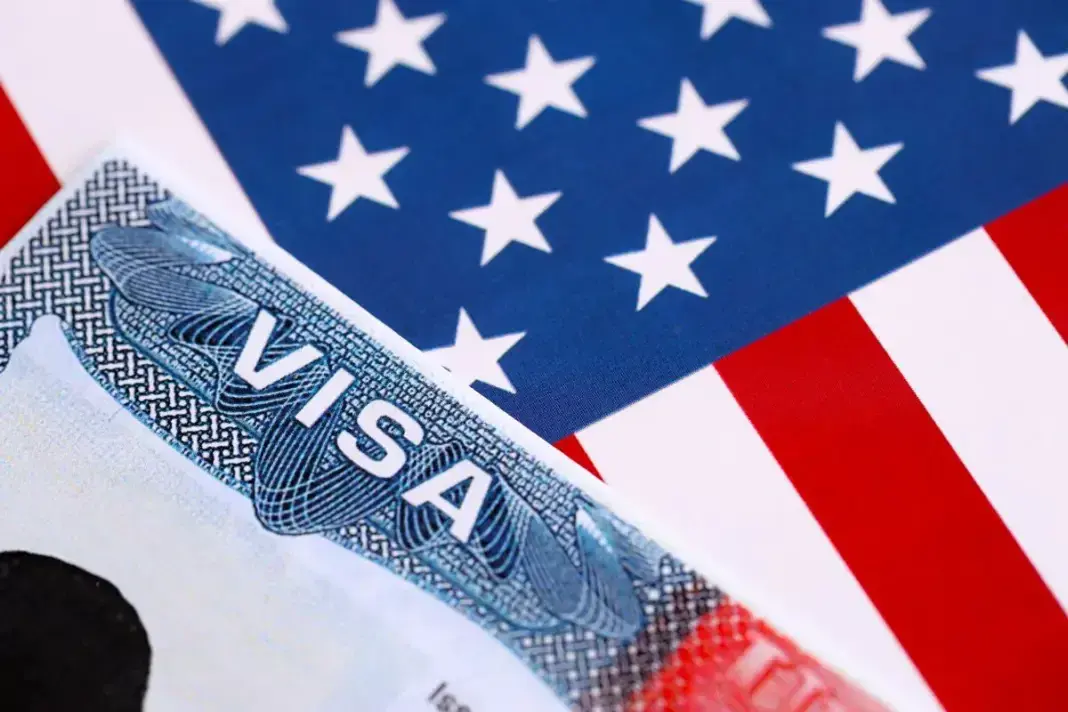
Travelling to the United States? Expect higher costs from 2026.
Fijians planning to travel to the United States for holidays, family visits or business may soon have to pay significantly more.
This is after Fiji was placed on a U.S visa bond pilot programme aimed at reducing overstays.
Related stories
From January 21, 2026, some Fijian passport holders applying for B1/B2 visitor visas may be required to pay a visa bond of up to US$15,000 ($FJ34,061) before being allowed to travel.
The B1/B2 visa is commonly used for tourism, family visits and short-term business travel.
Under the new rule, eligible applicants could be asked to post a bond of US$5000 (FJ$11,353.74), US$10,000 (FJ$22,708) or US$15,000 (FJ$34,062), depending on the out come of their visa interview.
The policy was introduced by the U.S Department of State under a Temporary Final Rule linked to the U.S Immigration and Nationality Act.
It is based on visa over stay data published by the U.S Department of Homeland Security. U.S authorities say the bond is designed to encourage travellers to follow visa rules and leave the country on time.
Applicants will only be required to post a bond if instructed to do so by a U.S consular officer.
The decision will be made on a case by-case basis during the visa interview.
Payment
Those directed to pay must complete Department of Homeland Security Form I-352 and make payments only through the official U.S Government platform, Pay.gov.
Officials have warned applicants not to use third-party websites, stressing that the U.S government is not responsible for money paid outside its systems.
The Department of State has also made it clear that paying a bond does not guarantee visa approval. Any fees paid without official instruction will not be refunded.
As part of the bond conditions, affected travellers must enter and exit the United States through specific airports.
These include John F. Kennedy International Airport in New York, Boston Logan International Airport, and Washington Dulles International Airport.
The bond will be refunded if the traveller leaves the U.S on time, does not travel before the visa expires, or is denied entry at the port of entry.
Immigration status
However, overstaying, failing to leave, or applying to change immigration status, including seeking asylum, could result in the bond being forfeited.
The inclusion of Fiji on the list is expected to place added financial pressure on Fijians travelling to the U.S from 2026, particularly families and small business travellers, as the new rule adds thousands of dollars to the cost of short-term travel.
Feedback: mere.ledua@fijisun.com.f