FIPRA, survivors association call for end to sharing of awards-night video
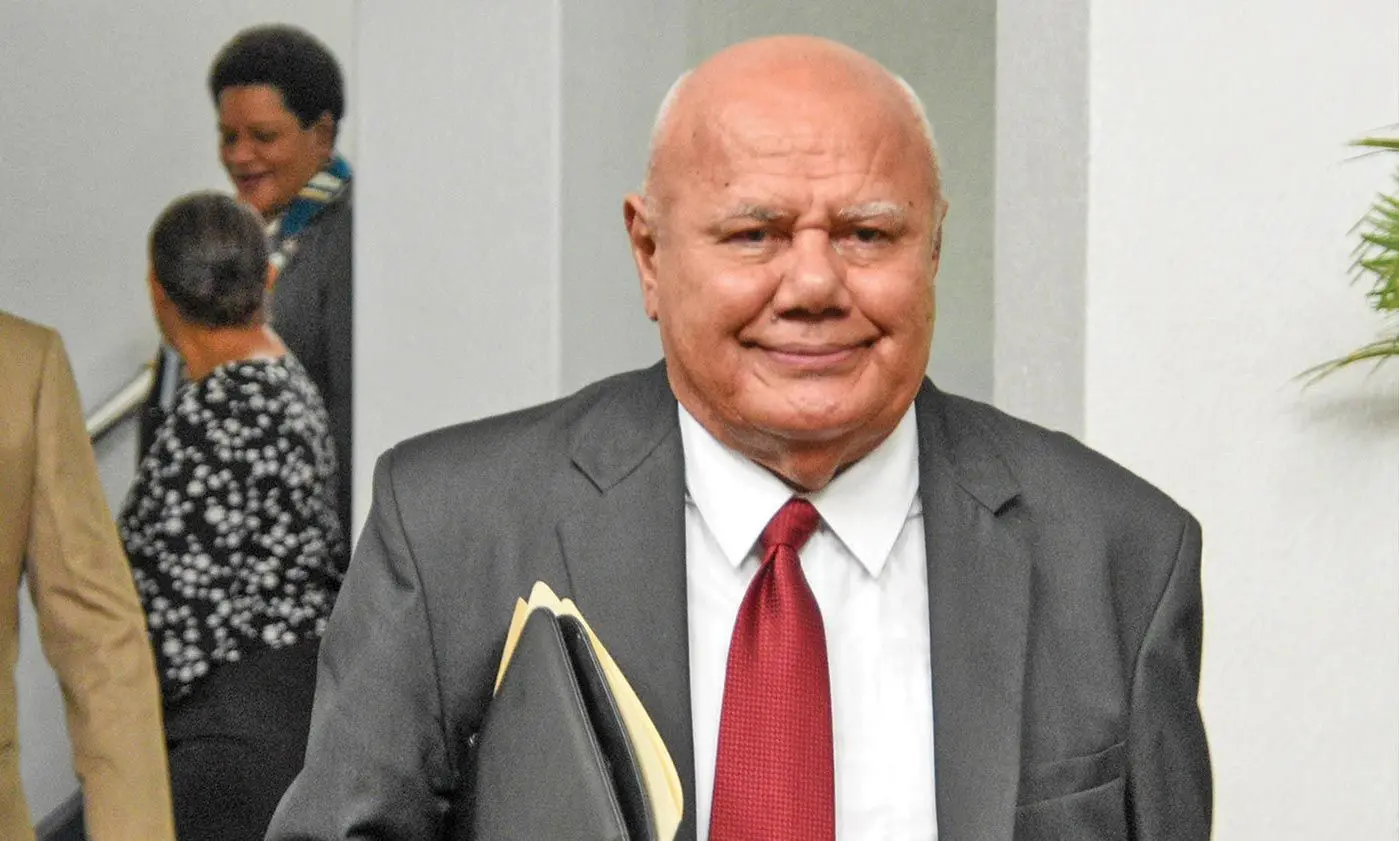
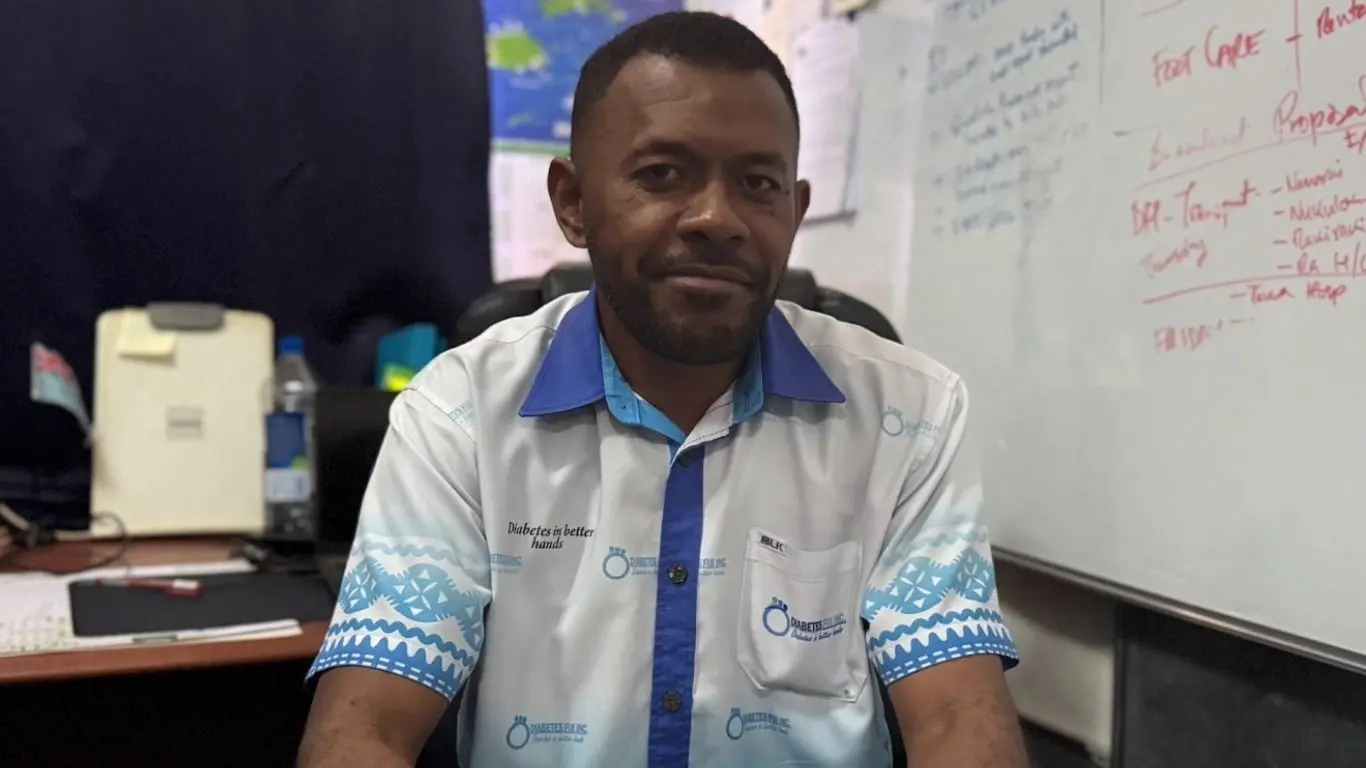
FIPRA chairman Isireli Gumatua said a vulnerable moment should not be treated as entertainment.
Tuesday 29 September 2026 | 11:00

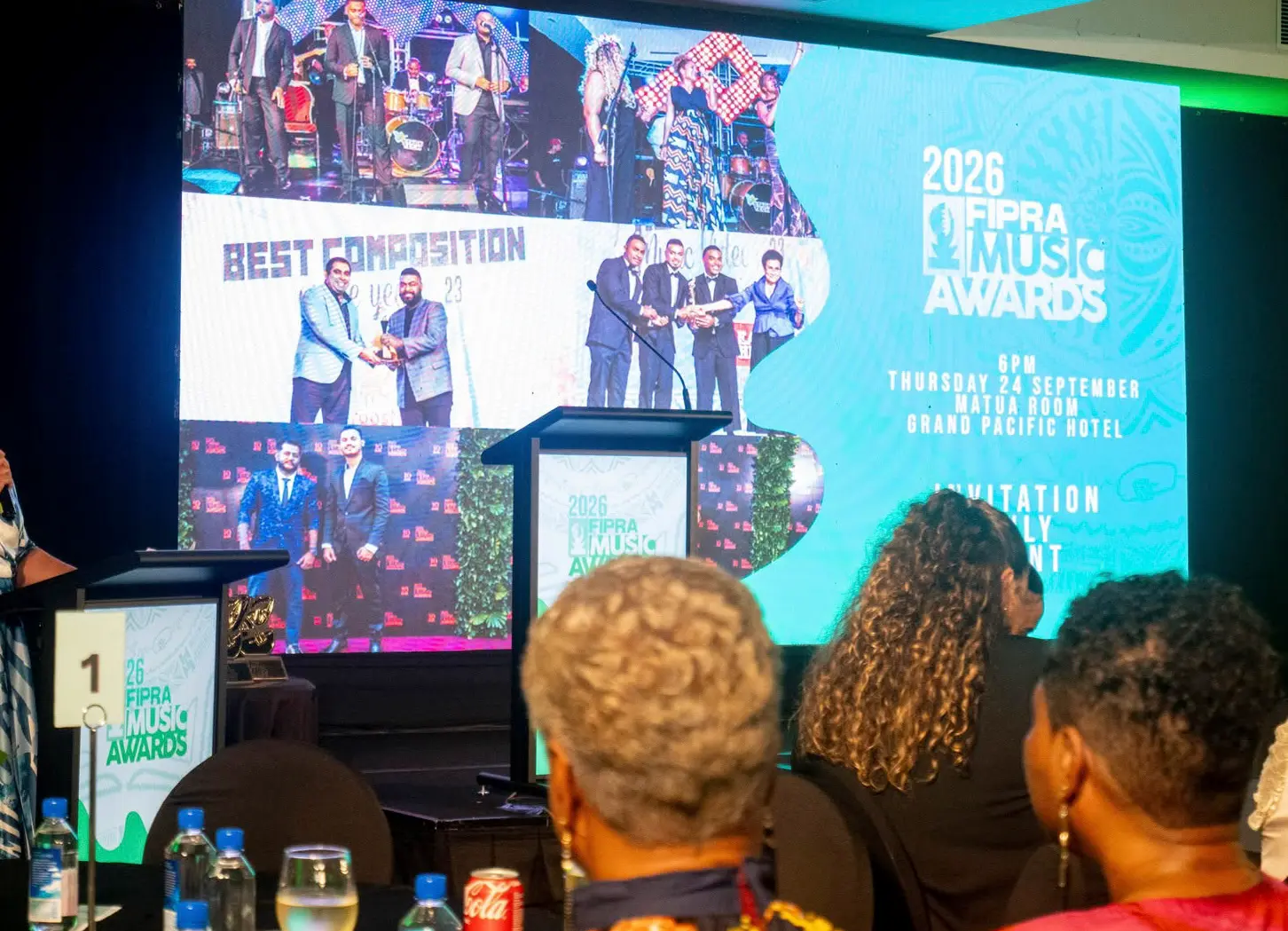
The Fiji Performing Rights Association (FIPRA) and the Psychiatric Survivors Association Fiji have called on the public to stop circulating a video showing a person in a vulnerable moment following the 2026 FIPRA Music Awards.
The Fiji Performing Rights Association (FIPRA) and the Psychiatric Survivors Association Fiji have called on the public to stop circulating a video showing a person in a vulnerable moment following the 2026 FIPRA Music Awards.
FIPRA appealed for the individual’s privacy and dignity to be respected after footage from the awards night was circulated.
The awards were held at the Grand Pacific Hotel in Suva on September 24.
Related stories
FIPRA chairman Isireli Gumatua said the organisation would not discuss the circumstances surrounding the incident.
“Out of respect for the individual’s privacy and dignity, we will not discuss the circumstances in detail,” said FIPRA Chairman, Mr Isireli Gumatua.
“We ask those who have received the footage not to share or repost it, and those who have published it to consider removing it. We also appeal to the public to avoid speculation, ridicule and hurtful commentary.”
Mr Gumatua said a vulnerable moment should not be treated as entertainment.
“A person’s vulnerable moment should never become a source of entertainment. We may not know what someone is going through, but we can choose to respond with kindness and protect their dignity.”
FIPRA said its focus remained on music and the people who create it, and called for the conversation following the awards to reflect unity, compassion and respect.
Mental health group raises concern
The Psychiatric Survivors Association Fiji (PSA) separately expressed concern about a video circulating on social media showing a person experiencing what it described as appearing to be “a period of significant distress”.
The organisation criticised the sharing of the footage and warned against making assumptions about the cause of a person’s behaviour.
“We need to ask ourselves: What does mental health advocacy actually mean if we only support people when they are well?”
PSA said people experiencing a relapse could behave in ways that were unusual or out of character and needed privacy, safety and appropriate support rather than being filmed.
“And please, let us stop automatically assuming that unusual behaviour means someone is using drugs.
“Not every mental health crisis is caused by drugs.
“Not every person experiencing a relapse is intoxicated.
“Making these assumptions without knowing the person's circumstances only adds stigma to an already difficult situation.”
The association also challenged individuals and organisations identifying themselves as mental health advocates to consider their response when someone was vulnerable.
“We cannot advocate for dignity on Monday and participate in humiliation on Tuesday.
“We cannot speak about ending stigma while sharing content that creates stigma.
“We cannot claim to support people with psychosocial disabilities and then turn someone's moment of crisis into entertainment.
“That is not advocacy.”
PSA urged people who had already shared the video to consider removing it and encouraged members of the public to protect the privacy of anyone experiencing a mental health crisis.
“A relapse should never become someone's permanent digital identity.
“Mental health advocacy is not what we say when people are well. It is how we treat them when they are at their most vulnerable.”
FIPRA said anyone needing assistance could contact its office on (+679) 3312494 or Lifeline Fiji on (+679) 2390237.