Fishers fear loss of livelihoods from proposed mining
Residents say harvesting of mussels, mud crabs and fish could be threatened by proposed development
Tuesday 10 November 2026 | 15:30
Updated 10 November 2026 | 16:36 FJT

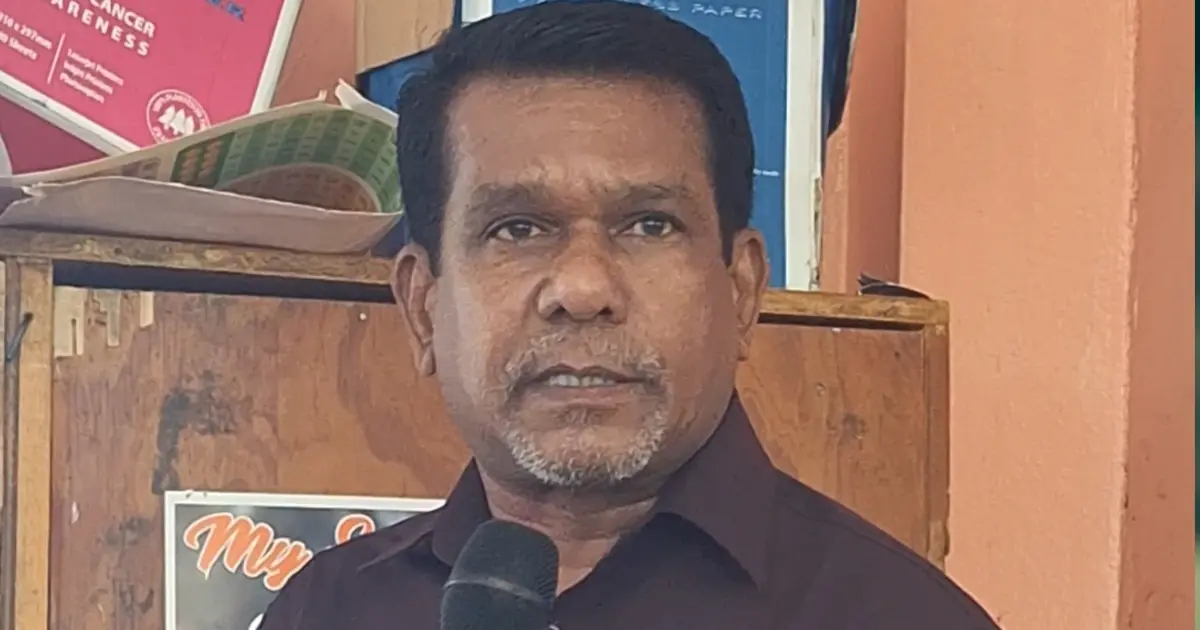
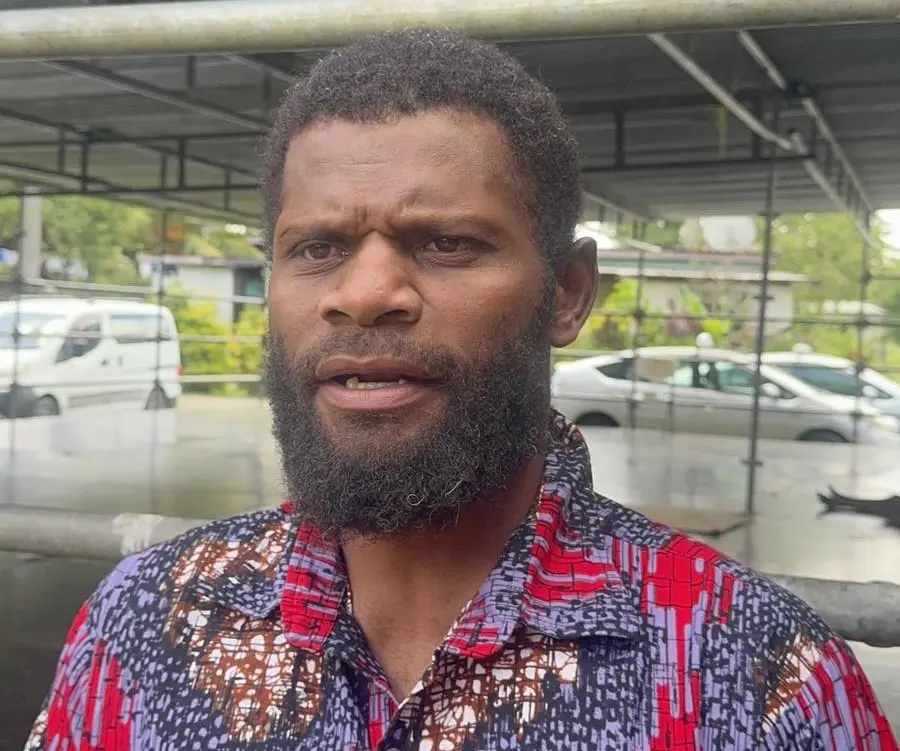
Sigatoka River Delta resident Raj Ratan raises concerns over the proposed Sigatoka iron sands mining project during the Environmental Impact Assessment (EIA) public consultation at Kulukulu Public Primary School in Nadroga on November 7, 2026.
Photo: Katherine Naidu.
Hundreds of families who depend on harvesting mussels, mud crabs and fish for their daily income could lose their livelihoods if the proposed Sigatoka Iron Sands Project proceeds.
Speaking at the Environmental Impact Assessment (EIA) public consultation for the proposed Special Prospecting Licence (SPL) 1495 – Kulukulu Sands, Sigatoka Iron Sands Project, at Kulukulu Public Primary School last Saturday, Sigatoka River Delta resident Raj Ratan said the proposal threatened communities dependent on marine resources.
Mr Ratan said families harvested marine resources from riverbeds and reef flats to sell at the Sigatoka Market.
Related stories
“This is their primary independent source of daily income,” he said.
“Economic displacement of women and youth; the mothers and youths of these villages harvest these marine resources to sell directly at the Sigatoka market.”
He said the income helped families meet essential household needs.
“The committee must acknowledge that I do not stand alone. The Department of Environment has officially received over 300 written objections and petitions bearing more than 10,000 signatures rejecting the mining project.”
Mr Ratan warned that disturbing riverbeds and seabeds could release heavy metals and fine sludge, potentially threatening marine life and seafood safety.
He also questioned whether the project’s economic benefits would outweigh the potential long-term costs to communities.
“The economic logic of this project is deeply flawed. The foreign investor extracts millions in primary wealth, while the minor royalties collected by the state cannot begin to cover the multi-million dollar future cost for village rehabilitation.”
His concerns were echoed by Adi Alisi Seniloli Lalabalavu of Mausara/Olosara, who recalled the effects of previous dredging near the Sigatoka River mouth.
“We had dead fish, crabs, you name it, all the fish that were from the river. The community could not sleep because of the smell, day and night,” she said.
Ms Lalabalavu said mangroves were destroyed and fishing activities stopped for three years before fish began returning.
“We are families of fishermen. And we're not the only ones that fish there. We have a lot of people that go fishing, even back to the deep.”
“Right now, if you go catch prawns, they're the prawns that we used to catch before; now, it took us almost six to seven or about nine years now. It took us that long,” she said.
Ms Lalabalavu said residents remained concerned about the potential effects of another major extraction project.