Pacific energy transition needs bigger, faster financing Climate change
Fiji's NDC 3.0 targets a 36 per cent reduction in energy-sector emissions below business-as-usual levels by 2035, while the Government is pursuing close to 100 per cent renewable grid-connected electricity by the same year.
Thursday 08 October 2026 | 12:00

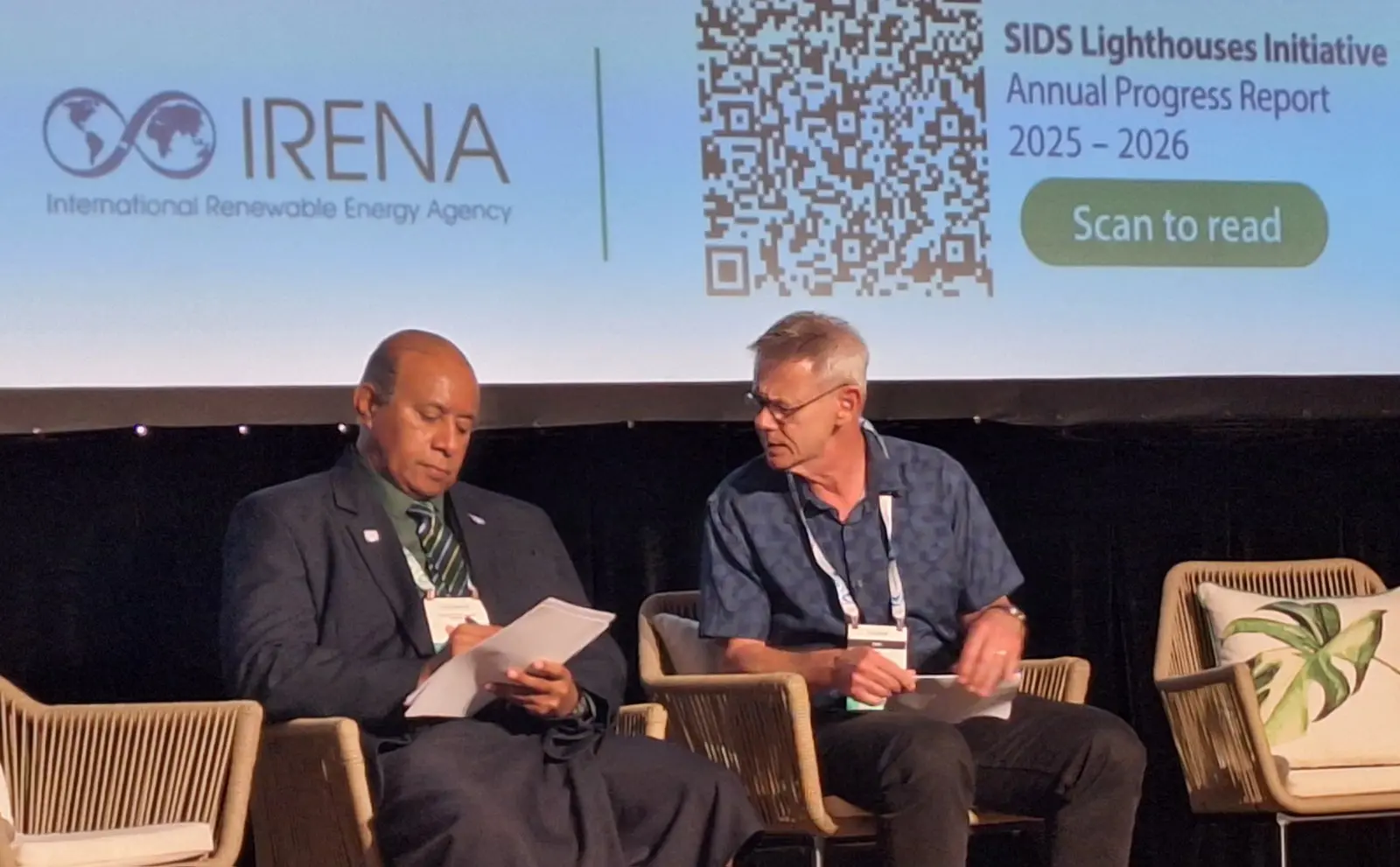
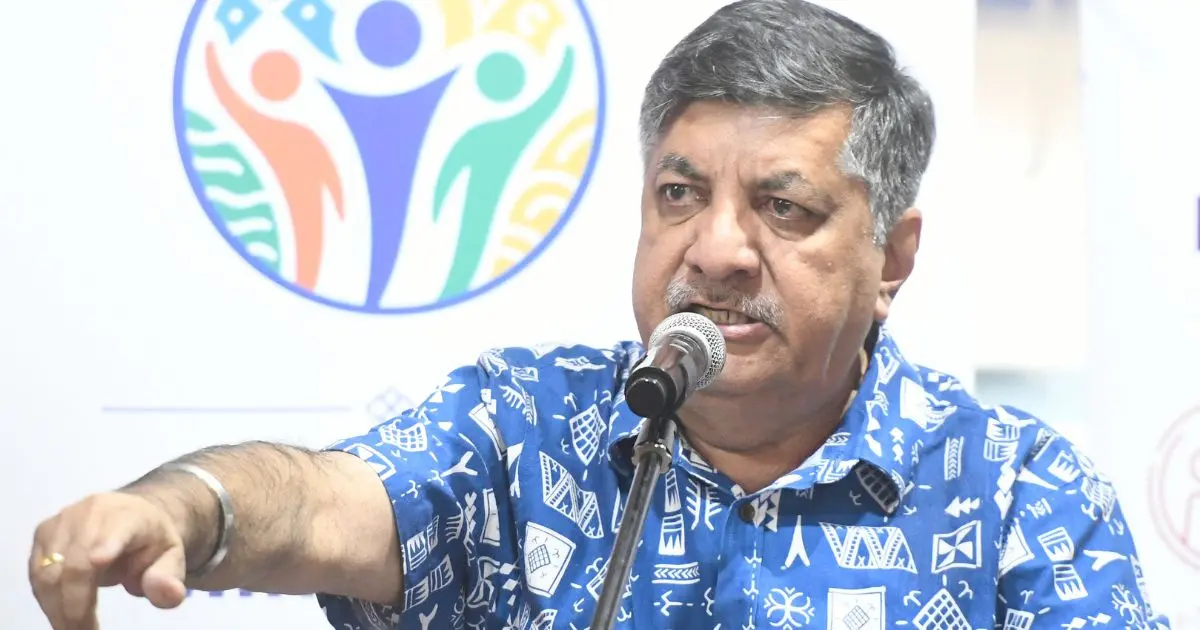
Minister for Public Works, Meteorological Services and Transport Ro Filipe Tuisawau (left) with Department of Climate Change, Energy, the Environment and Water Secretary Mike Kaiser.
Photo: Waisea Nasokia
Pacific Island countries need larger, faster and more accessible financing to turn ambitious renewable energy targets into bankable projects according to Minister for Public Works, Meteorological Services and Transport Ro Filipe Tuisawau.
Speaking at the Ministerial Dialogue: Unlocking Energy Transition Investments and Finance in Pacific SIDS during the Pre-COP31 programme yesterday, Ro Filipe said implementation was the region's biggest challenge.
"For Fiji, energy transition is central to both our climate ambitions and our development objectives," he said.
Related stories
Fiji's NDC 3.0 targets a 36 per cent reduction in energy-sector emissions below business-as-usual levels by 2035, while the Government is pursuing close to 100 per cent renewable grid-connected electricity by the same year.
The transition also covers road transport, domestic maritime transport and aviation.
Ro Filipe said Fiji's National Energy Policy 2023-2030 provides the framework for expanding renewable energy, improving energy efficiency and access, strengthening energy security and advancing low carbon transport.
He said Fiji had secured a US$1.2 million (F$2.7m) World Bank project preparation grant for the Fiji Energy Transformation Project.
Strengthening legislation
The project will support screening and pre-feasibility assessments for selected solar sites, assess upgrades to ageing hydropower assets and strengthen legislation to encourage greater private-sector participation in electricity.
Ro Filipe said strong project preparation, enabling regulations and affordable financing were critical to moving projects from concept to implementation.
"Across the Pacific region, Pacific small island developing states possess considerable renewable energy resources, clear national plans and ambitious climate and energy targets," he said.
"The challenge, therefore, is not a lack of ambition but closing the gap between ambition and implementation."
He identified limited project preparation capacity, high transaction costs, infrastructure constraints and difficulties accessing affordable, long-term finance as key barriers.
Closing the gap
Department of Climate Change, Energy, the Environment and Water Secretary Mike Kaiser said financing and investment would be central to closing that gap.
A A$7.29 million (F$11.42m) Pacific Renewable Energy Transition and Readiness package under the Australia-Pacific Partnership for Energy Transition.
The initiative will support a network of Pacific engineers and energy modellers to develop investmentready renewable energy pathways.
Mr Kaiser also announced the launch of a Climate Finance Access Plan aimed at simplifying financing procedures, scaling concept-stage funding and encouraging private investment.
He said successful energy investments must also strengthen data, modelling, planning, institutions and local skills.
"Without adequate financing and investment, the energy transition will not be possible," Mr Kaiser said.
He said Pacific countries must strengthen regional cooperation by combining demand, reducing costs and creating larger investment opportunities.
He said financing must be "accessible, affordable, fit for purpose, responsive and timely".
"This is the moment for action," Mr Kaiser said.
"The technology is available, the ambition is clear, and the financing is achievable. Now, we must rise to the occasion."