'Why are we still importing vegetables?' Professor challenges Fiji on food security
Professor Havea said Fiji was blessed with fertile land, knowledgeable people and abundant natural resources, yet continued to import large volumes of food while facing rising rates of diet-related diseases.
Wednesday 15 July 2026 | 07:00

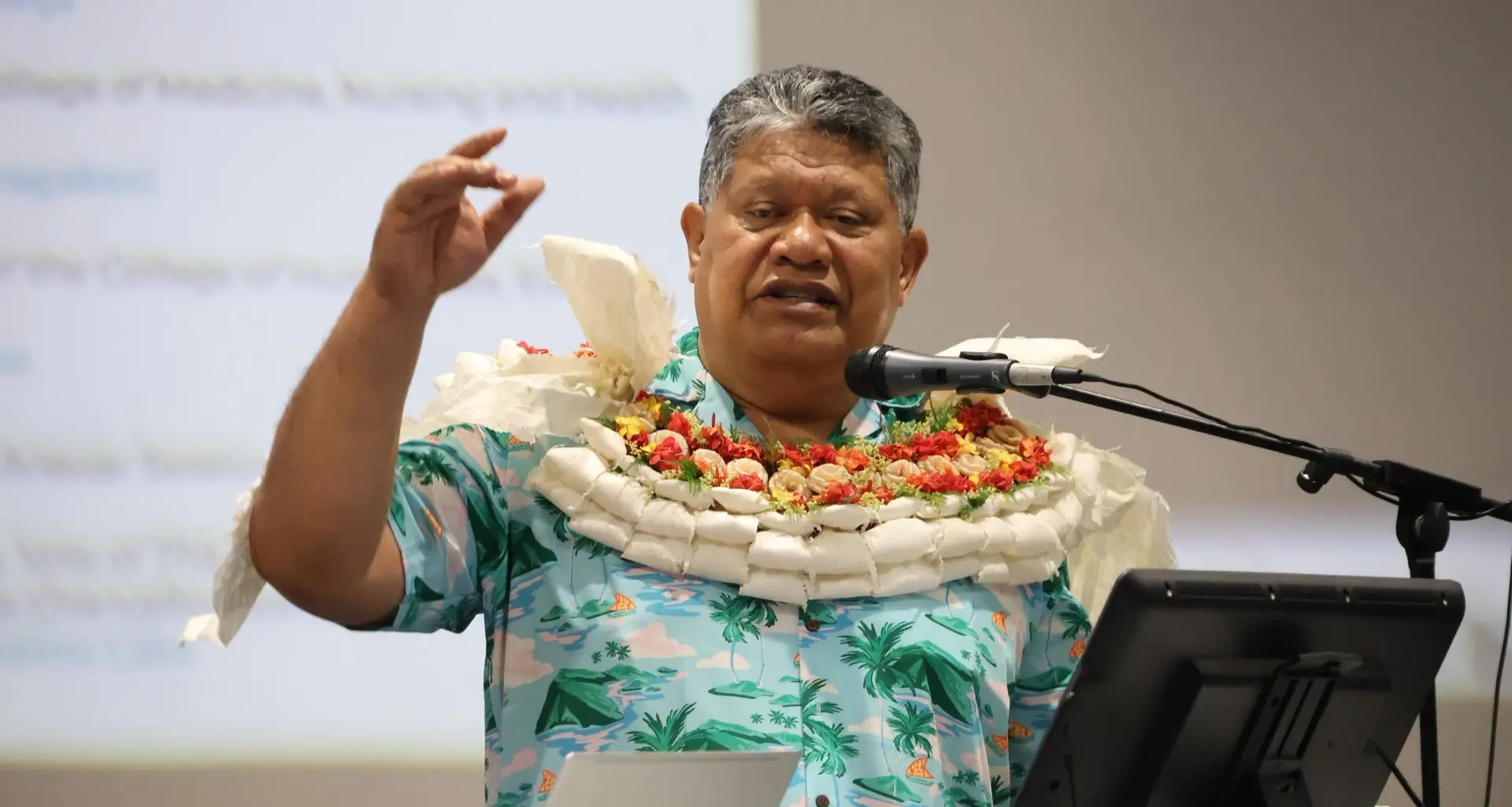
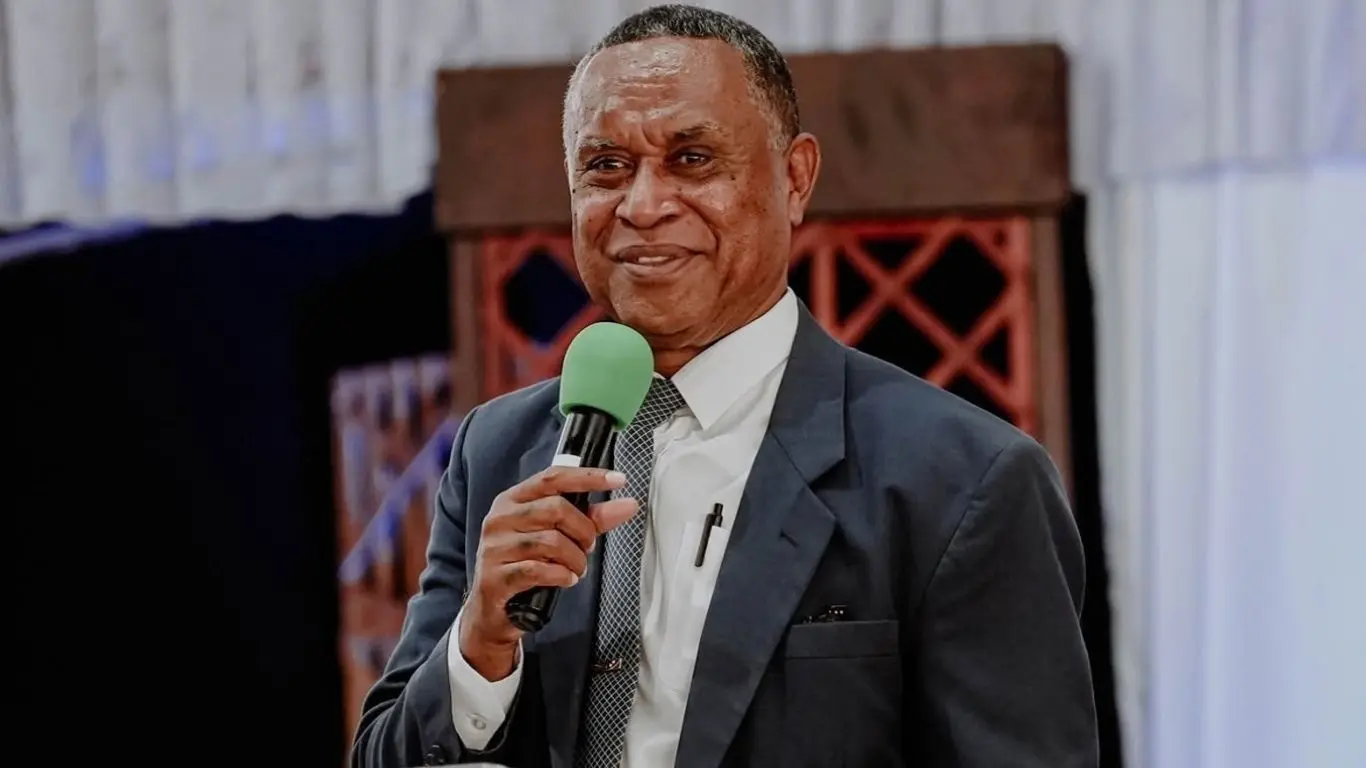
Massey University Dean Pacific, Professor Palatasa Havea.
Fiji National University
Fiji should not be importing vegetables when it has some of the Pacific's most fertile agricultural land, Fonterra scientist and Massey University Dean Pacific, Professor Palatasa Havea says.
Professor Havea made that statement while urging the Fiji National University (FNU) to lead research and innovation that will strengthen the country's food security and reduce its reliance on imported food.
Speaking at the University Visitor Programme seminar, The Science of Food: From Milk Protein to Food Security in the Pacific, at FNU's Nasinu Campus yesterday, Professor Havea said food security was not merely an academic issue but one tied to Fiji's survival, dignity and economic independence.
Related stories
"We should be ashamed of that because this is the most fertile land for vegetables. Why do we have to import vegetables? Why do we have to import lettuce?" he said.
Professor Havea said Fiji was blessed with fertile land, knowledgeable people and abundant natural resources, yet continued to import large volumes of food while facing rising rates of diet-related diseases.
He said universities must play a central role in reversing this trend by generating practical research, driving innovation and producing graduates equipped to solve real-world challenges facing Fiji's food system.
"Food security is not just an academic issue. It is about survival, dignity and sovereignty of the country," Professor Havea said.
He warned that Fiji and many Pacific Island countries were already showing signs of deeper weaknesses in their food systems, likening them to cracks appearing in a building because of a weak foundation.
"Unless we fix the foundation, we can never fix the problem," he said.
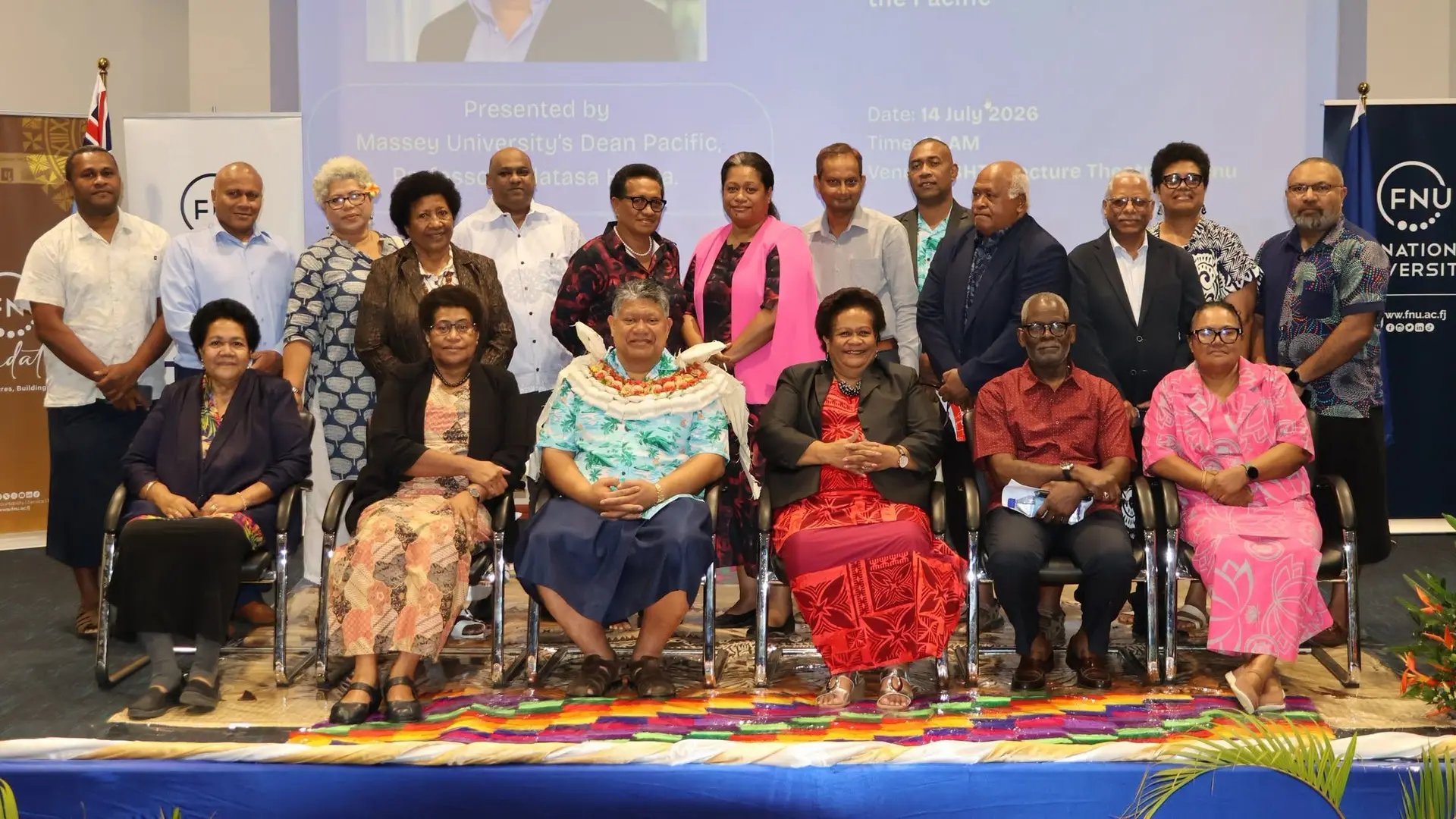
Professor Havea’s visit to FNU reflects the University’s continued commitment to strengthening regional partnerships, promoting knowledge exchange and creating opportunities for collaboration in areas critical to Pacific development.
Fiji National University
Professor Havea outlined the four pillars of food security — availability, accessibility, utilisation and stability — saying failure in any one area weakened the entire food system.
He said Fiji needed to plan not only for today's population but also for future generations by ensuring there would be sufficient, nutritious and affordable food for decades to come.
Professor Havea challenged universities to become engines of national development by creating knowledge through research, preserving indigenous knowledge, developing a skilled workforce and delivering practical solutions to national problems.
He said education should move beyond producing graduates with qualifications and instead produce graduates with practical skills that could be applied in agriculture and food production.
Professor Havea also called on universities to redesign their curricula to better reflect Pacific realities by focusing on sustainable farming, fisheries, food production, climate resilience and local environmental management.
He said indigenous knowledge of farming, fishing and natural resource management should also be preserved and integrated into research and teaching.
Professor Havea encouraged stronger partnerships between universities, governments, businesses and communities so research could better address national priorities while giving students practical experience.
He also urged young people to see agriculture as a profession offering leadership, innovation and business opportunities rather than one to avoid.
"The future of Pacific food security will not be determined by what we lack. It will be determined by what we choose to do with what God has already given us," he said.
FNU Vice-Chancellor Professor Unaisi Nabobo-Baba said the university was already undertaking major reforms as it marked its 15th anniversary.
She said the University Visitor Programme marked a new phase in FNU's development by bringing international academic leaders to help review programmes and guide future curriculum development.
Professor Nabobo-Baba said FNU was reassessing its curriculum to ensure graduates were equipped to meet the changing needs of Fiji and the wider Pacific.
"As a national university, we are very humbly suggesting that we are going to use the university to build our country and the Pacific," she said.
She said FNU remained committed to strengthening partnerships and advancing education and research that would contribute to a resilient, sustainable and food-secure future for Fiji and the Pacific.