Women entitled to paid breastfeeding breaks: Women’s groups
Submission highlights lack of facilities and unrealistic break times for breastfeeding mothers
Tuesday 10 February 2026 | 11:00
Updated 10 February 2026 | 18:39 FJT

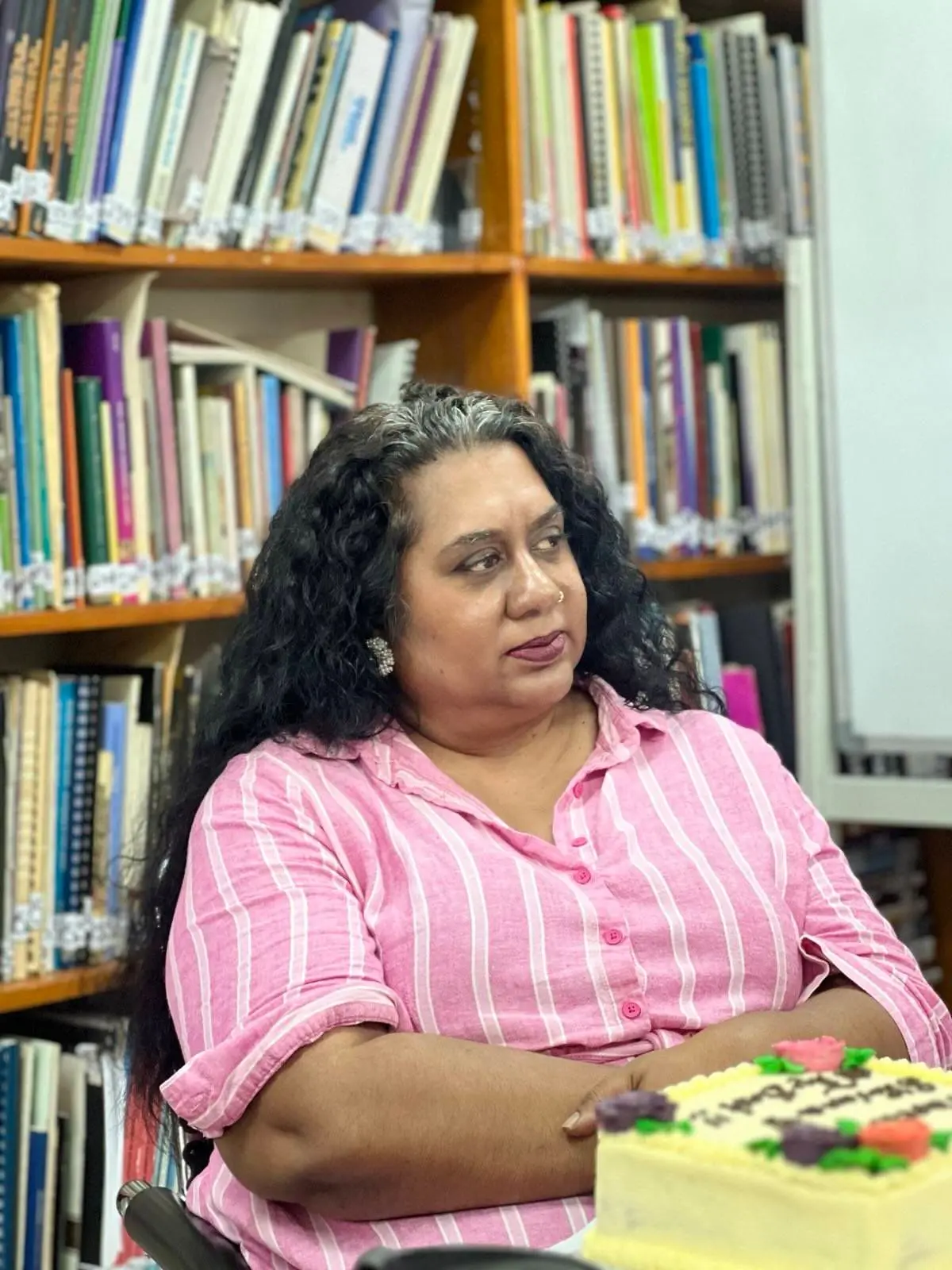
Fiji Women's Rights Movement executive director Nalini Singh.
Photo: FWRM
Women have a legal right to breastfeed their children during working hours, says the Fiji Women’s Rights Movement (FWRM).
The women’s rights group made the submission to Members of Parliament during consultations on the Employment Relations Amendment Bill 2025 yesterday.
FWRM executive director Nalini Singh said women returning to work after maternity leave are entitled to paid breastfeeding breaks, which should be counted as working time and not treated as a favour by employers.
Related stories
She said Fiji, as a signatory to International Labour Organization Convention 183 since 2012, is required to allow one or more daily breastfeeding breaks or reduced working hours, and to provide suitable facilities where possible.
However, Ms Singh said the reality for many working mothers falls far short of what the law promises.
“Most workplaces in Fiji do not have proper facilities for women to breastfeed or to express and safely store breast milk,” she said, adding that the proposed 30-minute break in the bill is often unrealistic.
She said many women need extra time to travel to where their children are being cared for, breastfeed and return to work. Stress, heavy workloads and a lack of privacy also make breastfeeding at work difficult.
FWRM urged lawmakers to strengthen the bill to ensure breastfeeding breaks are fully paid, reasonably timed and supported by proper facilities. It warned that without clear protections, working mothers are often forced to choose between their jobs and their children’s wellbeing.
Fiji Women’s Crisis Centre coordinator Shamima Ali strongly supported FWRM’s position, saying employers and Government must do more to support working mothers.
“Women should never be forced to choose between work and their children,” Ms Ali said.
“Employers should provide crèches for breastfed infants so mothers know their babies are safe and can breastfeed them when needed. If necessary, government should subsidise these services.”
She added that supporting breastfeeding at work is not only good for families, but also good for businesses.
Working mothers also echoed these concerns.
Ateca Sikomaibaravi, a cleaner from Lautoka and a mother of three, said proper breastfeeding support would make a big difference for women like her.
“Many of us work long hours and worry about our babies while we are at work,” she said. “If workplaces had safe spaces or childcare nearby, mothers would feel less stressed and could focus better on their jobs.”
Meanwhile, Litia Dolakeba, 23, who works as a waitress at a beauty and wellness shop in Nakasi, said young working mothers need stronger protection in the law.
“Breastfeeding is important for the baby, but many workplaces don’t understand that,” she said. “If the law is clear and strong, employers will have no excuse not to support mothers.”
Minister for Employment and Productivity Agni Deo Singh said he was unable to comment at this stage, as the bill is currently before the sector committee.
He said comments can only be made once consultations are completed and the bill is presented to Parliament.
The submissions were made as part of nationwide consultations on the Employment Relations Amendment Bill, which proposes changes to workplace rights and employer responsibilities.
Feedback: rariqi.turner@fijisun.com.fj