Editorial: Bridges that are still missing
A river tragedy continues to raise urgent questions about rural access
Wednesday 11 March 2026 | 07:00
Updated 11 March 2026 | 13:16 FJT

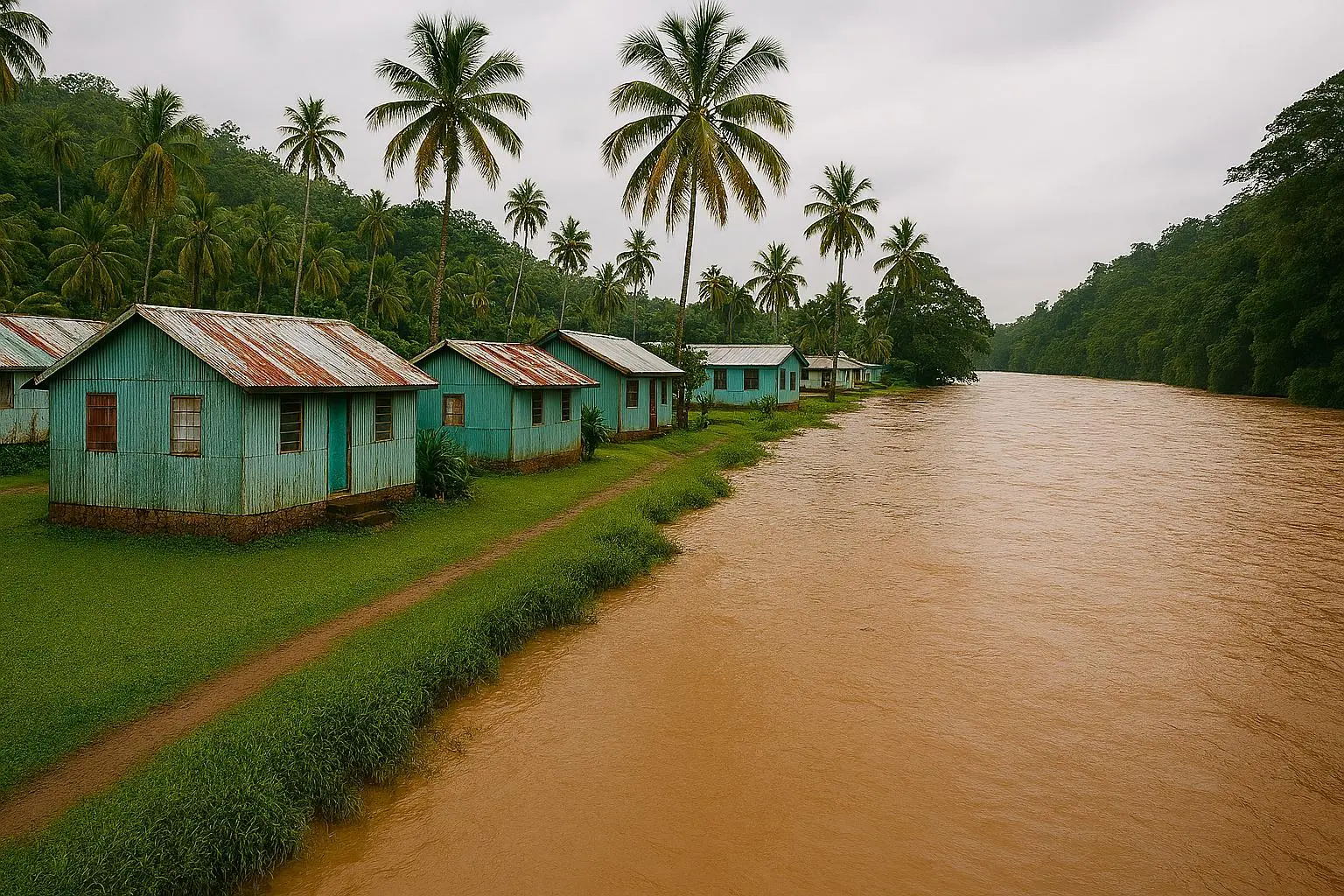
The death of a young Sabeto woman and the disappearance of her husband after they were swept away while crossing the Navilawa River has left a family grieving and a nine-month-old child without parents.
Their loss is deeply personal for relatives and the community. Yet it also highlights a wider issue that Fiji has struggled with for many years, the challenge of safe access in rural and interior areas.
In many parts of the country, villagers still cross rivers and streams to reach schools, markets, workplaces and health centres. During periods of heavy rain, these crossings can quickly become dangerous.
Related stories
This reality is well known to those who live outside major urban centres.
For families in remote communities, travelling from one place to another is not always as simple as using a sealed road or crossing a bridge. In some places, rivers remain the only route between villages and essential services.
When weather conditions worsen, that journey can become risky.
Incidents involving flooded crossings are reported from time to time, particularly during the wet season when rivers rise rapidly. Each tragedy renews an uncomfortable question: why are some communities still forced to rely on unsafe river crossings in a country striving for modern development?
Fiji is not alone in facing this challenge. Many Pacific nations struggle with the cost and difficulty of building infrastructure across rugged terrain and flood-prone areas.
But the need for safe and reliable access remains critical.
Bridges and proper access roads do more than connect villages. They allow children to reach school safely, enable farmers to transport produce to market, and ensure families can reach health services when needed.
They also reduce the risks that come with unpredictable weather and rising rivers.
As the country moves toward another general election next year, infrastructure promises will inevitably become part of political debate. When that time comes, voters will expect more than pledges.
Communities that continue to cross rivers in difficult conditions will be looking for long-term planning, practical solutions and steady investment in infrastructure that protects lives.
The tragedy in Sabeto is first and foremost a story of grief for a young family. But it is also a reminder that the question of safe access for rural communities remains unresolved.
And it is a question that deserves careful attention; not only in times of loss, but in the planning decisions that shape Fiji’s future.








