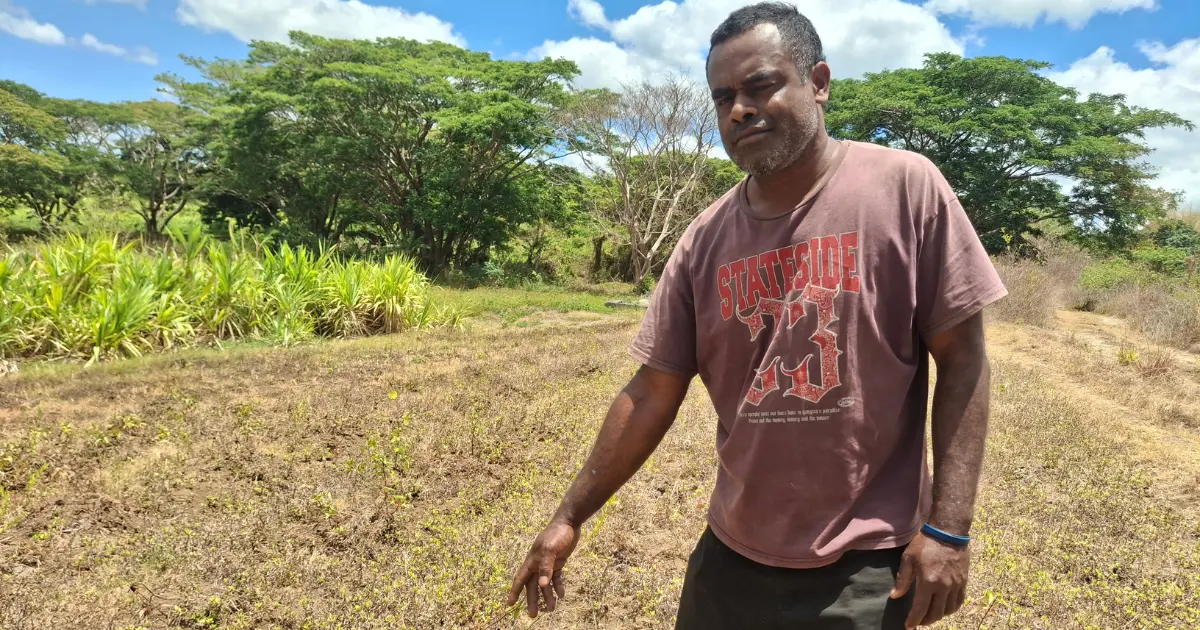
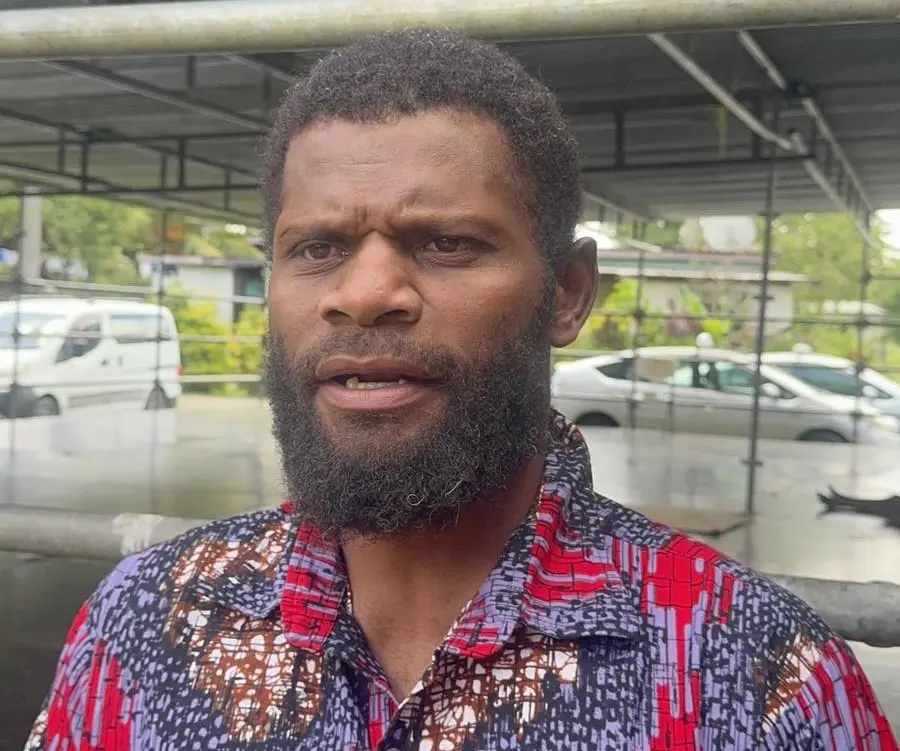
At 29, Isoa Nasova builds his future through farming
After years of farming to feed his family, 29-year-old Isoa Nasova is building a business and a future on his mataqali land in Waidroka.
Wednesday 11 November 2026 | 09:00
Updated 11 November 2026 | 10:59 FJT

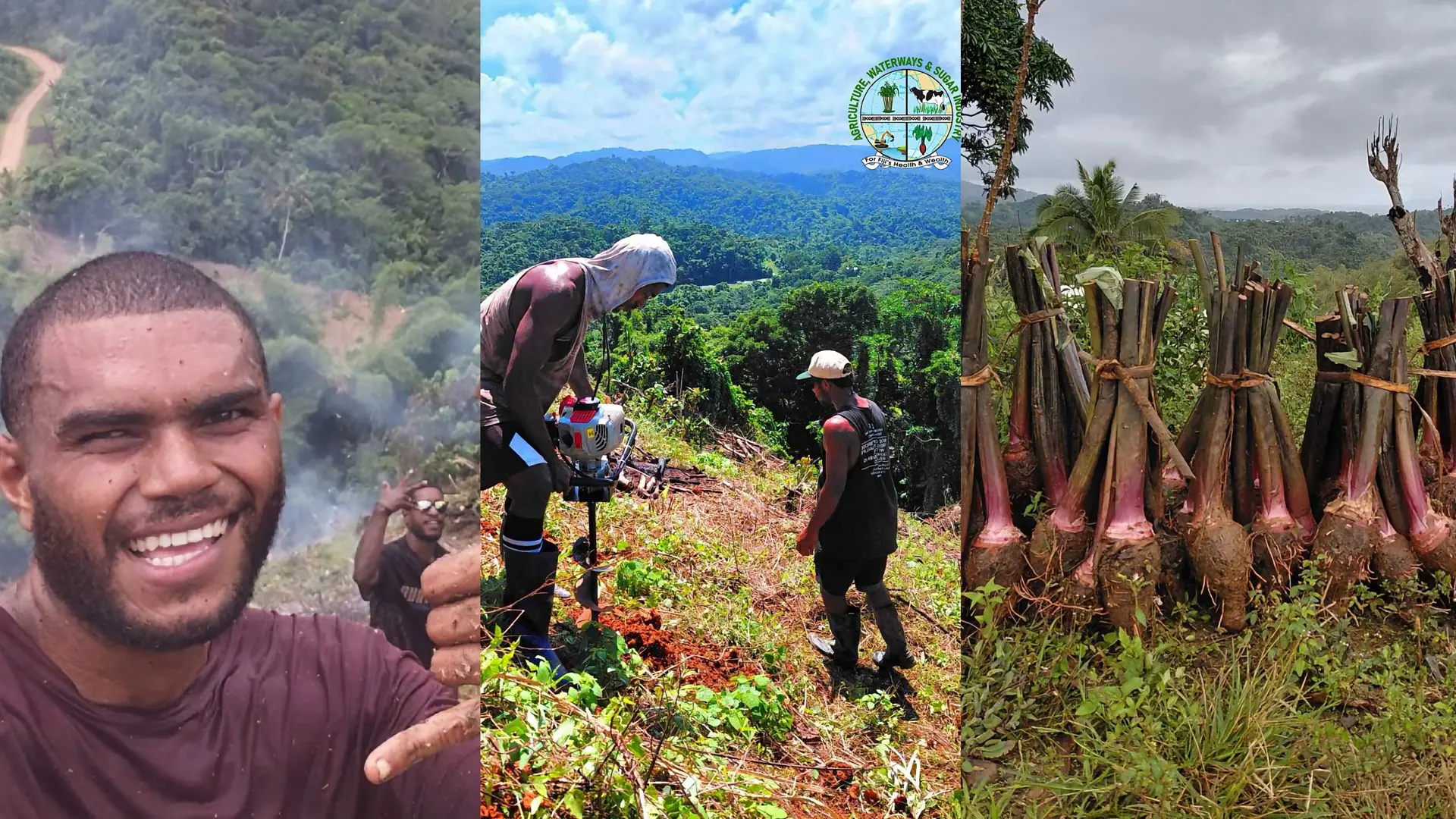
Five years ago, Isoa Nasova slept in a makeshift tent on his farm in the hills of Waidroka, along the Queen’s Highway.
After spending his days tending crops to feed his family, the tent was where he rested before another day of work.
Today, the 29-year-old has a farmhouse built with money earned from selling dalo.
Related stories
For Mr Nasova, the house is more than a place to sleep. It is a reminder of what he has achieved through farming and the sacrifices he made along the way.
“It reminds me that farming can reward hard work,” he said.
Originally from Serua Island, Mr Nasova farms on his Mataqali Raralevu land at Waidroka. His two-acre farm produces dalo, ginger, capsicum and cabbage.
Although farming has always been part of his life, it was only this year that he decided to turn it into a business.
“For four years I farmed mainly for home use and this year I decided to take it seriously as a business,” Isoa said.
A mother’s support
Behind Mr Nasova’s decision to expand his farm was the encouragement of his mother, Asena Maiwiriwiri. She believed in her son’s plans and helped him get started.
With her support, encouragement from other family members and assistance from labourers from Korovisilou, Mr Nasova began expanding his farming activities.
He now supplies produce to customers at the Sigatoka Market and motorists travelling along the Queen’s Highway. The income from selling dalo helped him build the farmhouse he now calls home.
It was an important achievement for a young farmer who once spent his nights in a tent after working on the land. But his progress has not come without challenges.
Working on difficult land
Farming on sloping land at Waidroka requires extra effort. Clearing land is difficult, while drainage remains a concern, particularly during wet weather.
Despite these challenges, Mr Nasova is determined to improve his farm. He hopes to hire a digger when needed and eventually save enough money to buy one.
Improving drainage is also among his priorities as he works towards increasing production. To make daily tasks easier, he uses a driller for planting dalo, a chainsaw and a brush cutter.
While the equipment helps reduce the physical workload, Mr Nasova has also recognised the importance of improving his farming knowledge.
He recently attended Farm Management Training, where he learned about keeping farm records and planning his operations.
Before attending the training, he had never maintained farm records. “I’ve learned a lot and I’m happy because now I know how important farm records are,” he said.
Help along the way
Mr Nasova’s farming journey has also been supported by the Ministry of Agriculture’s Serua/Namosi team.
The team provided ginger planting materials, technical guidance and training opportunities to help him improve his farming practices.
He also received fertiliser assistance from the Adventist Development and Relief Agency (ADRA), which supported the development of his crops.
These contributions, together with the encouragement of his family, have helped him continue building his farming business.
A future on the land
For Mr Nasova, farming is no longer just about growing food for his family’s table. It has become a source of income and an opportunity to build a future on his mataqali land.
Although the work remains demanding, he continues to learn from the challenges he faces.
“Do what you love and give it your best, I want to see where farming can take me, with each passing day I learn something new,” he said.
He believes other young people and landowners can also find opportunities through agriculture. “If people can become millionaires through farming, then young people and landowners can do it too.”
Mr Nasova still has plans to improve his farm, invest in machinery and increase production. But one of his greatest achievements is already standing on the land he works.
It is the farmhouse built from his dalo earnings, replacing the tent where he once slept. For Mr Nasova, it is proof of how far farming has taken him — and a reason to keep going.