Judge questions contract killing theory in double murder trial
Court probes evidence behind prosecution claims as trial of Osea Mataitoga continues.
Wednesday 04 November 2026 | 15:30
Updated 04 November 2026 | 17:04 FJT
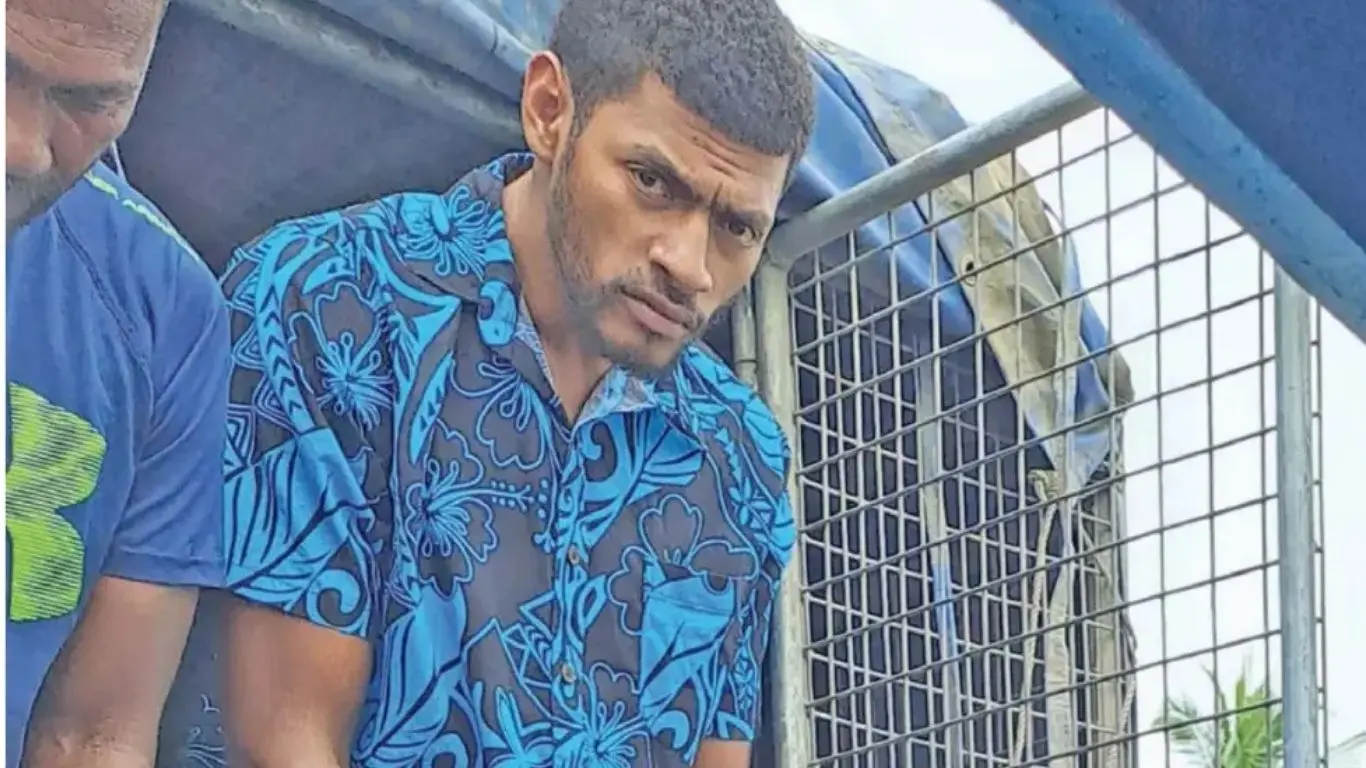
Questions over an alleged contract killing took centre stage in the double murder trial of Osea Mataitoga, 27, after the judge challenged the prosecution over the evidence supporting its theory.
Mataitoga is standing trial before Justice Lee James Burney over the deaths of Sesha Reddy and his wife, Mirdu Chandra, whose bodies were found at their property near Lawai, Sigatoka, on February 2, 2021.
He faces two counts of murder and one count of robbery. He has pleaded not guilty to all charges.
Related stories
The prosecution alleges Mataitoga was hired to kill the couple. However, the judge questioned the basis of the claim, particularly the lack of an investigation into the alleged hirer, identified in court as Regineel, and whether he had the financial means to pay for the killings.
State prosecutor Michelle Lomaloma told the court that police background checks on Regineel found he did not have sufficient funds to pay for a contract killing.
The judge also questioned the circumstances surrounding the alleged attack, including why Mataitoga would have searched for liquor and other valuables if his primary intention was to kill the victims.
Ms Lomaloma told the court that Mataitoga allegedly entered Reddy's bedroom and found him asleep before moving to another room, where he encountered Chandra.
The prosecution alleged that Mataitoga punched and kicked Chandra before she could raise the alarm.
The court also heard that Mataitoga allegedly admitted during police interviews that he had visited the couple's property, interfered with its power supply and tampered with security cameras.
The prosecution further alleged that he entered the property through a window on the day of the incident.
The first prosecution witness called today was Fiji Police Force Forensics Pathology Unit head, Dr James Kalougivaki.
His post-mortem findings detailed severe injuries suffered by both victims, including fractures to their jaws, ribs and nasal bones.
Dr Kalougivaki attributed the injuries to blunt force trauma, with head injuries identified as the immediate cause of death.
The bodies were found in an advanced state of decomposition, which complicated the forensic examinations.
The defence challenged aspects of the forensic evidence, questioning the strength of human bones and how age could affect their brittleness.
The court also heard that the couple's house girl discovered the bodies days after their deaths. She reportedly noticed flies and a displaced gas cylinder at the property.
Police were contacted after the bodies were discovered.
The handling of the couple's missing phone also came under scrutiny after it was later found in the possession of Mataitoga's sister.
The judge questioned why police had taken so long to investigate the phone and noted that Mataitoga was arrested more than a year after the incident.
The judge also raised concerns about unusual circumstances surrounding the case, including Mataitoga's request to have his confession video-recorded.
The trial continues, with the prosecution and defence disputing the alleged motive, the sequence of events and the evidence against Mataitoga.