92 communities without water as drought crisis deepens
WAF reported that approximately 61.36 per cent of monitored water sources have reached critical levels.
Wednesday 25 November 2026 | 10:00

Permanent Secretary for Rural and Maritime Development and National Disaster Control Mitieli Cama revealed the figures during an update on Government's national drought response last night.
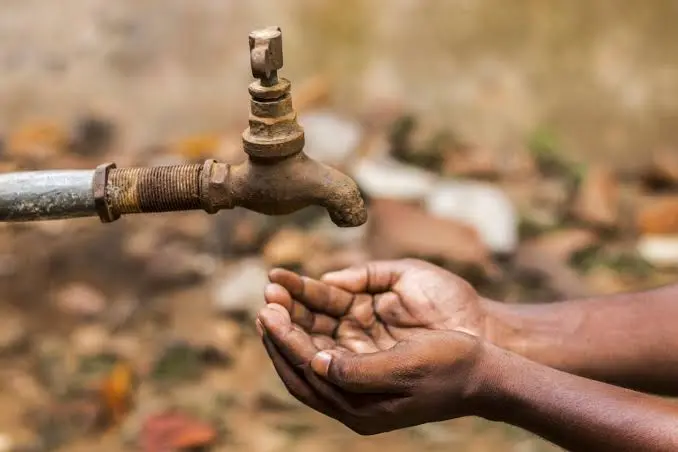
Ninety-two communities across Fiji are without water supply, while another 372 are experiencing critical water levels as the El Niño drought continues to place pressure on the country's water resources.
Assessments conducted by the National Disaster Risk Management Office (NDRMO) across 733 communities also identified 244 communities approaching critical water levels.
Permanent Secretary for Rural and Maritime Development and National Disaster Control Mitieli Cama revealed the figures during an update on Government's national drought response last night.
Related stories
The Water Authority of Fiji has also reported that approximately 61.36 per cent of monitored water sources have reached critical levels.
“This is a significant concern and highlights the urgency of our response,” Mr Cama said.
“These figures demonstrate the scale of the challenge before us.”
Government agencies, with support from partners, are accelerating emergency water carting, borehole activation, alternative water sources and water treatment initiatives to restore access to safe drinking water.
Mr Cama said emergency operations centres at national and sub-national levels would remain the central coordination points for Government agencies, non-governmental organisations and individuals providing assistance.
This is intended to ensure effective resource allocation, avoid duplication of assistance and minimise harm to communities.
Particular attention is being given to remote communities and vulnerable populations.
“I also wish to reassure affected communities that the government, through the NDRMO, NEOC, and relevant agencies, is working to ensure that assistance is prioritised according to the verified needs and severity of the situation.”
Mr Cama urged households to prioritise water for drinking, cooking and essential hygiene and report serious water shortages to the relevant authorities.