Food supplies remain stable despite dry spell: Agriculture Minister
Government assistance is being rolled out as authorities monitor drought conditions expected to continue into next year.
Wednesday 11 November 2026 | 11:30

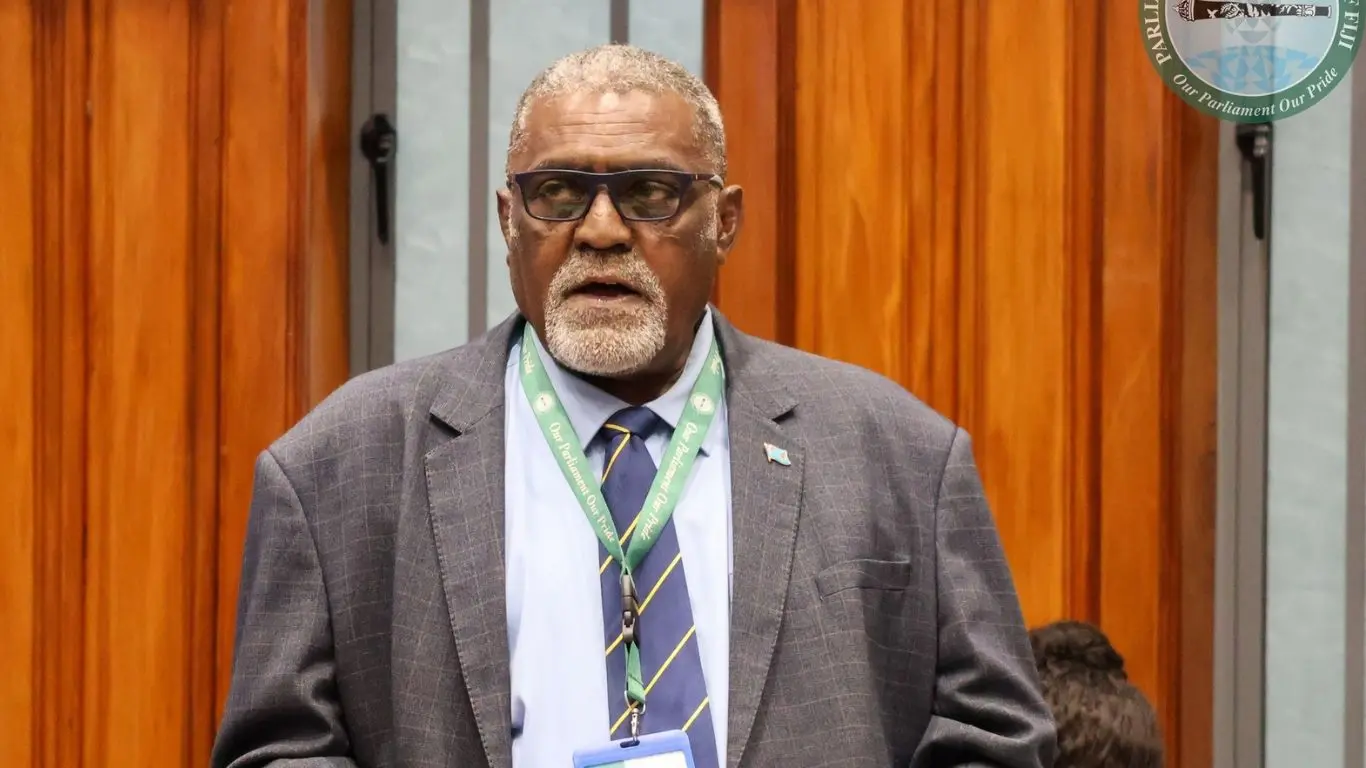
Minister for Agriculture Tomasi Tunabuna in Parliament on November 5, 2025.
Photo: DEPTFO News
We still have a lot of food available. There’s still a lot of vegetables in the markets.”
That is the message from Agriculture Minister Tomasi Tunabuna, who says the El Niño dry spell has not yet affected food supplies in Fiji.
Mr Tunabuna said his ministry was monitoring the situation through regular contact with farmers and checks on produce available in the markets.
Related stories
“There’s still a lot of positive indication that we’re still managing very well,” he said. He said farmers had been advised months ago to prepare for the dry spell.
“As compared to Hurricane, for El Niño we had quite a lot of time for us to communicate on what we should be doing,” he said.
“The response from farmers is very positive.”
Uncontrolled burning a concern
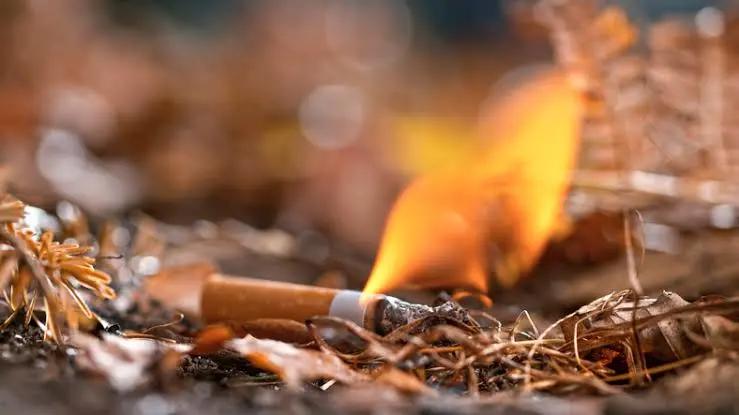
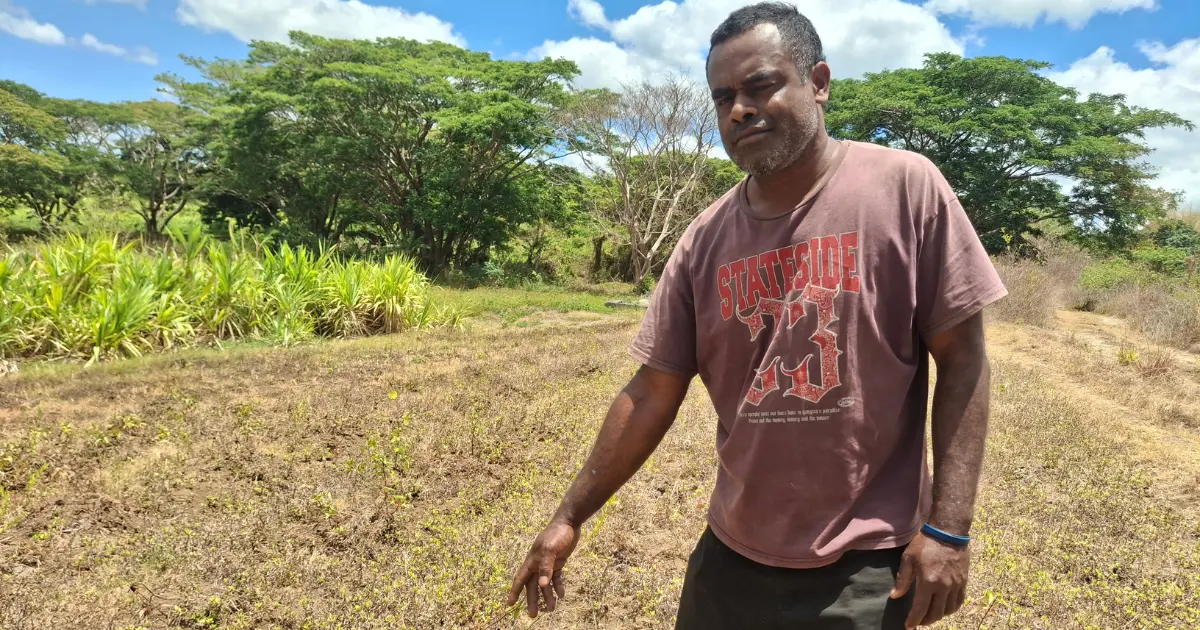
Mr Tunabuna said the bigger problem was uncontrolled burning in the Western Division. “That’s contributing to a lot of damage on our farms,” he said.
He said the fires were not caused by farmers managing their land.
Sugarcane farmers were “simply very worried about how slow they will recover” because the fires occurred during a period of very dry weather.
The ministry had advised farmers not to burn this year, as leaving crop material on the land could help the soil retain moisture.
“I don’t know what intention, but it’s creating a lot of problems for our farmers.” Ministry officials will meet today to discuss issues affecting the sugarcane sector and other matters.
Assistance for farmers
Mr Tunabuna said water tanks had already been distributed across the main islands.
Water pumps for irrigation and pipelines would be sent out once the situation reached a critical point.
Farmers were currently unable to plant, so the ministry had started purchasing planting materials to support rehabilitation.