Pregnant women removed from UN missions, gender report finds
Gender assessment recommends policy review after identifying unequal treatment of pregnant personnel and mothers selected for overseas deployments.
Thursday 09 July 2026 | 11:30

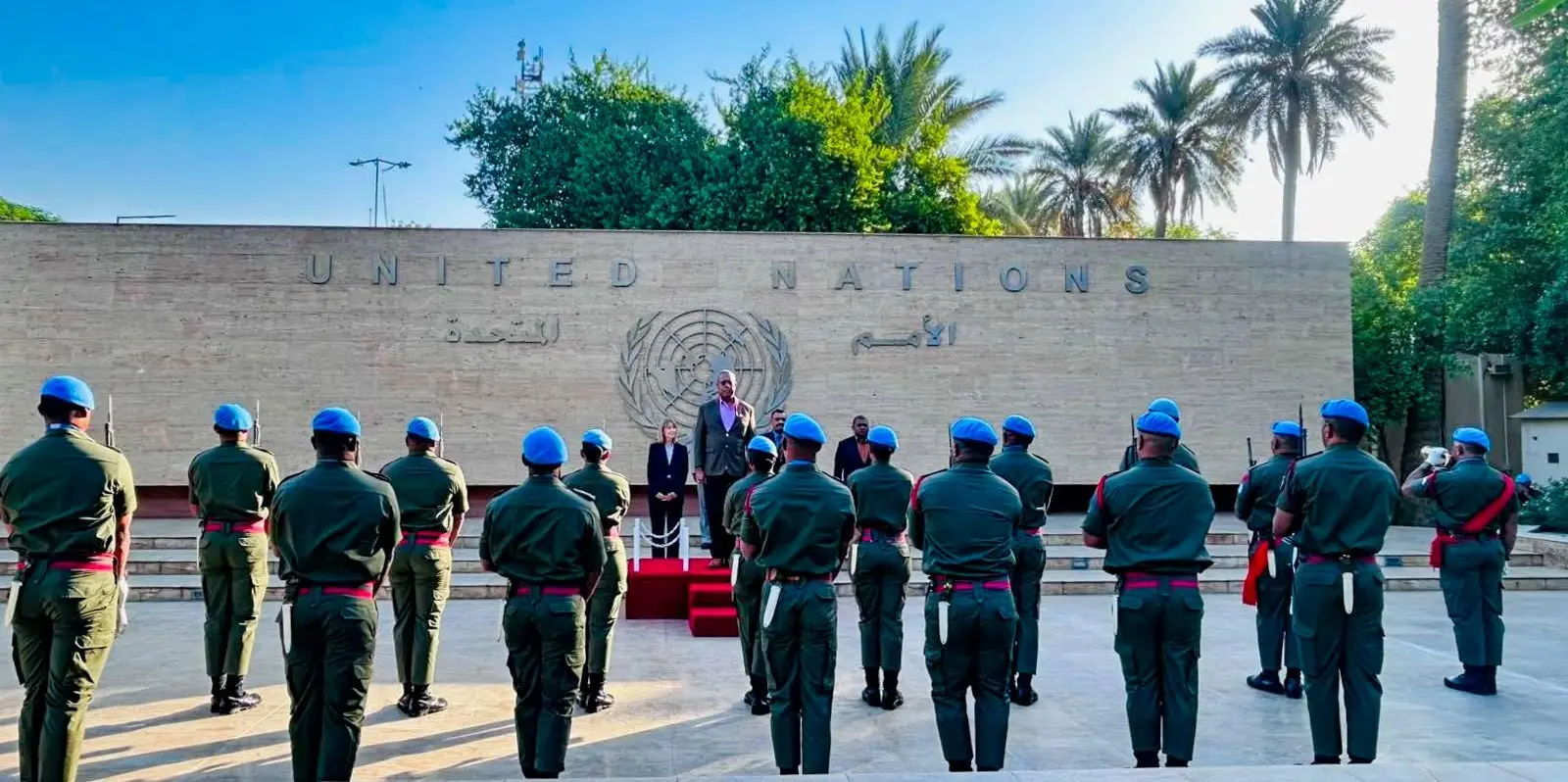
An independent gender report urges RFMF to review pregnancy policy for UN deployments.
Women in the Republic of Fiji Military Forces (RFMF) who become pregnant before or during a United Nations deployment are removed from their posting, while men face no equivalent consequence for the same pregnancy, according to a new gender assessment.
The 2026 Measuring Opportunities for Women in Peace Operations (MOWIP) assessment, conducted by Ethos CRS and the DCAF Geneva Centre for Security Sector Governance, described pregnancy-related removal from deployment as "a recurring problem" within the force.
The report said personnel selected for deployment must undergo pregnancy testing before departure.
Related stories
A key decision-maker interviewed for the assessment said a woman who tested positive would be replaced and would not deploy because the RFMF "can't afford to have someone pregnant" on mission.
Researchers found women were automatically identified when a pregnancy occurred, while establishing a man's involvement required a formal investigation.
The report also described an unofficial practice preventing mothers of children under 12 months from deploying, a restriction that did not apply to fathers.
It found that 88 per cent of women considered breastfeeding facilities within the RFMF inadequate, while only 20 per cent believed women felt comfortable breastfeeding or expressing milk at work.
The report noted that the RFMF provides 98 days of paid maternity leave for a woman's first three children, with women returning to their previous position and seniority afterwards.
Most personnel also reported access to flexible working arrangements, including the ability to leave work during family emergencies.
Researchers recommended the RFMF review its pregnancy-related deployment policy and ensure affected personnel are treated with dignity and respect.