Prolonged dry spell drives up island water delivery costs
Mr Lewaqai said delivering emergency water to remote maritime communities and outer islands had become one of the Government's most resource-intensive operations.
Thursday 12 November 2026 | 08:00

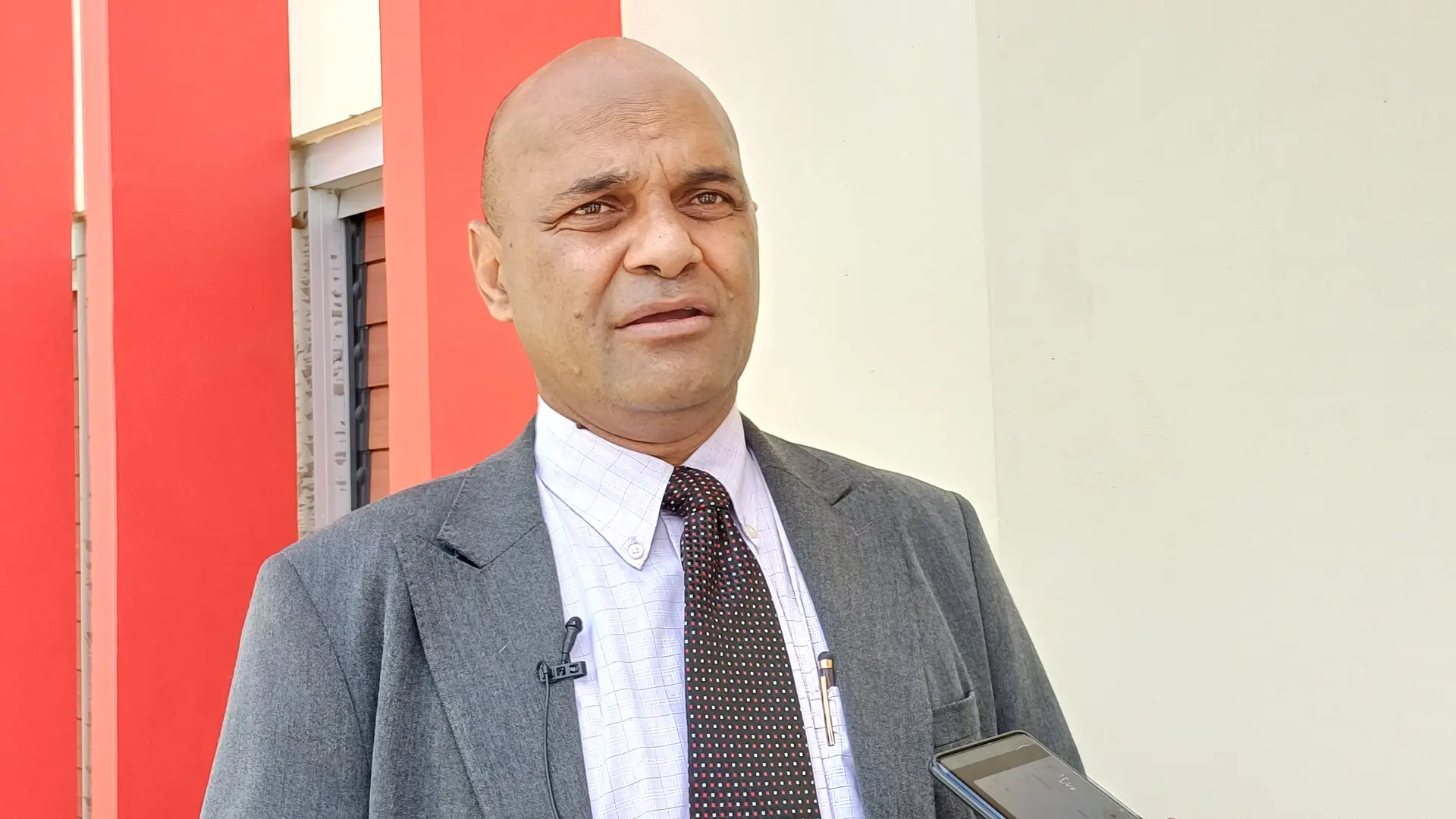
Commissioner for the Western Division and Acting Commissioner for the Northern Division Apolosi Lewaqai in Labasa on November 11, 2026.
Photo: Shratika Naidu
Emergency water deliveries to Fiji's maritime communities are placing a significant financial burden on the Government as a prolonged dry spell continues to threaten water supplies across the country.
Commissioner for the Western Division and Acting Commissioner for the Northern Division Apolosi Lewaqai has urged communities to conserve water, warning that supplies could become critically low during the Christmas and New Year period.
"The dry spell has heavily affected the Northern and Western divisions, drying water sources, exhausting rainwater tanks and placing pressure on the Water Authority of Fiji and the Ministry of Rural and Maritime Development," Mr Lewaqai said.
Related stories
Costly maritime deliveries
Mr Lewaqai said delivering emergency water to remote maritime communities and outer islands had become one of the Government's most resource-intensive operations.
"A single return maritime water-carting trip to island groups such as the Yasawa Islands, Malolo and Vatulele in the West can cost up to $90,000," he said.
"Vessels transport thousands of litres of drinking water to schools, health centres and communal storage tanks before returning to the mainland to replenish their supplies."
He said the Government was using its current budget allocation to refill water tanks on the islands, with vessels returning to the mainland to replenish their supplies.
Each trip prioritises essential services, including schools, hospitals and community health centres.
Drinking water used to fight fires
The prolonged dry spell has also raised concerns about competing demands for limited water supplies.
Emergency teams have recently encountered situations where water stored in communal tanks for drinking was used to extinguish bushfires and structural fires.
While authorities acknowledged the need to protect lives and property, Mr Lewaqai stressed that fire prevention and community awareness were essential to conserving water.
“Awareness is very important for communities such as how can we prevent fires in the first place," he said.
“We can't just be waiting for fires to burn and using drinking water to put them out when those water supplies are critical for basic survival.”
Calls to reduce water use
With the festive season approaching, authorities expect water demand to increase as communities hold gatherings, weddings and other functions.
The public is being urged to postpone non-essential gatherings or reduce activities that require large amounts of water.
"We are aware water shortages are also affecting household routines, with some families facing disruptions lasting several days," he said.
"The staff of Water Authority of Fiji are working tirelessly to help people."
Preparing for the months ahead
Meteorologists have indicated that the effects of El Niño could continue into the first quarter of next year.
Mr Lewaqai said occasional rainfall might not be sufficient to replenish depleted groundwater sources and rivers.
"Schools have so far continued examinations without disruption, with water carting prioritised for educational institutions."
However, communities are being urged to prepare for continued water restrictions and emergency deliveries into the new year.
Mr Lewaqai advised households to prioritise