Schools urged to climate-proof water supplies amid drought
Health inspector says drought and water shortages are creating growing challenges for schools across Vanua Levu.
Tuesday 24 November 2026 | 16:30

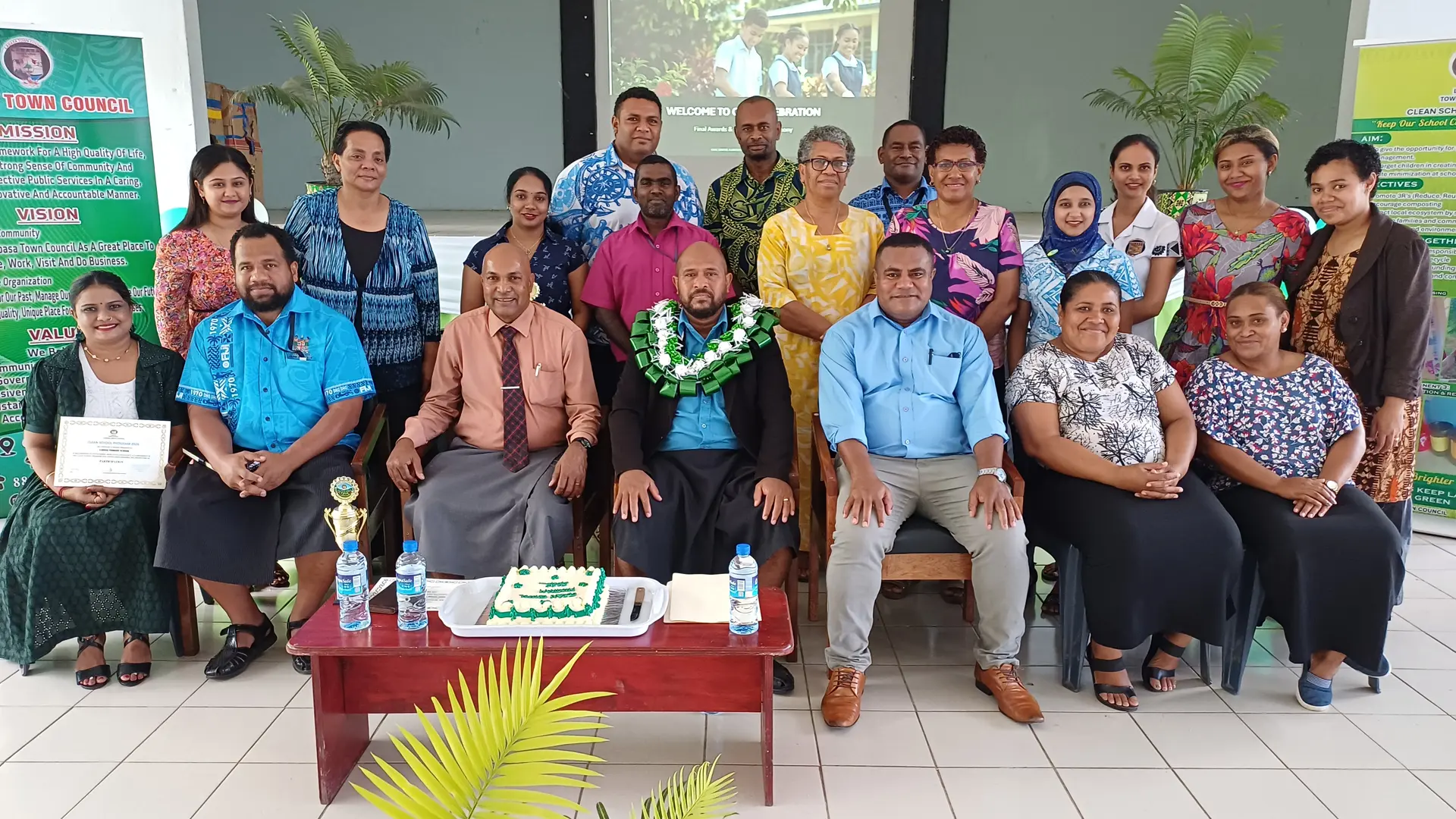
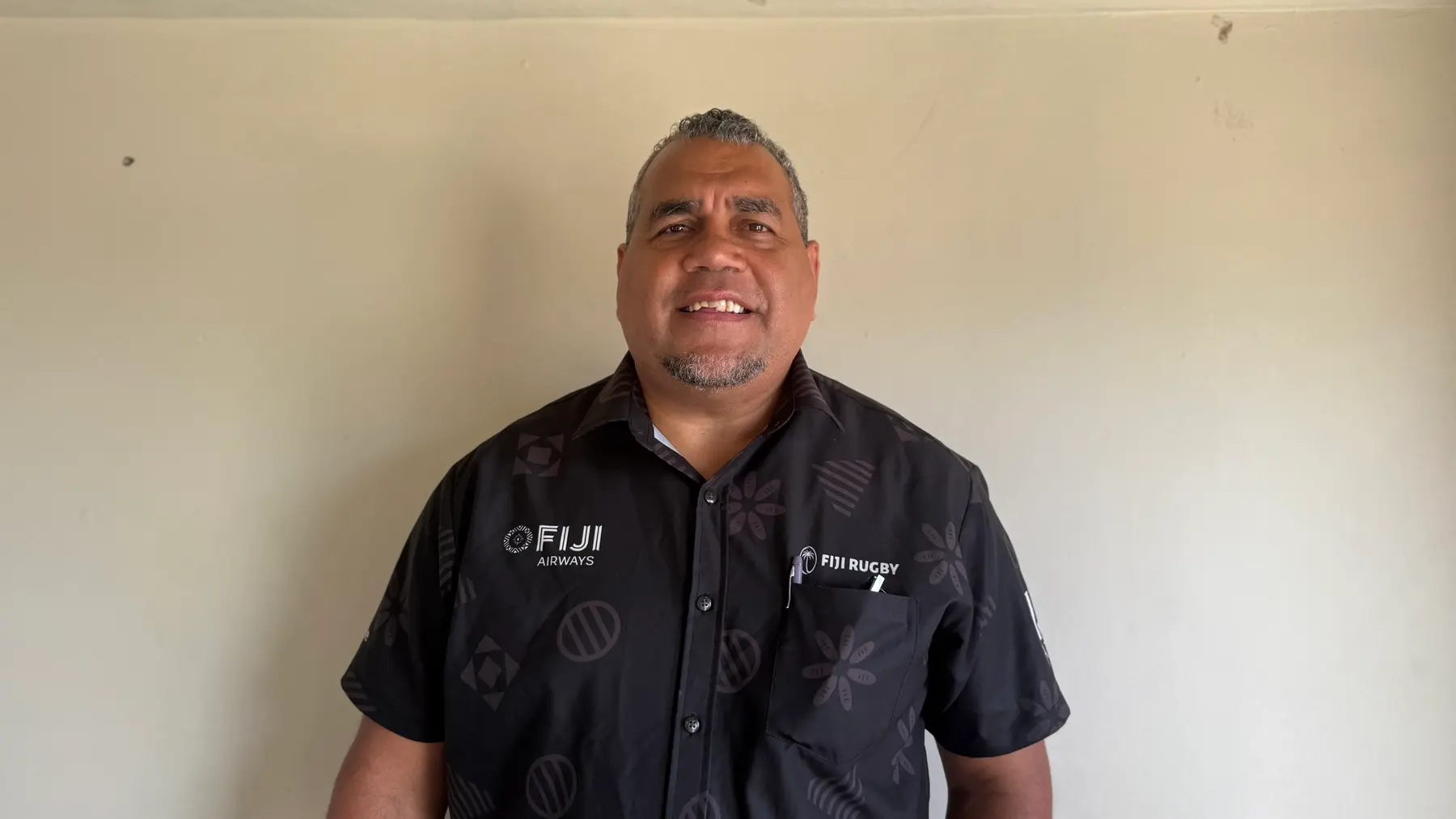
Ministry of Health and Medical Services Divisional Health Inspector for North, Vakaruru Cavuilati (garland) with teachers and invited guests at Civic Centre in Labasa on November 24, 2026.
Photo: Shratika Naidu
Schools across Vanua Levu have been urged to strengthen water conservation measures and improve sanitation systems as drought conditions linked to El Niño continue to affect communities in the North.
Speaking during a clean school programme organised by the Labasa Town Council at the Labasa Civic Centre today, Ministry of Health and Medical Services Divisional Health Inspector for the North Vakaruru Cavuilati said prolonged dry conditions were creating significant challenges for schools.
“In the Northern Division and particularly in Labasa and surrounding communities, drought is becoming a serious concern,” Mr Cavuilati said.
Related stories
“For our schools, this presents a significant challenge. Water is essential for drinking, preparing food, washing hands, cleaning classrooms and maintaining toilets.
“When water becomes scarce, the responsibility of maintaining proper hygiene and sanitation becomes even more challenging.”
Mr Cavuilati said teachers and school leaders had a critical role to play in helping students understand the importance of conservation during the drought.
“You are also role models, mentors and leaders who shape the attitudes, discipline and behaviours of our future generation,” he said.
“During this El Niño, I encourage every teacher and school leader to become an advocate for water conservation and environmental responsibility.
“Teach students to value every drop of water.”
He said students should be encouraged to turn off taps when not in use, report leaking pipes, avoid unnecessary wastage and protect school water facilities while continuing to practise proper hygiene.
With only a few days remaining before schools close for the year, Mr Cavuilati urged teachers to ensure drought conditions did not compromise drinking water safety, handwashing and sanitation standards.
He said water tanks should be properly maintained, stored water protected from contamination and toilets kept clean and functional.
“We must remember that water conservation is important but safe water, sanitation and hygiene must never be neglected,” he said.
Mr Cavuilati said climate change was increasing the need for schools to prepare for environmental challenges.
“Climate change also requires us to rethink how we manage our school environments.
“Drought, extreme heat, flooding and changing disease patterns can affect the health, attendance and learning of our children.”
He said schools should focus on water conservation, proper waste management, eliminating mosquito breeding sites, improving shade and ventilation, protecting water sources and strengthening preparedness for climate-related events.
“To the teachers, your influence extends far beyond the classroom. The lessons you teach about saving water, keeping surroundings clean and protecting the environment will be carried by students into their homes, villages and communities,” he said.
“A child who learns to conserve water at school may influence an entire household. A child who learns proper sanitation and hygiene today may protect their family from illness tomorrow.”
Mr Cavuilati called on educators, health officials, local authorities and communities to work together to protect water resources and maintain healthy school environments as drought conditions continue across the Northern Division.
“As we face El Niño drought, particularly in Labasa and Northern Division, let us stand together as educators, health professionals, local authorities and communities,” he said.