Water shortages threaten Fiji tourism operations
Mr Hayes urged hotels to strengthen their water reserves and introduce practical conservation measures, including water-efficient showerheads and dual-flush toilets.
Saturday 24 October 2026 | 15:00

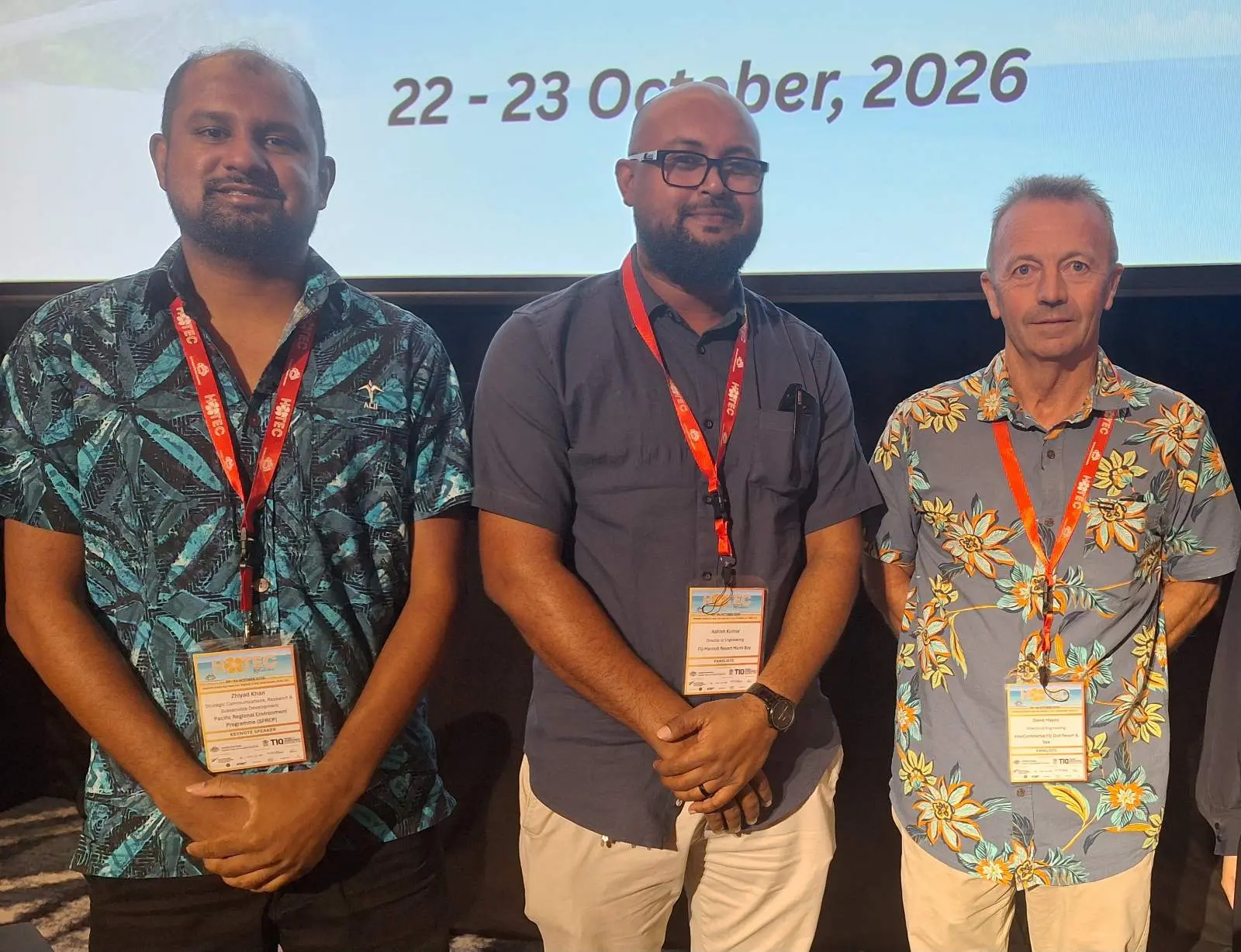
SPREP PROE Comms and Engagement Officer Zhiyad Khan, Fiji Marriott MOmi Bay Engineering Director Asish KUmar and IHG Director of Engineering David Hayes.
Photo: Waisea Nasokia
Unreliable water and electricity supplies could force a major Fiji resort to evacuate guests and arrange alternative accommodation at a cost exceeding $700,000.
InterContinental Fiji Golf Resort and Spa director of engineering David Hayes warned that water security had become a major operational challenge, with the resort's existing reserves insufficient to withstand prolonged disruptions to the town supply.
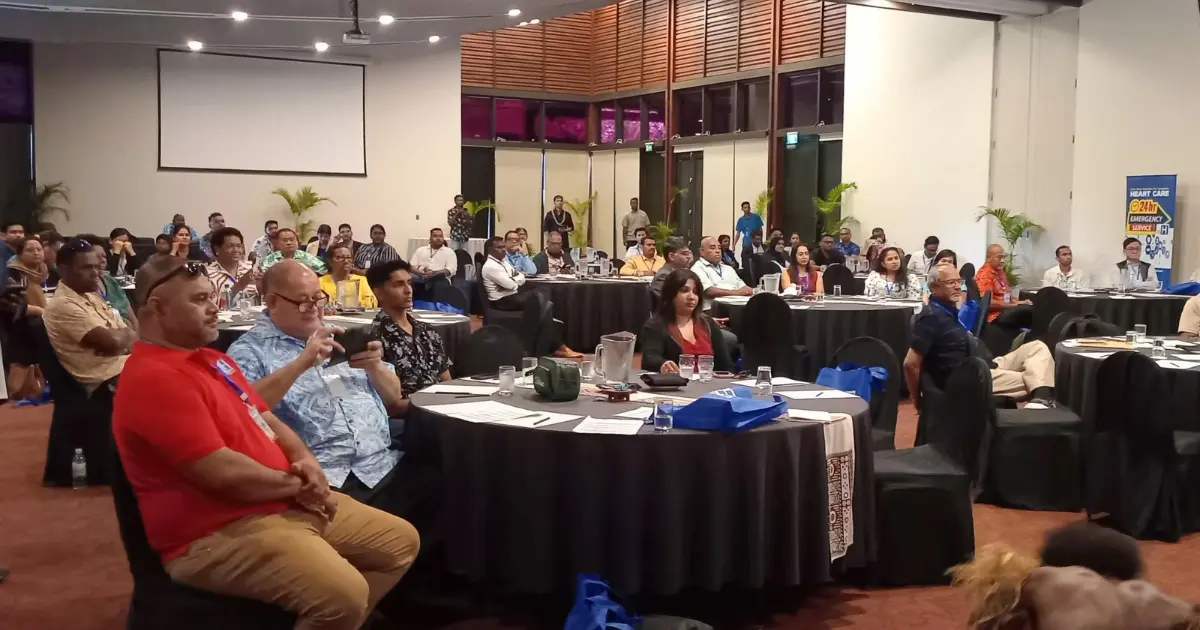
Speaking during a panel discussion on “Resilience Pays – Reducing Cost, Climate Risk and Environmental Impact” at HOTEC 2026, Mr Hayes said the 266-room property at Natadola consumed more than 300,000 litres of water daily.
Related stories
Despite having 1.5 million litres of storage capacity, the resort continued to face supply challenges.
“We’re constantly losing water supply from the town supply. We can’t control that. As much as we’d like to control it, we can’t,” he said.
“So, what do we do? We look at putting in more reserves. We’ve already got 1.5 million litres at the property, but it’s simply not enough. We burn through over 300,000 litres a day.”
The resort, which covers 35 acres, was recording 89 per cent occupancy for the year, making reliable water supplies critical to maintaining guest services.
Mr Hayes said relying on water deliveries by truck during supply disruptions was not a sustainable option.
“If we keep losing water, we can’t be trucking in water to replace the town supply that goes offline. We’ll need 10 trucks running as a convoy 24 hours a day just to keep you afloat,” he said.
He said the resort had experienced such situations, highlighting the difficulties hotels faced when essential services were disrupted.
Mr Hayes also warned that electricity outages could compound the problem because water pumps depended on power to operate.
Without electricity, hotels could lose access to both essential services, potentially affecting their ability to accommodate guests.
At 89 per cent occupancy, he said evacuating guests and arranging alternative accommodation could cost the resort more than $700,000.
Conservation measures
Mr Hayes urged hotels to strengthen their water reserves and introduce practical conservation measures, including water-efficient showerheads and dual-flush toilets.
He said hotels should monitor daily water consumption to identify wastage and set measurable reduction targets.
“Monitor, measure and manage,” he said.
He cited the resort's energy efficiency programme as an example of how targets could deliver results.
A 1.75 per cent energy reduction target introduced in 2024 helped the property achieve savings of five per cent in 2025.
Mr Hayes said the experience showed how measurable targets could encourage businesses to improve resource management.
Declining rainfall
Water recycling was another key part of the resort's conservation efforts.
At Natadola, treated wastewater is channelled into holding ponds near the golf course before being reused for irrigation across the golf course and resort grounds.
Mr Hayes said recycled water should be regarded as a valuable resource rather than waste.
However, reduced rainfall had forced the resort to cut irrigation to minimal levels, with the golf course fairways beginning to show signs of stress.
He said effective irrigation of the golf course and resort grounds would require about 1.5 million litres daily, significantly more than the property's daily operational consumption of 300,000 litres.
The challenges underscored the need for tourism operators to invest in water storage, recycling and conservation to reduce their exposure to supply disruptions.