Beyond the numbers: Bringing healthcare across the Pacific
The voyage itself is no small undertaking. It takes approximately one month for the ship to travel from Indonesia to Vanuatu, the first stop on its Pacific mission.
Saturday 17 October 2026 | 17:00
Updated 20 October 2026 | 16:48 FJT

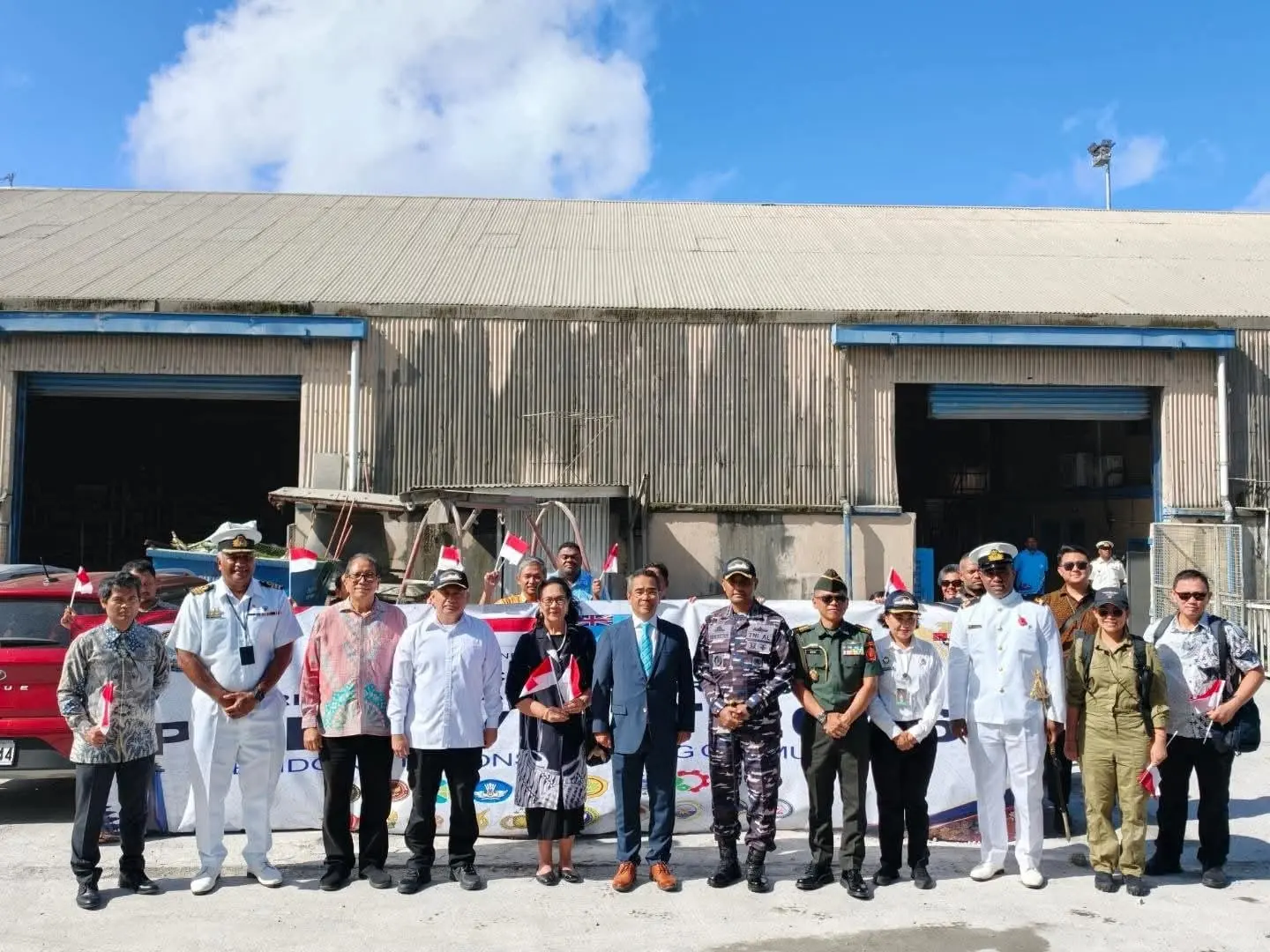
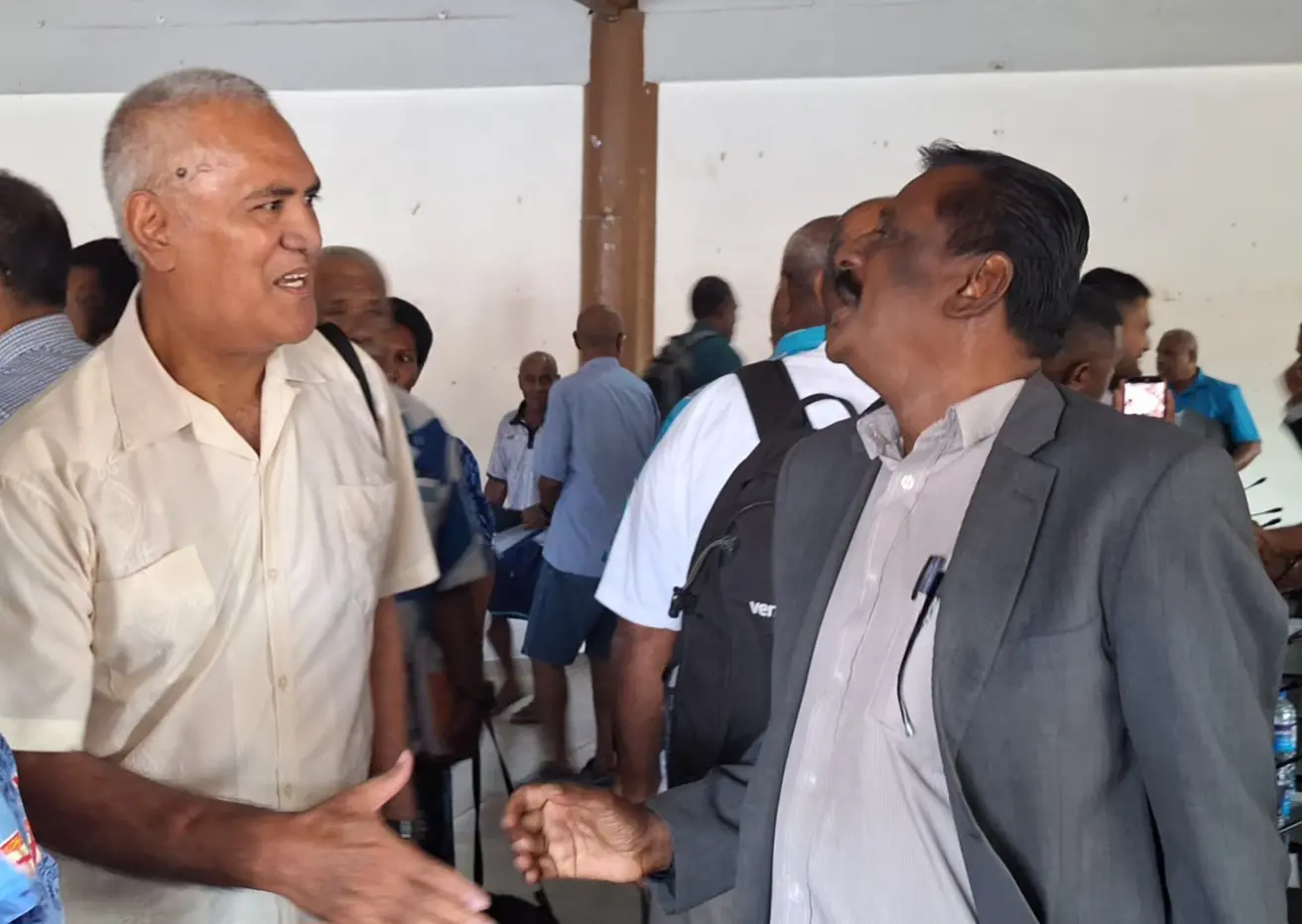
(Centre to right) H.E. Dupito D. Simamora, Ambassador of the Republic of Indonesia, the Indonesian Defence Attaché, Commander Isoa Tokalauvere, Senior Staff Officer for International Engagement of the Republic of Fiji Navy, and the staff of the Embassy of the Republic of Indonesia in Suva.
Source: Indonesian Embassy in Fiji
For most of the year, the Indonesian naval hospital ship KRI dr Wahidin Sudirohusodo-991 serves as a highly equipped floating medical facility. But for the doctors, nurses and volunteers currently sailing across the Pacific, the mission is about far more than medicine.
It is about reaching communities that may otherwise have limited access to specialist care.
During its recent five-day visit to Fiji, hundreds of Fijians boarded the vessel for free consultations, treatment, medication and specialist services. While statistics tell part of the story, the greater impact can be found in the experiences of the patients who met specialists they may never otherwise have had the opportunity to see, and the volunteers who left their families behind to serve strangers thousands of kilometres from home.
Related stories
The visit marks the second time the Indonesian hospital ship has undertaken a humanitarian medical mission to Fiji, having previously visited in 2024. This year's Pacific deployment began in Vanuatu and will continue to Solomon Islands and Papua New Guinea before the vessel returns to Indonesia ahead of Christmas.
The voyage itself is no small undertaking. It takes approximately one month for the ship to travel from Indonesia to Vanuatu, the first stop on its Pacific mission.
On board are medical professionals and support personnel drawn from Indonesia's Navy, military, police force and Ministry of Health. Many have volunteered their time to participate in the journey, motivated by a shared desire to provide healthcare beyond their nation's borders.
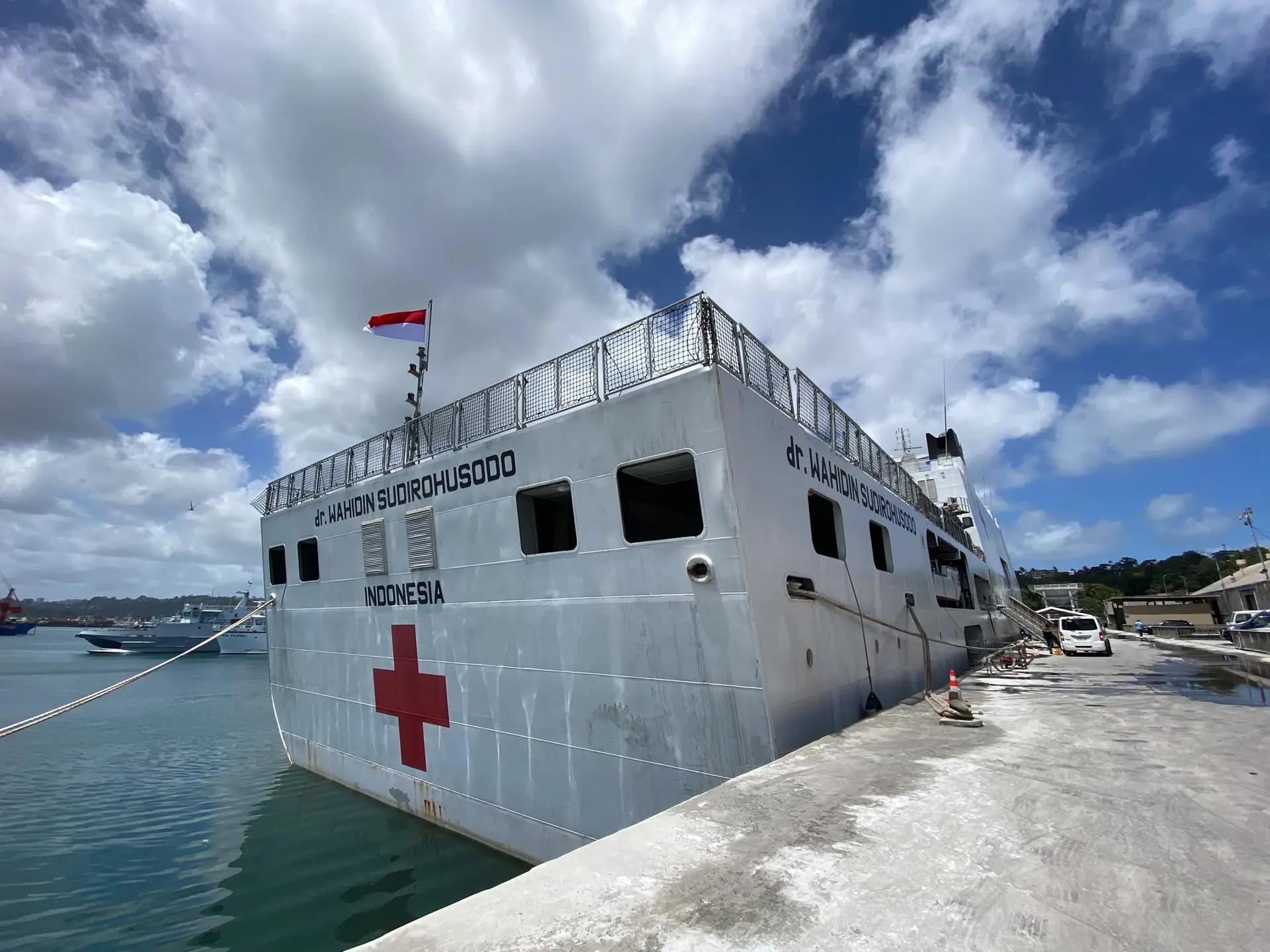
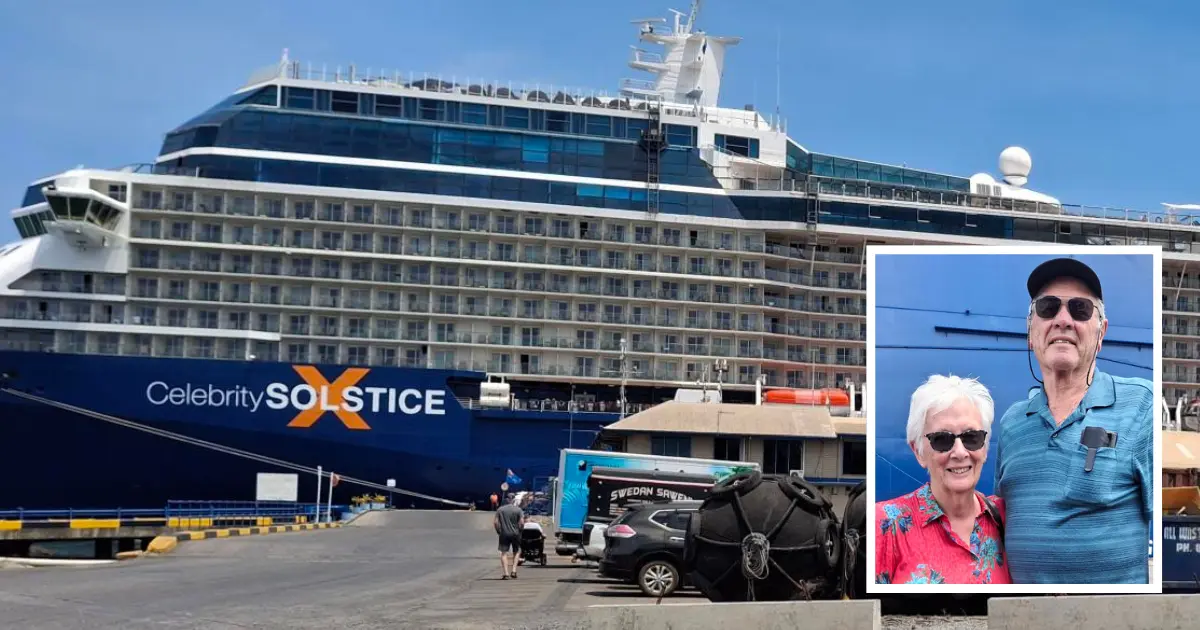
Caption: Indonesian hospital ship KRI dr Wahidin Sudirohusodo-991 at Suva Port on 13 October 2026.
Source: Monica Aguilar
Among them is internal medicine specialist Dr Hasbi Abdul Rozak, who graduated in 2025 through Indonesia's police health service and is participating in the mission for the first time.
Reflecting on the experience, Dr Rozak said he was encouraged by the positive reception the team received in both Vanuatu and Fiji.
"This is my first humanitarian mission in the Pacific, and I am very happy to see the positive turnout," he said.
"For many people, this is an opportunity to access specialist medical services free of charge. Some of these services may not always be readily available to them locally, so being able to contribute in this way is very rewarding."
The vessel's medical facilities include consultation rooms, laboratories, diagnostic equipment, operating theatres and an onboard pharmacy, allowing patients to receive examinations, treatment and medication in one location.
For healthcare workers on board, one of the most rewarding aspects has been seeing the immediate impact on patients. From routine consultations to minor surgical procedures, the services provided have offered reassurance and relief to many individuals who may have otherwise faced lengthy waits or travel costs to access specialised care.
Beyond healthcare, the mission serves as a platform for strengthening people-to-people connections between Indonesia and Pacific Island nations.
The ship's presence in the Pacific also carries long-term significance.
While currently deployed on a humanitarian healthcare mission, the vessel can also be mobilised to support disaster response efforts across the Pacific. In a region frequently affected by cyclones, volcanic
eruptions, earthquakes and other natural disasters, particularly during El Niño-related weather events, the hospital ship provides a vital source of emergency medical support that can be rapidly deployed when communities need it most.
For Fiji and its Pacific neighbours, the mission demonstrates how regional partnerships can deliver practical benefits directly to communities.
For the volunteers on board, it is an opportunity to serve beyond their own shores.
And for the hundreds of patients who walked through the ship's doors during its stay in Fiji, it is a reminder that sometimes the distance between nations can be bridged not by diplomacy alone, but by a doctor's consultation, a life-changing procedure, or a simple act of care delivered from a hospital at sea.