Indonesia advances plans for free education from kindergarten to University
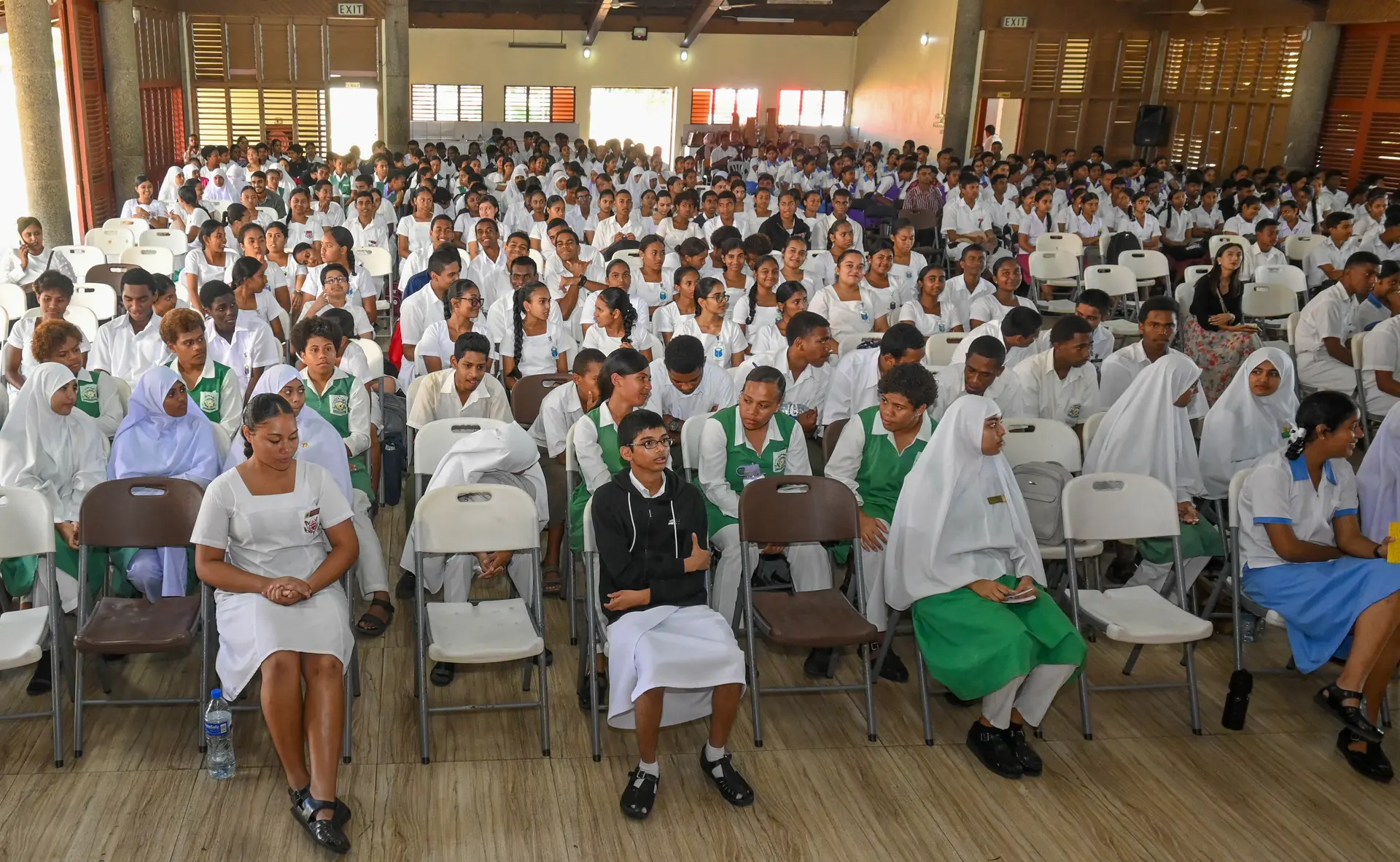
The free education policy will apply to public kindergartens, primary and secondary schools, as well as Islamic public schools administered by the Ministry of Religious Affairs.
Wednesday 30 September 2026 | 16:30
Updated 20 October 2026 | 16:51 FJT
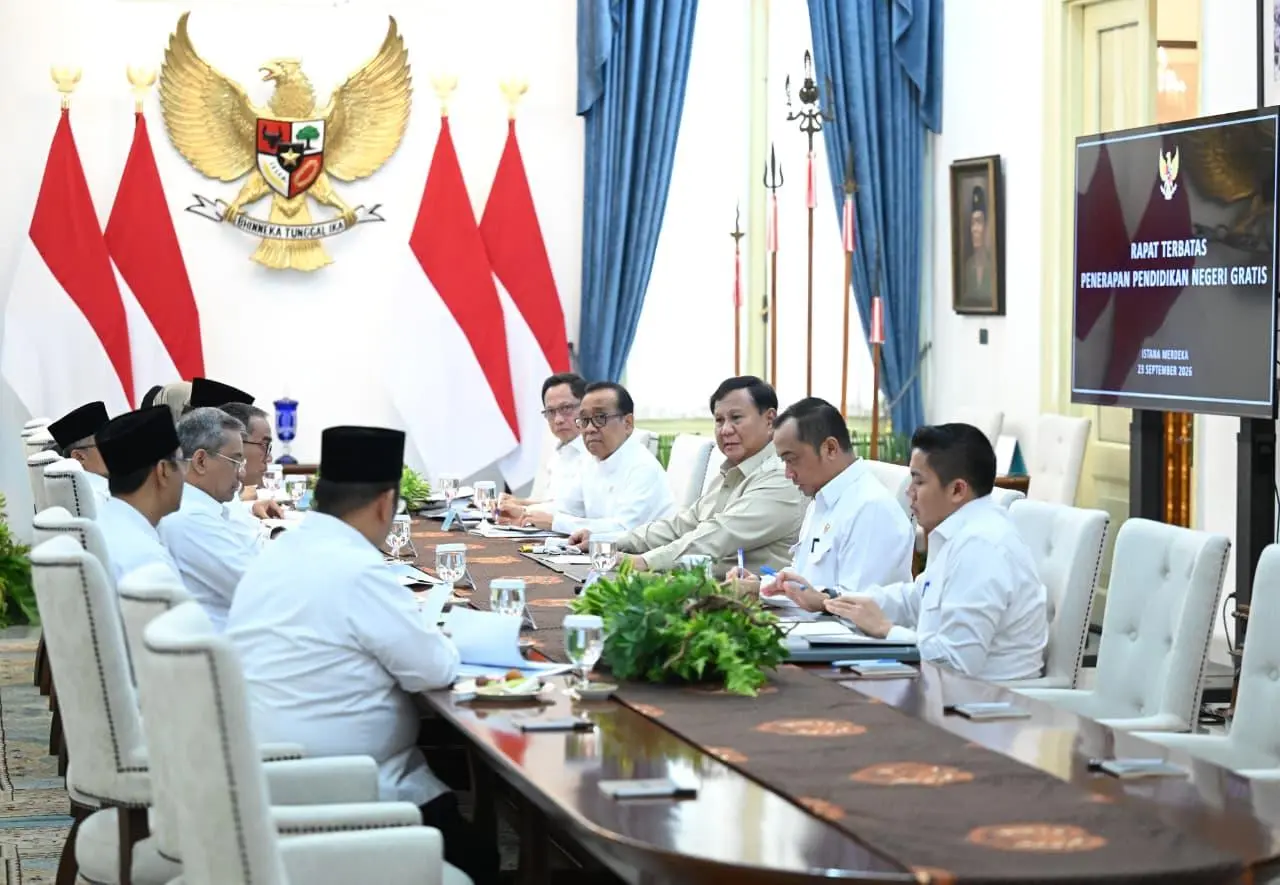
President Prabowo Subianto has reaffirmed his administration’s commitment to making education accessible to all Indonesians by expanding free public education from kindergarten through to state universities.
The initiative forms part of the Government’s broader vision of ensuring that every Indonesian child, regardless of family background or economic circumstances, has equal access to quality education and the opportunity to build a better future.
Cabinet Secretary Teddy Indra Wijaya said education remains a key national priority, emphasizing that every child deserves proper education and equal opportunities to succeed. In support of this goal, the Government is not only providing free education at public institutions but also investing in school infrastructure, learning facilities, and teacher welfare to improve the overall quality of education.
Related stories
The free education policy will apply to public kindergartens, primary and secondary schools, as well as Islamic public schools administered by the Ministry of Religious Affairs.
Minister of Primary and Secondary Education Abdul Mu’ti said President Prabowo had specifically stressed that free education should cover students from kindergarten through secondary school, while Minister of Religious Affairs Nasaruddin Umar confirmed that the same policy would apply to Islamic public schools.
The Government is also laying the groundwork for free tuition at state universities. Minister of Higher Education, Science and Technology Brian Yuliarto said studies are currently underway to assess funding requirements and implementation options. The Government has reviewed various sources of university revenue, including tuition fees and institutional contributions, to determine a sustainable model for the programme.
While President Prabowo has directed that preparations move forward as quickly as possible, Brian noted that implementation would likely be carried out in phases, taking into account the country’s fiscal capacity and long-term sustainability.
To support the initiative, a special inter-ministerial taskforce led by Coordinating Minister for Human Development and Cultural Affairs Pratikno has been established to conduct further studies and develop a detailed implementation roadmap.
The proposed reform would create a continuous pathway of free public education from a child’s earliest years in kindergarten through graduation from a state university, marking a significant step toward expanding educational opportunities and strengthening Indonesia’s future workforce.
As Teddy Indra Wijaya stated, “Indonesia’s future begins in today’s classrooms.”