Medical camp brings taboo women’s health issues into focus
Dr Khan said the physiotherapists were able to discuss these sensitive health issues with patients respectfully and confidentially.
Monday 24 August 2026 | 07:00
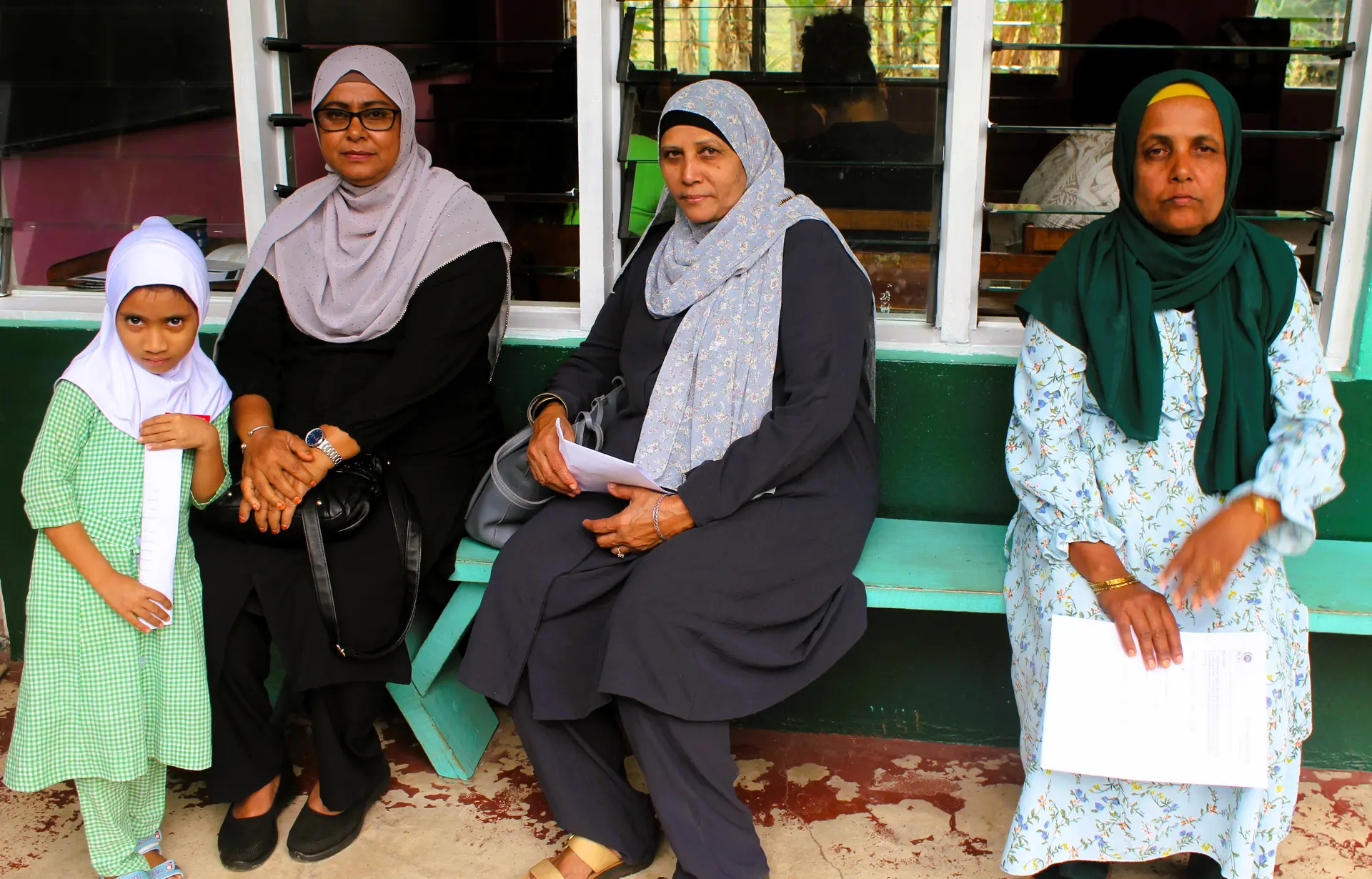
Patients received health care services during the Heal International Australia free medical camp held at the Labasa Muslim College premises on August 21, 2026.
Photo: Sampras Anand.
Women are being encouraged to speak openly about pelvic and other health problems that are often considered taboo and left unaddressed.
Heal International Australia project co-ordinator Dr Maureen Khan said the issue emerged during assessments conducted at the team’s free medical camp at Labasa Muslim Primary School over the weekend.
The camp served members of the Salusalu community and the wider Labasa area.
Related stories
Dr Khan said the team identified a number of pelvic health and other women’s health issues during its assessments.
She said some of these conditions were often treated as taboo subjects within communities, making specialist support important.
“We are blessed that we have got women’s health physiotherapists with us,” she said.
Dr Khan said the physiotherapists were able to discuss these sensitive health issues with patients respectfully and confidentially.
She said important women’s health concerns should not be ignored or avoided.
Chronic diseases
The team also provided general physiotherapy services to patients with chronic health conditions.
Dr Khan said these included diabetes, high blood pressure, smoking-related issues and arthritis, as well as sports injuries.
“We have identified chronic diseases as big issues,” she said.
“We are blessed that our team members are able to have an impact on the outcome of the clients.
“They don’t have to need any fancy tests, they don’t need any medications, they don’t need fancy machines or equipment at the hospital, but they’re able to make changes in their day-to-day life,” Dr Khan highlighted.
Functional assessments
The team also carried out functional assessments with the assistance of an occupational therapist.
Dr Khan said identifying children who needed additional support to participate in learning was another priority.
The assessments also looked at adults who might require assistance following chronic health conditions.
“Identifying adults who may need support after a chronic disease, such as a stroke is important,” Dr Khan added.