Nearly 30 cane-knife strikes proved murder of 'Dr Leighley Darling', court finds
Justice Aluthge rejects self-defence and provocation claims, finds overwhelming evidence proved murder
Wednesday 19 August 2026 | 11:00
Updated 19 August 2026 | 13:34 FJT
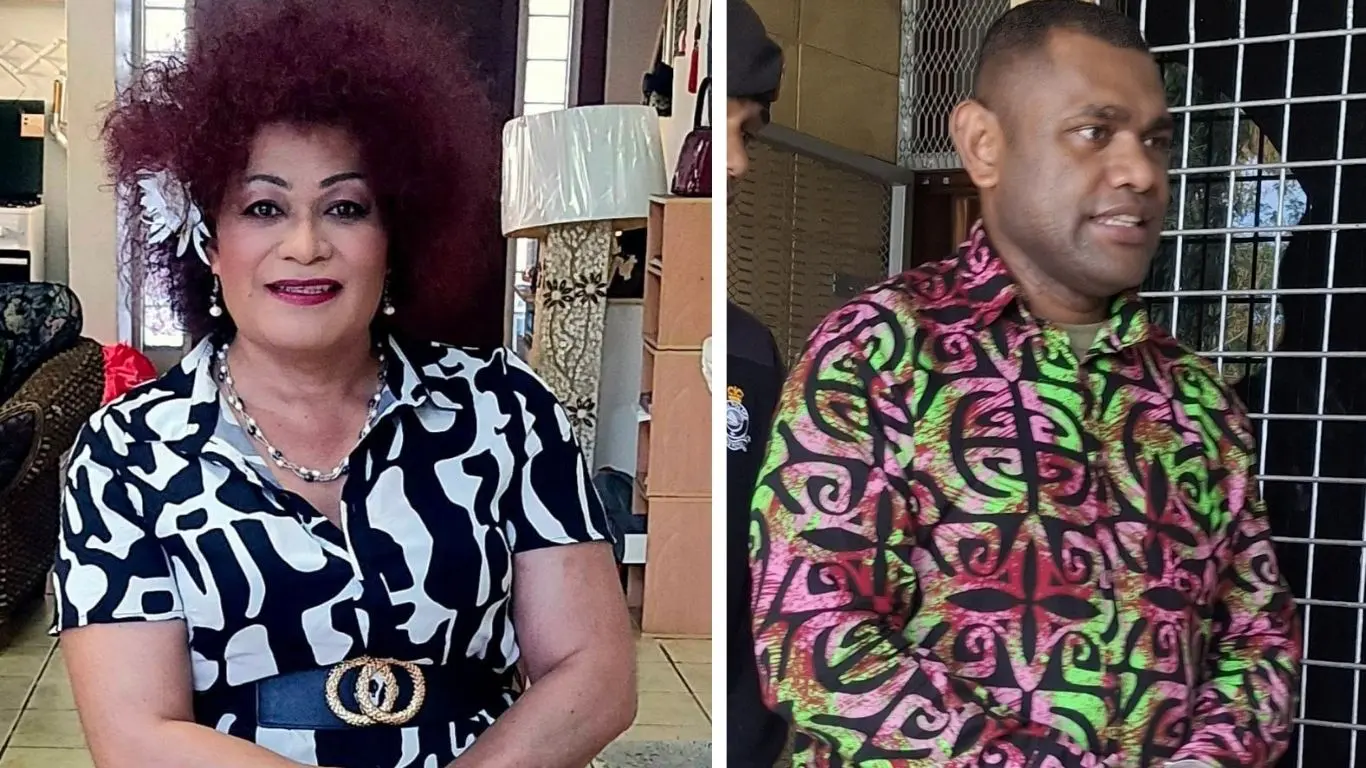
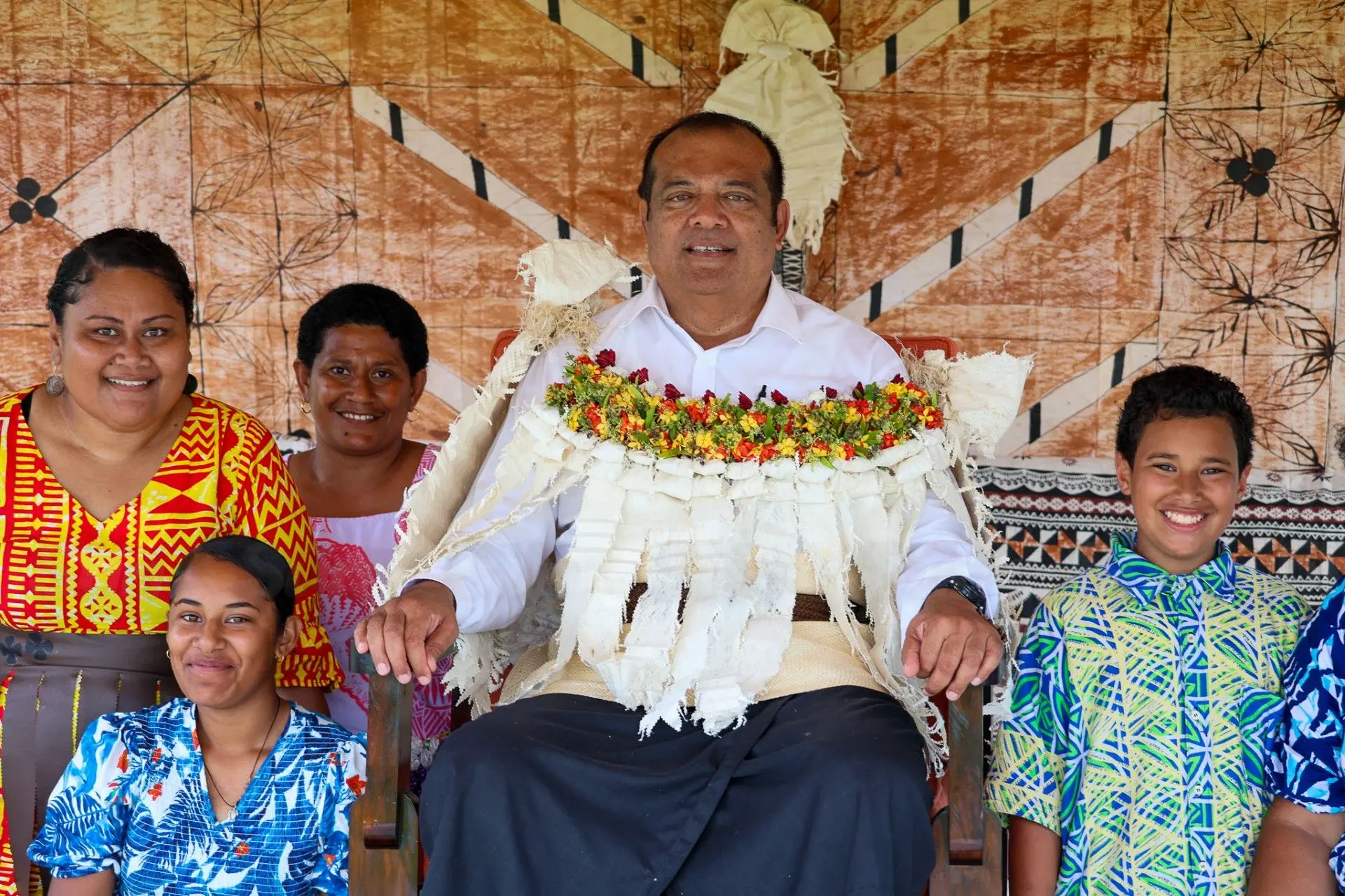
From left: The late Dr Isireli Biumaitotoya, known as “Dr Leighley Darling” and his killer Ratu Peceli Rokoravolo.
Nearly 30 strikes to the body of Nadi doctor and social media personality Dr Isireli Biumaitotoya, known as “Dr Leighley Darling”, were among the evidence that proved Ratu Peceli Rokoravolo intended to kill him, the High Court in Lautoka has found.
Justice Aruna Aluthge said the nature, number and severity of the injuries inflicted on Dr Biumaitotoya demonstrated Rokoravolo’s intention to kill.
Rokoravolo was yesterday found guilty of murdering Dr Biumaitotoya, who was killed between August 31 and September 1, 2025.
Related stories
Justice Aluthge found that the prosecution had presented overwhelming evidence proving beyond reasonable doubt that Rokoravolo intentionally killed Dr Biumaitotoya.
The court considered the accused’s admissions, forensic evidence, witness testimonies and his conduct following the attack.
Rokoravolo initially admitted during police interviews and at the crime scene that he killed Dr Biumaitotoya with a cane knife.
He later challenged the voluntariness of his confession, resulting in a voir dire hearing. The court ultimately found that the admissions were made voluntarily.
The accused also reaffirmed his admission during the trial, while circumstantial evidence further supported the prosecution’s case.
Fatal head injuries
Pathologist Dr Kumar told the court that Dr Biumaitotoya suffered three fatal lacerations to the back of his head caused by a sharp object, with the injuries penetrating the brain.
The court also considered evidence that the deceased sustained nearly 30 strikes to various parts of his body, with severe injuries caused by the cane knife.
Justice Aluthge said the injuries were significant in establishing the accused’s intention to kill. The judge also considered Rokoravolo’s conduct after the attack.
Justice Aluthge said the accused would have realised the seriousness of the deceased’s injuries but did not call the Police or an ambulance or attempt to obtain medical assistance.
Instead, he used the deceased’s vehicle to leave the scene. The judge found that this conduct demonstrated consciousness of guilt and placed the accused’s own interests above the life of the injured victim.
Self-defence rejected
Rokoravolo claimed that he acted in self-defence and that Dr Biumaitotoya approached him with a cane knife taken from the bedroom.
However, the court rejected this account as implausible and inconsistent with the physical evidence.
Justice Aluthge questioned why, if the accused believed the deceased was armed and posed an immediate threat, he would have entered the bedroom where the confrontation eventually occurred.
The court also considered the alleged use of an extension cord during the struggle. Rokoravolo claimed he had looped the cord around the deceased’s neck to make him release the cane knife.
However, the pathologist found no injuries or ligature marks on the deceased’s neck consistent with that account.
The court instead found that the blood on the extension cord, the severed cord and the injury to the deceased’s small finger were consistent with the prosecution’s case that the deceased had used the cord in an attempt to defend himself.
The judge also noted inconsistencies in the accused’s evidence concerning his knowledge of where the cane knife was kept.
Although the accused initially said he did not know where the weapon was kept, the court accepted evidence that he had spent considerable time in the deceased’s bedroom and therefore knew where the cane knife was located.
Justice Aluthge concluded that the accused’s account of self-defence was not supported by the evidence.
The court further found that, even if the accused genuinely believed he needed to defend himself, the level of force used was grossly disproportionate.
Provocation defence dismissed
The accused also relied on provocation, claiming that arguments, social media posts and alleged humiliation had caused him to lose control.
The court rejected this defence.
Justice Aluthge found that the accused’s claims regarding Facebook posts and alleged expulsion from his village were inconsistent with the evidence.
The judge also noted that the accused had not mentioned these matters in his caution statement to Police.
The court found there was insufficient evidence of a sudden loss of self-control or conduct amounting to legally sufficient provocation.
Relationship and financial dispute
The court also examined the relationship between Rokoravolo and Dr Biumaitotoya.
The prosecution alleged that the two men had maintained a long-term intimate relationship and that the accused had benefited financially from the deceased.
It further alleged that Rokoravolo became angry after a dispute over money, including an alleged promise of $1,000.
Rokoravolo denied being in an intimate relationship with the deceased and maintained that their relationship was purely business-related.
However, the court accepted evidence from family members and other witnesses regarding the nature of their relationship.
The deceased’s nephew testified that he had seen Rokoravolo visiting Dr Biumaitotoya regularly between February and September 2025, often on weekends.
The witness described behaviour between the two men that appeared intimate and said Rokoravolo would spend time alone with the deceased in his bedroom.
The court found that the credibility of the family witnesses had not been undermined simply because they were related to the deceased.
Justice Aluthge also considered evidence from the accused himself, including his statements about his feelings towards the deceased after seeing him injured.
The judge concluded that the evidence, including testimony from defence witnesses, supported the finding that the accused and deceased had maintained an intimate relationship.
The court also rejected the accused’s explanation that money had been given to him to conceal the deceased’s alleged relationship with his cousin, Amani.
Justice Aluthge found inconsistencies in that account, particularly because the accused had continued his association with the deceased despite claiming that he was concerned about social media posts portraying him as the deceased’s partner.
Conviction and sentencing
After considering the evidence as a whole, Justice Aluthge concluded that the prosecution had proved the charge of murder beyond reasonable doubt.
The court therefore convicted Peceli Rokoravolo of the murder of Dr Biumaitotoya.
The matter will now proceed to sentencing. The State will file victim-impact statements from two family members, while both the prosecution and defence will file written sentencing submissions.
The court has also made arrangements concerning the return of property. Sentencing has been scheduled for September 4.