311 communities identified for next phases of internet rollout
Mr Naivalurua said all 311 communities had gone through a five-stage review to ensure the selection process was fair, technically sound and transparent.
Thursday 20 August 2026 | 16:00

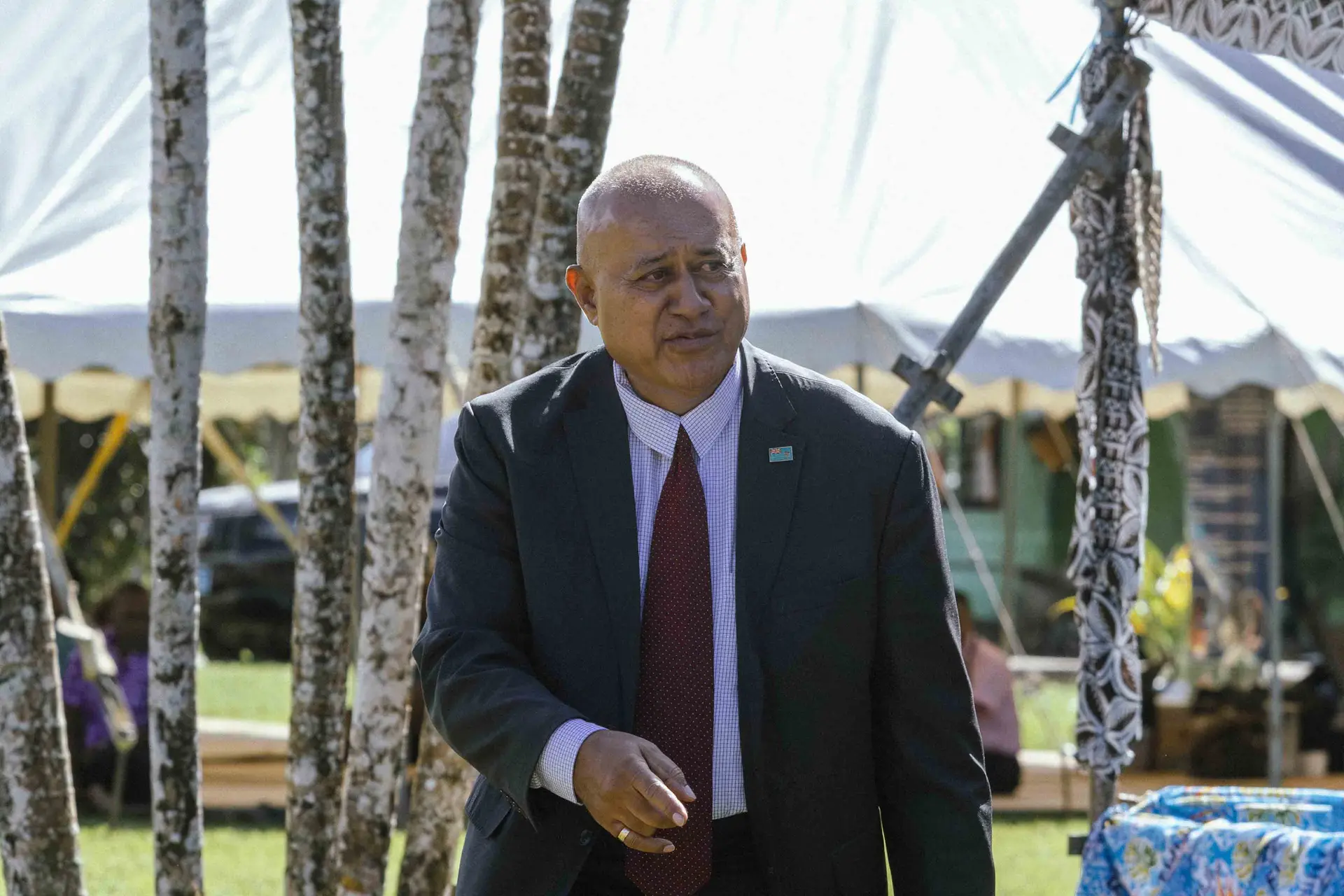
A total of 46,840 Fijians will soon be connected to the internet, with 311 communities identified for the next stages of the government’s nationwide connectivity rollout.
Minister for Policing and Communications Ioane Naivalurua told Parliament yesterday that the 311 communities, verified by the Telecommunications Authority of Fiji (TAF), would form phases three, four and five of the programme, with rollout expected to begin this financial year.
The communities cover 12,101 households, giving thousands of Fijians who remain without reliable internet access a path to connectivity.
Related stories
Mr Naivalurua said all 311 communities had gone through a five-stage review to ensure the selection process was fair, technically sound and transparent.
“Once gazetted, these communities will form phases three, four and five with rollout beginning this fiscal year,” he said.
The announcement comes as the government moves to expand a programme that has already connected more than 8,200 Fijians across 90 communities in the past seven months.
The first phase is now 75 per cent complete, with 26 communities remaining. Twenty-five sites are expected to be completed by the end of this month, with the final site due in September.
Mr Naivalurua said the demand for internet access had been clear, with newly connected communities consuming 49 terabytes of data in July alone.
“The figure showed the pent-up demand among people who had previously been without connectivity.” He said.
The 49TB was consumed across communities in Lau, Lomaiviti, Namosi, Nadroga and Kadavu, with the network recording 95.6 per cent availability, despite many sites relying on solar power.
Phase Two is also underway, with a tender open for 104 more areas. This phase is expected to cover about 5,761 households.
Mr Naivalurua said the government had also learned from the first phase, particularly after unreliable power caused outages at some grid-connected sites.
As a result, all Phase One sites connected to the power grid will be fitted with solar power to improve reliability.