Australia gifts Fiji drone ships
The vessels can remain at sea for up to six months and will support efforts to detect illegal fishing and drug trafficking.
Wednesday 21 October 2026 | 16:00

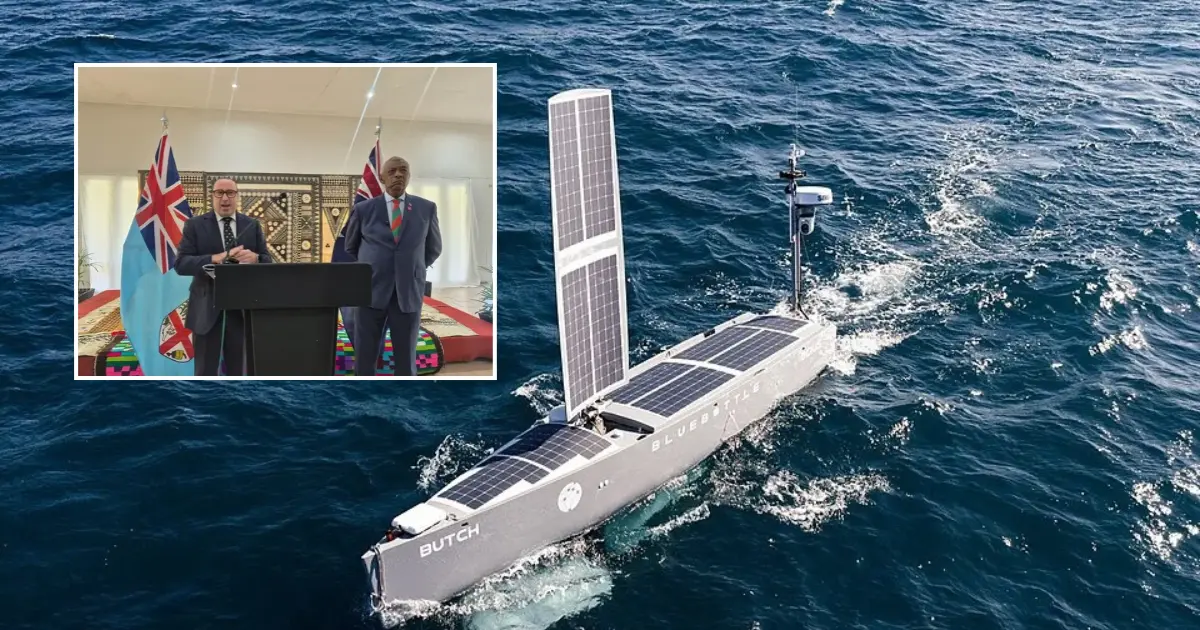
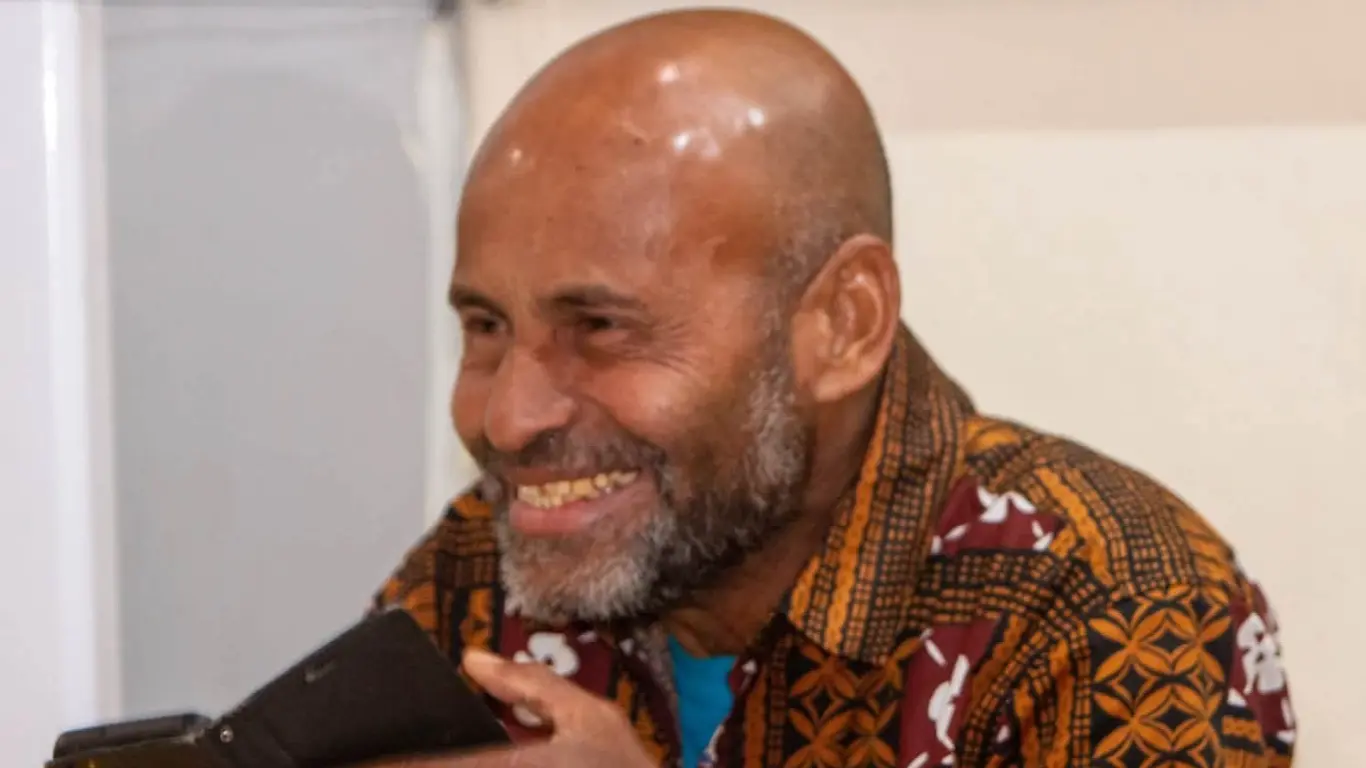
Australia will give Fiji Bluebottle uncrewed surface vessels as permanent assets. Inset: High Commissioner Peter Roberts and Minister for Defence and Veteran Affairs Pio Tikoduadua.
Photos: Supplied; Kaneta Naimatau
Australia will give Fiji Bluebottle uncrewed surface vessels as permanent assets to strengthen maritime surveillance.
The announcement was made by Australian High Commissioner Peter Roberts alongside Defence Minister Pio Tikoduadua in Lami today.
The 7.5-metre drone vessels run on solar, wind and wave power and can remain at sea for up to six months. They can be used to detect drug trafficking and illegal fishing.
Related stories
“We’re very pleased to be able to provide these as sovereign assets of Fiji,” Mr Roberts said.
He said the vessels were a key resource under Pillar 2 of Fiji’s new Maritime Security Strategy. The number of vessels, their cost and arrival date were not disclosed.
“We want to keep that element of surprise,” Mr Roberts said. He described the gift as “a significant investment” and said the vessels were coming off the factory line.
Australia will also train Fijian operators. Mr Roberts said Canberra had committed more than A$600 million to Waqa Moana, a regional maritime surveillance effort.
Navy to manage vessels
“It belongs to the State,” Mr Tikoduadua said. He said the Republic of Fiji Military Forces Naval Division would manage the vessels through the Maritime Essential Services Centre.
Information gathered by the vessels would be shared with other law enforcement agencies.
Two New Zealand Bluebottle vessels, Tahi and Rua, were deployed to Fiji from July 2025, marking the first time a partner had delivered an uncrewed vessel to the country.
Mr Tikoduadua said the trials detected more than 100 vessels. Some had switched off their transponders, while others were fishing without licences.
Some vessels were boarded, and aerial surveillance was deployed around the Yasawa and Lau waters. “These are very handy things,” he said.