Dry spell hits farmers as crop prices rise
Ms Vana said the situation was reducing the amount of produce available for sale, with farmers bringing fewer crops to market.
Friday 13 November 2026 | 08:00

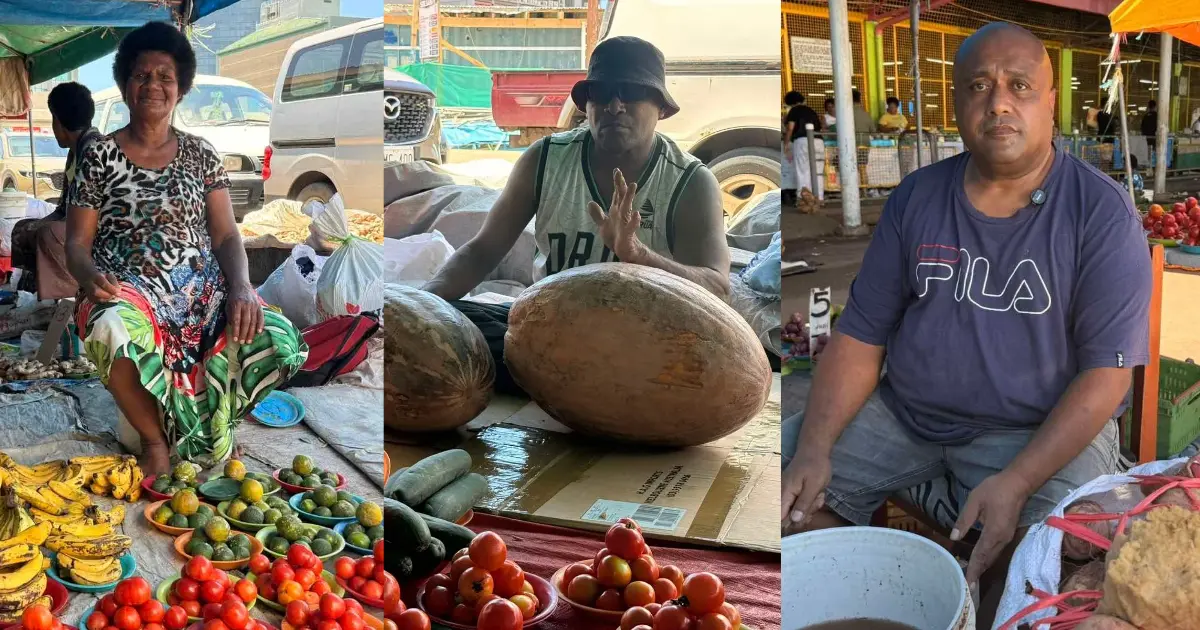
Malakai Kotobalavu Fah, William Seru and Vinaiana Vana at the Suva Municipal Market on November 12, 2026.
Photo: Asenaca Ratu
Farmers are struggling to keep their crops alive as prolonged dry conditions linked to El Niño dry out farmland, reduce vegetable and root crop supplies, and push prices higher at markets.
After 30 years of selling at the market, vendor Vinaiana Vana, from Nausori, Nalawa, Ra, said this year had been among the hardest because of the prolonged dry spell.
She said the lack of water was affecting crop growth, with some farmers losing cassava, vegetables and other root crops before harvest.
Related stories
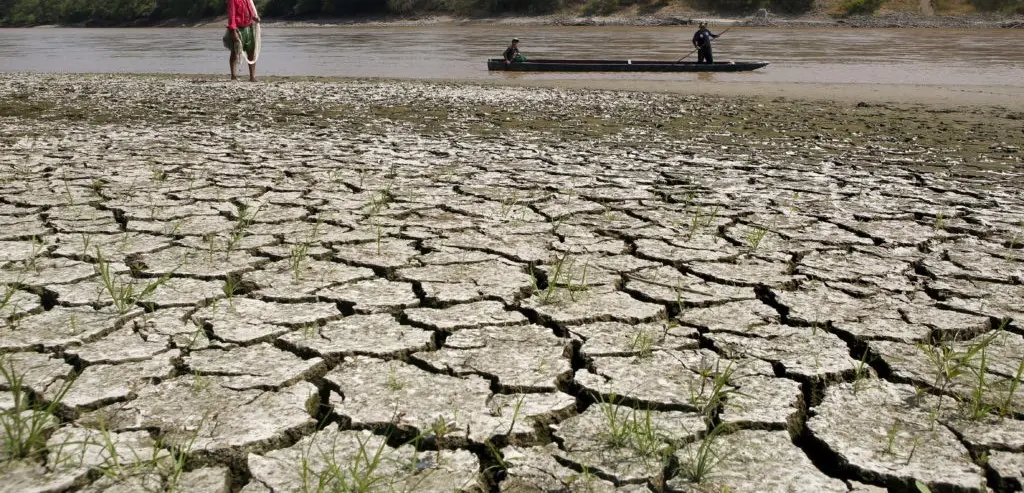
Cracks had also begun appearing in the soil as conditions worsened.
“Before, cassava would be ready for harvesting within six months, but now the plants are drying out and dying,” she said.
Ms Vana said the situation was reducing the amount of produce available for sale, with farmers bringing fewer crops to market.
Another vendor, William Seru, said his farm had also been affected, forcing him to use a horse to transport water from the river to irrigate his vegetables and root crops.
He said the lack of water was not the only challenge, as animals searching for water and grass were entering farms and damaging crops.
With grass drying up, livestock were moving into cultivated areas in search of food and water, placing further pressure on farmers.
Crop prices rise
Market vendor and middleman Malakai Kotobalavu Fah said the impact of the prolonged dry spell was also being felt through higher purchasing costs.
He said vegetables and root crops he previously bought from farmers at lower prices had become more expensive because of reduced supplies.
“One sack of kumala and cassava now costs $150. Imagine, this is before Christmas. When Christmas comes, it could increase to $200,” he said.
The vendors are calling on the Government to consider the difficulties farmers are facing and provide assistance as prolonged dry conditions continue to affect their livelihoods.
They fear prices could rise further as Christmas approaches if crop production and supplies do not improve.