Families urged to prioritise drinking water over kava
Ro Filipe said falling water levels at Vaturu Dam were a particular concern, stressing the need for the public to conserve water.
Friday 13 November 2026 | 08:00
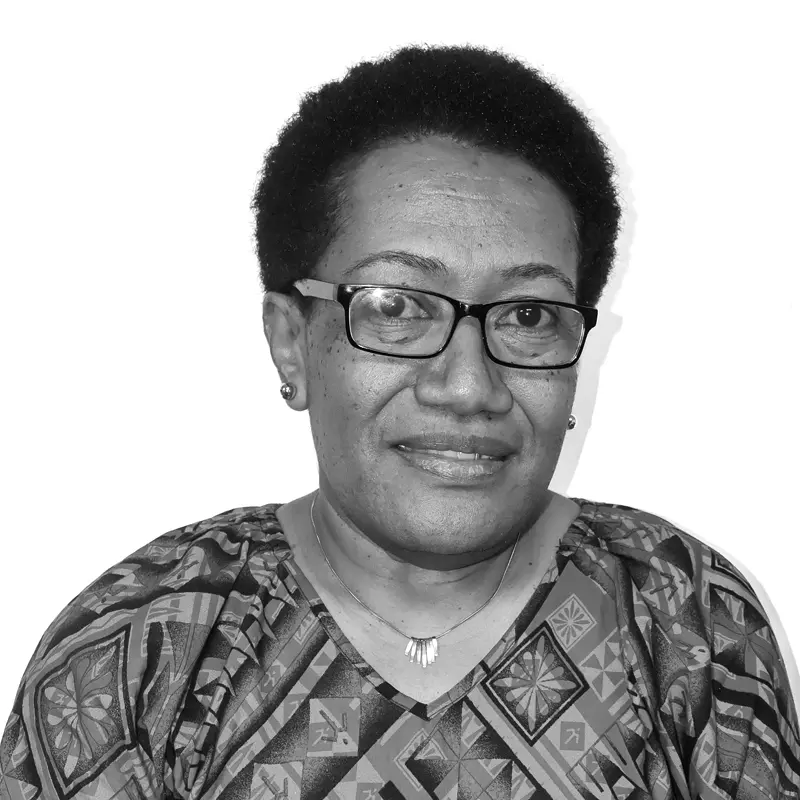
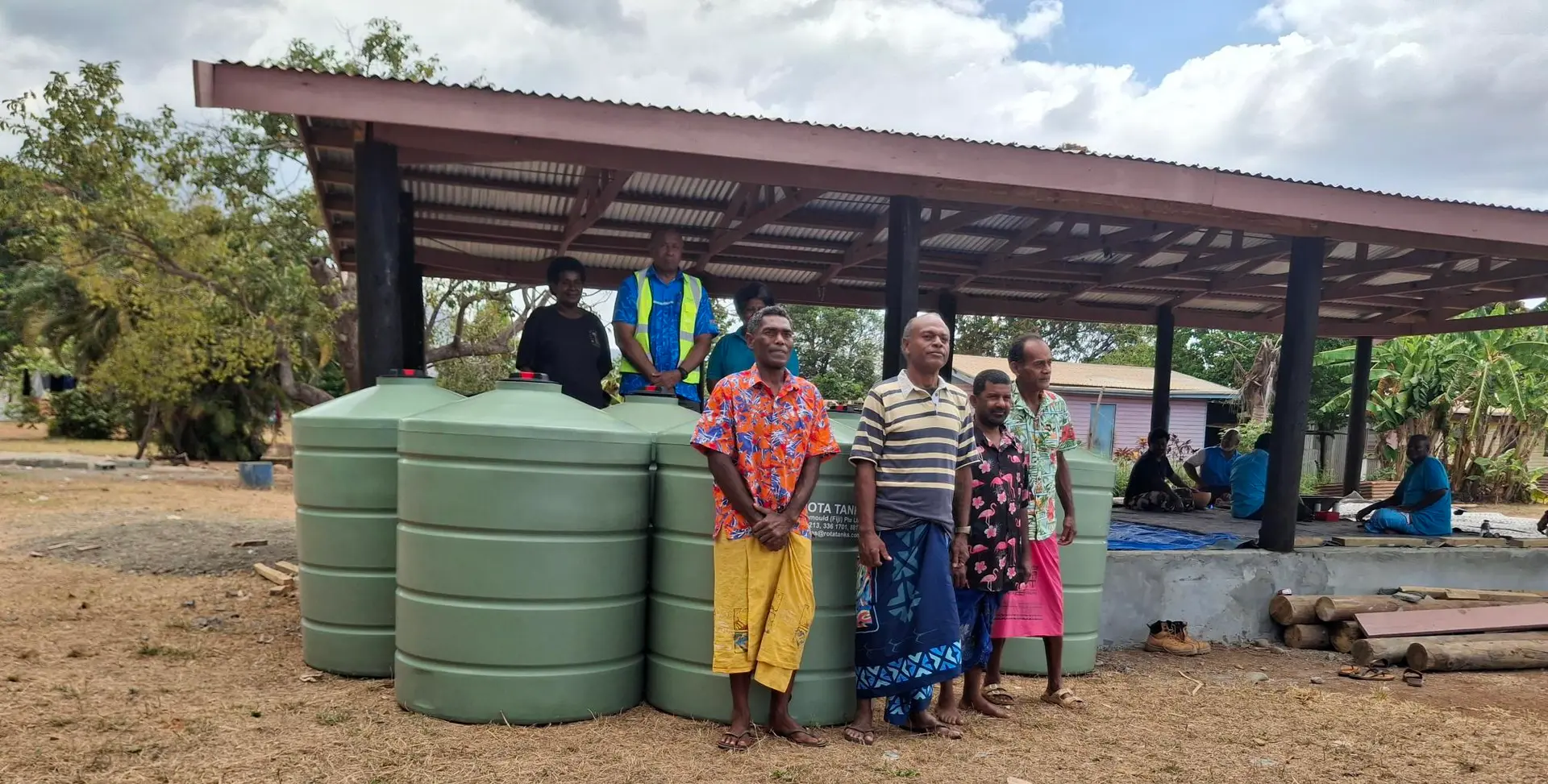
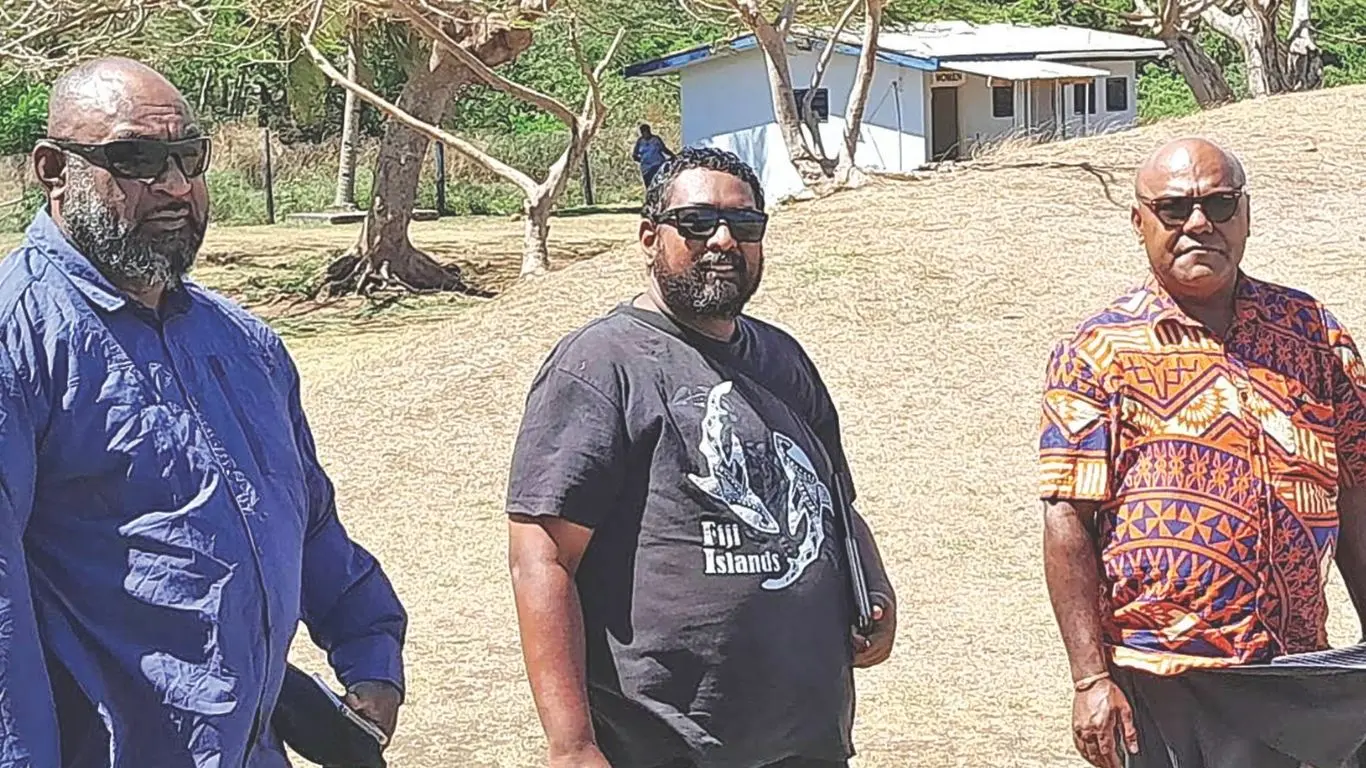
Minister for Public Works, Meteorological Services and Transport Ro Filipe Tuisawau handed over five water tanks to residents of Vanuakula Settlement at Drasa, Lautoka.
Photos: Mereleki Nai
Families and businesses have been urged to stop non-essential water use, including car washing, as the prolonged dry spell threatens water supplies across Fiji.
Minister for Public Works, Meteorological Services and Transport Ro Filipe Tuisawau issued the warning yesterday while handing over five water tanks to residents of Vanuakula Settlement in Drasa, Lautoka.
He said the Water Authority of Fiji (WAF) had reported rapidly declining water levels, with major catchments in the Western Division, Vanua Levu and Taveuni under threat.
Related stories
Ro Filipe said falling water levels at Vaturu Dam were a particular concern, stressing the need for the public to conserve water.
He urged families to prioritise drinking water and health needs, particularly those of babies and children, over non-essential activities.
"Families, individuals need to prioritise how they use water. Drinking water and health needs must come first. Those with babies and children must be prioritised ahead of using water for drinking kava," he said.
He also called for restrictions on activities such as car washing and urged resorts and hotels to manage their water consumption carefully.
Ro Filipe said WAF was distributing water tanks to communities experiencing intermittent or no water supply.
Water trucks would replenish the tanks to provide a more reliable supply during the prolonged dry spell.
He said the public had been warned for several months about the El Niño phenomenon and the risk of worsening dry conditions.
Families were encouraged to invest in water storage and consider purchasing tanks as part of their household spending during the Christmas period.
Ro Filipe said Government assistance was limited and households needed to take responsibility for conserving and storing water.
The National Disaster Risk Management Office (NDRMO), together with the Commissioner's Office, was coordinating assistance to communities most affected by water shortages.
He said the Government was also working on additional support for water operations, while the Ministry of Finance was considering additional budget packages for the agriculture sector and water services.
The prolonged dry spell is expected to continue through December and possibly into January, despite the cyclone season.