Fiji's drought emergency could stretch into 2027
Government is implementing measures to maintain essential services amid prolonged dry conditions and increasing pressure on water resources.
Wednesday 25 November 2026 | 09:00

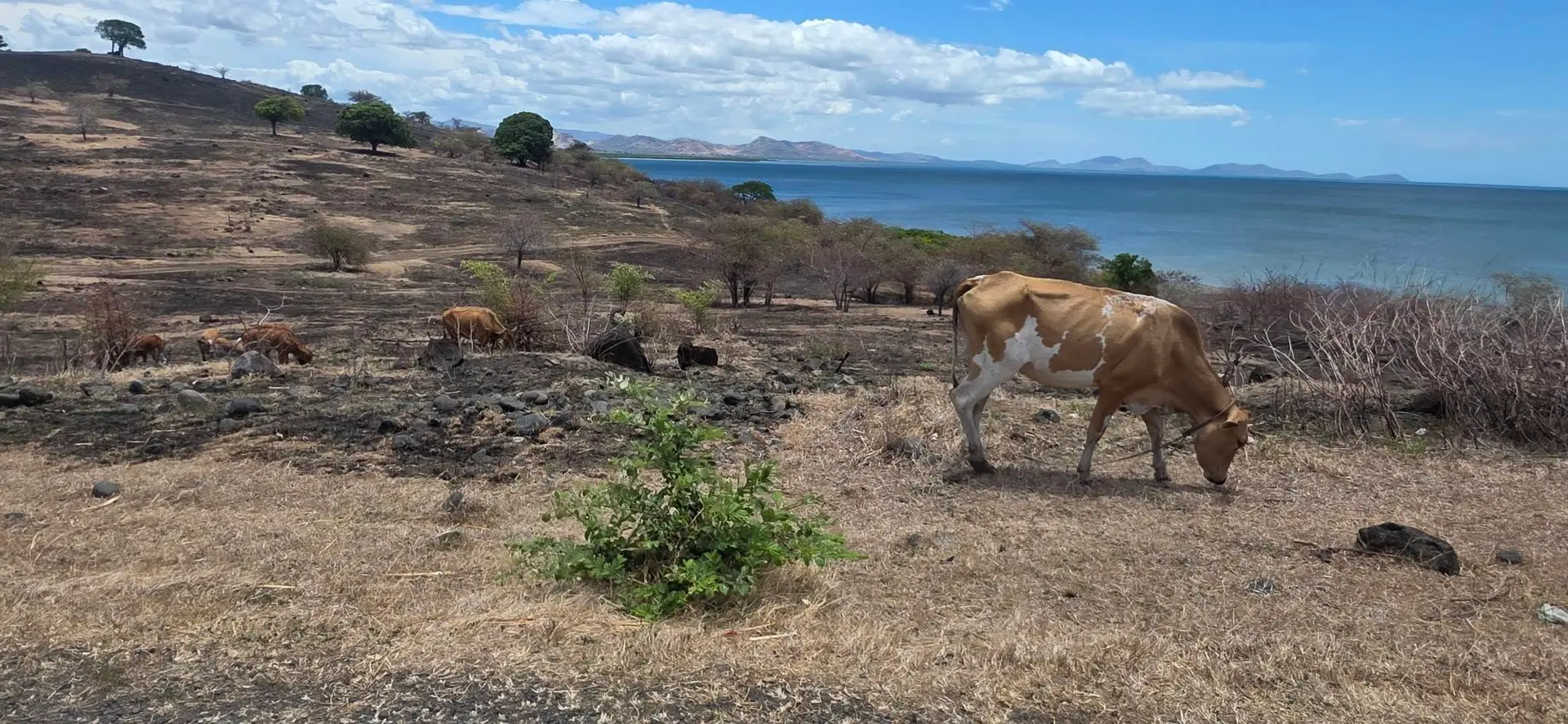
Government is implementing measures to maintain essential services amid prolonged dry conditions and increasing pressure on water resources.
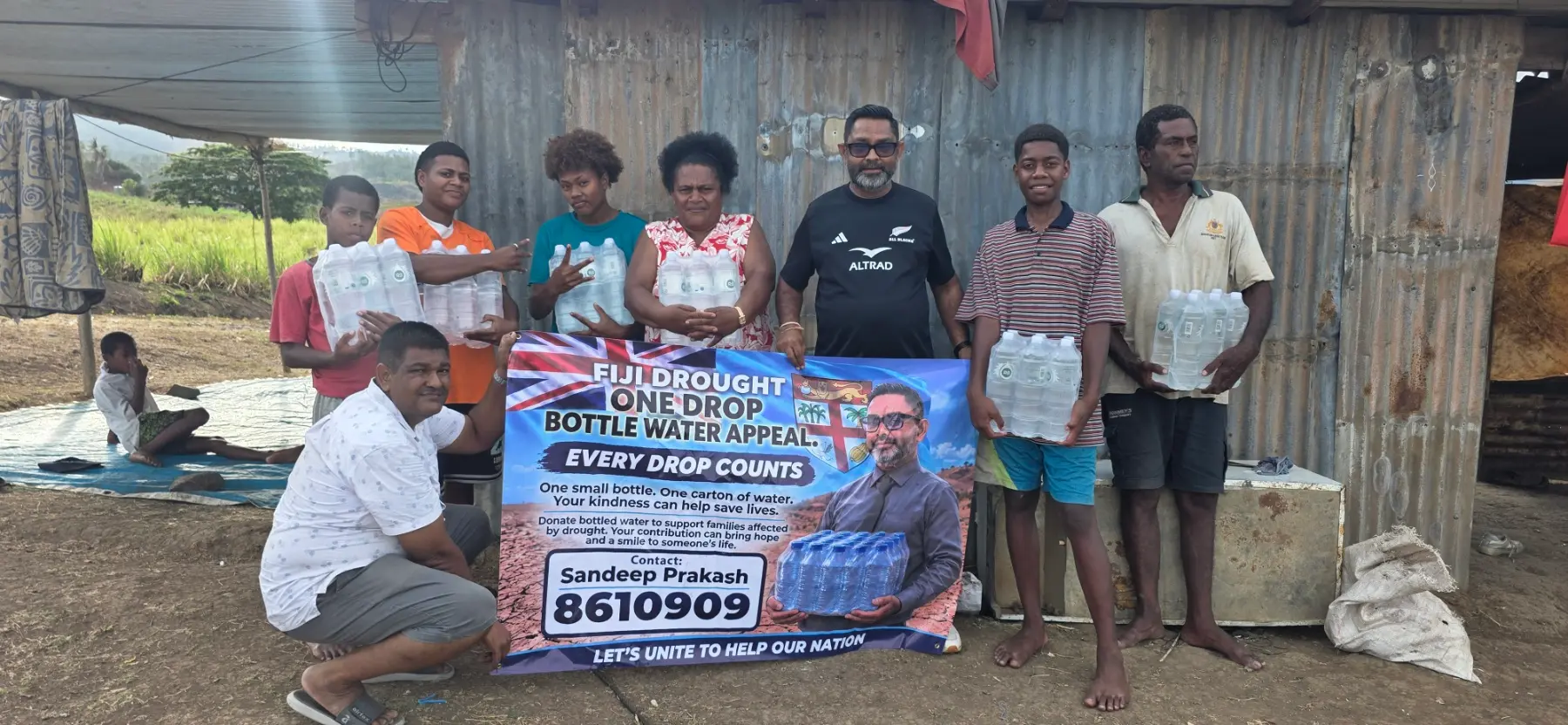
Photo: Sandeep Prakash
Fijians could face prolonged water shortages into early 2027, with below-normal rainfall expected to persist beyond the peak of the current El Niño event.
Permanent Secretary for Rural and Maritime Development and National Disaster Control Mitieli Cama warned on Tuesday that the country's drought emergency could continue beyond the peak El Niño period.
He said the latest updates from the Fiji Meteorological Service confirmed that El Niño conditions remained strong, with peak conditions expected around November and December 2026.
Related stories
“The seasonal outlook indicates that below normal rainfall is likely to persist into early 2027. This means that the drought emergency we are currently managing may extend beyond the peak El Nino period,” Mr Cama said.
Government is implementing measures to maintain essential services amid prolonged dry conditions and increasing pressure on water resources.
These include prioritising water supply to hospitals, health centres and schools, strengthening water storage and emergency supply arrangements, and implementing water conservation measures.
Energy Fiji Limited has also reported declining hydropower reserves and is making arrangements to strengthen standby electricity generation capacity, including additional generators where required.
In the agriculture sector, six drought response initiatives have been identified to support water access, irrigation, agricultural livelihoods and recovery.
Mr Cama said the effects of the drought extended beyond water shortages, with implications for food security, household income, agricultural production and the wider economy.
“Our response must therefore address both the immediate needs of affected communities and the longer-term impacts of this drought.”
Government agencies are continuing to assess service delivery risks and identify contingency arrangements to minimise disruptions, particularly in remote communities and among vulnerable populations.
“We will continue to monitor the situation closely, strengthen our operational coordination, and adjust our interventions as conditions evolve,” Mr Cama said.