Taveuni launches major recycling programme
The two-and-a-half-year initiative will bring communities, schools, businesses and tourism operators together to improve waste management.
Tuesday 24 November 2026 | 14:00
Updated 24 November 2026 | 15:00 FJT

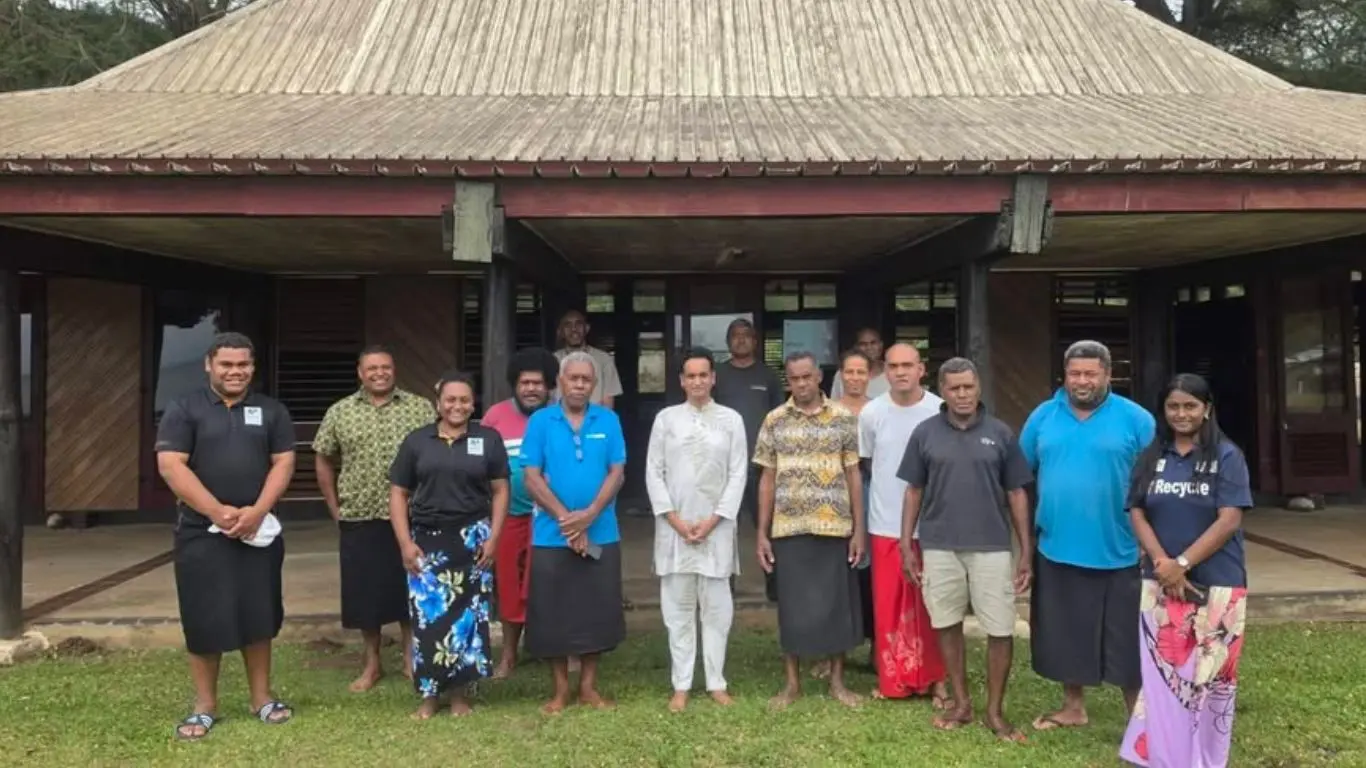
Taveuni is set to begin a two-and-a-half-year recycling programme, aimed to tackle its longstanding waste management challenges and protecting its surrounding marine environment.
The initiative will be officially launched on November 27.
The initiative is expected to become one of Fiji’s first major comprehensive recycling programmes on an outer island.
Related stories
It is funded by the German Federal Ministry for the Environment, Climate Action, Nature Conservation and Nuclear Safety under its Marine Litter Action Grant – Hubs Around the Globe programme, the project is supported by CleanSeas – Marine Litter Prevention in Pacific Island Countries.
The Taveuni Waste Management Initiative, led by the Pacific Recycling Foundation (PRF), will bring together communities, schools, businesses, tourism operators, government and local partners to establish a more coordinated system for recovering recyclable materials on the island.
The programme is jointly implemented by GIZ Pacific, the Secretariat of the Pacific Regional Environment Programme (SPREP) and The Pacific Community (SPC), in partnership with Fiji’s Ministry of Environment and Climate Change.
PRF founder and director Amitesh Deo said the initiative was designed to address Taveuni’s waste challenges by placing communities at the centre of the solution.
“Taveuni is known as paradise, but beneath that paradise is a waste management challenge that has existed for many years. We want to begin addressing that challenge in a way that places the community at the centre,” Mr Deo said.
The project will focus on strengthening the recovery of plastics, cardboard, cans and other recyclable materials, while exploring how organised collection and recycling systems can deliver environmental, social and economic benefits.
Mr Deo said the initiative was not only about the volume of waste recovered, but also about understanding the wider changes recycling could bring to communities and the local economy.
“This is not simply about how much material we can recover. It is about understanding what changes when a community has systems to recover its recyclables – for the environment, for people and for the local economy,” he said.
For Sumitomo resident Alisi Lasaqa Baker, the initiative is a positive step towards creating a cleaner and healthier environment for Taveuni.
She said the programme would encourage communities to work together, take responsibility for their waste and develop better recycling habits, particularly among young people and students.
"Proper recycling system was important in reducing rubbish and preventing pollution, especially plastic waste from reaching rivers and the ocean," she said.
GIZ representative in the South Pacific and CleanSeas project head Frauke Bartels said the initiative demonstrated how international cooperation could support locally driven environmental solutions.
Through the CleanSeas programme, we are supporting initiatives that translate this commitment into practical action on the ground.
The Taveuni Waste Management Initiative is a good example of how international cooperation can support locally driven solutions, strengthen recycling and improve waste management in island communities,” Ms Bartels said.
Ms Baker hoped that the initiative would lead to cleaner communities, more recycling facilities and greater community participation, with its benefits continuing beyond the two-and-a-half-year programme
The programme will monitor progress and document experiences from participating communities, schools and businesses to identify lessons and opportunities for sustaining recycling efforts beyond the project's implementation period.