Yaqona Council to oversee operator registration under proposed Bill
The proposed council would register operators, while registration fees remain under discussion.
Wednesday 14 October 2026 | 18:00

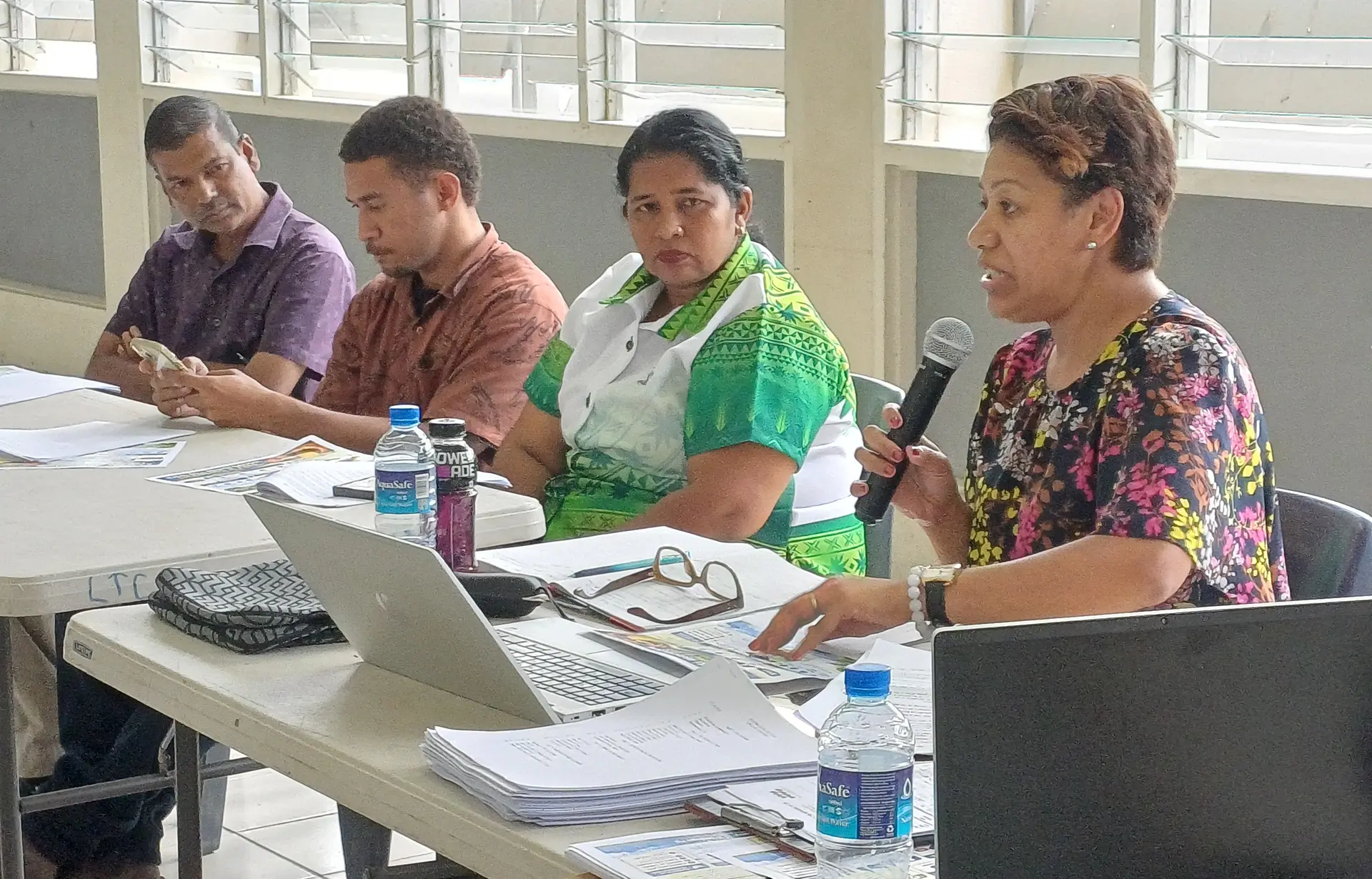
Ministry of Agriculture Principal Economic Planning Officer Salote Madanavosa addresses the consultation on the Yaqona (Kava) Bill 2026 at the Civic Centre in Labasa on October 13, 2026.
Photo: Shratika Naidu
The Fiji Yaqona Council will be responsible for registering yaqona operators according to prescribed criteria and determining registration fees for business licences, if any.
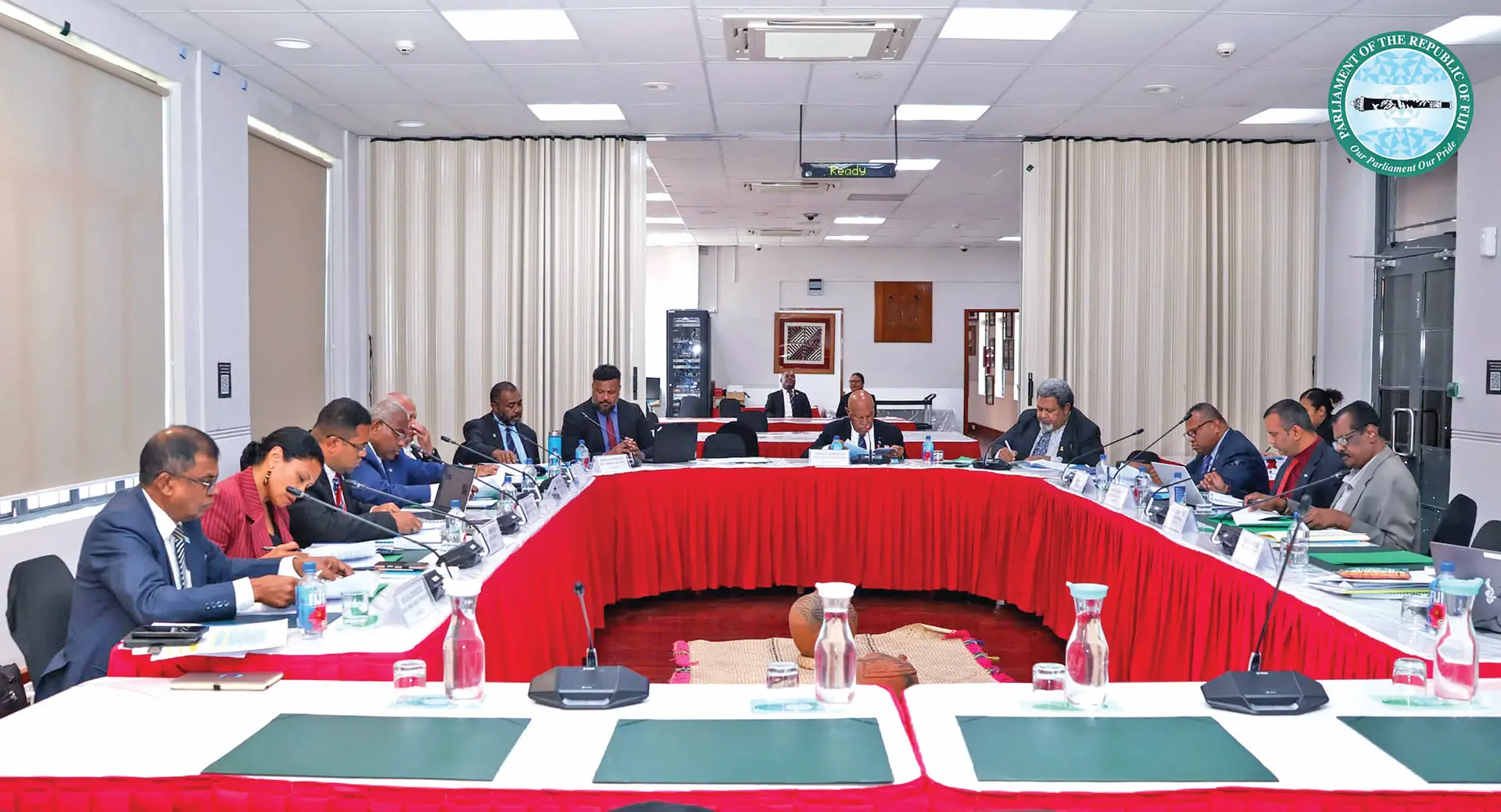
Standing Committee on Justice, Law and Human Rights chairperson Ratu Rakuita Vakalalabure clarified the proposal during a consultation on the Yaqona (Kava) Bill 2026 at the Civic Centre in Labasa.
He said there was currently no structure outlining the proposed fees, as consultations continued with the Ministry of Agriculture also involved in the process.
Related stories
When asked which operators would need to register, Mr Vakalalabure said the Bill defined a yaqona operator as anyone engaged in cultivating, manufacturing, processing, packaging, offering for sale, importing or exporting yaqona or yaqona products.
“The demand for yaqona has increased in the local and overseas markets where the yaqona industry in Fiji is a major contributor to the national economy, next in line to the taro (dalo) and ginger industries,” Mr Vakalalabure said.
He said yaqona was sold domestically and exported commercially, generating millions of dollars for the Fijian economy over time.
Speaking at the consultation today, Mr Vakalalabure said there was an urgent need for a proper legal framework to establish the Fiji Yaqona Council, which would manage, administer and support the growth of the yaqona industry in Fiji.
He also raised concerns about the false representation of yaqona exported for commercial purposes, saying this should be prohibited by law.
“The Bill seeks to ensure that trading of yaqona at a domestic level and international level, will be carried out according to appropriate standards and procedures,” he said.
When asked what specific changes were being considered following the public consultations, Mr Vakalalabure said the information was confidential to the committee at this stage.