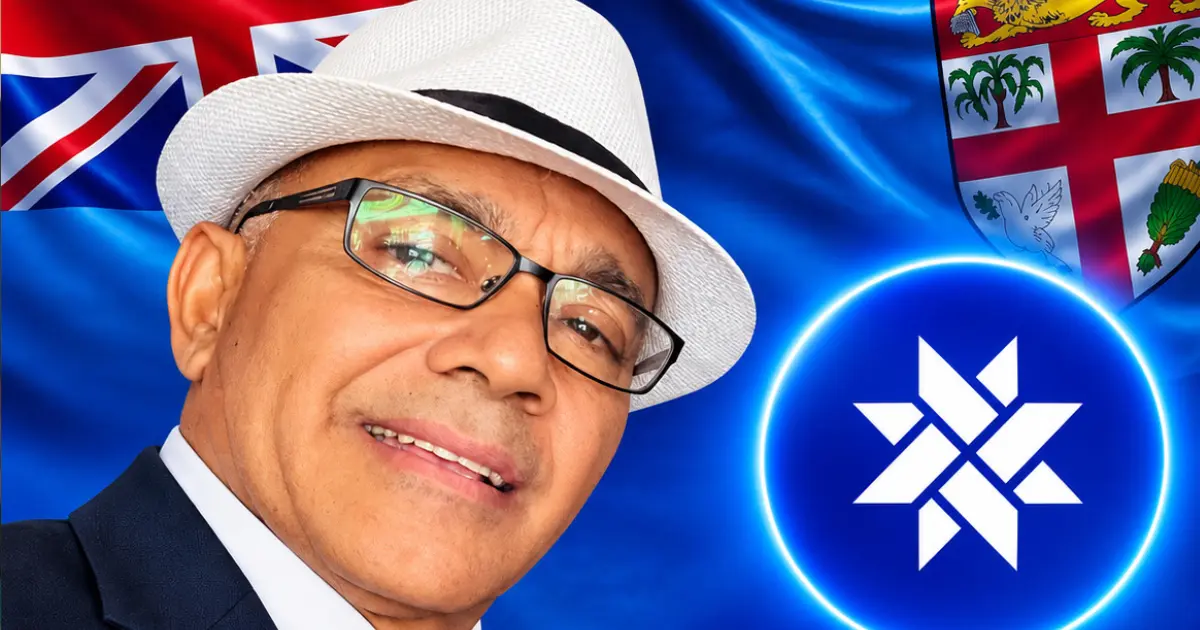
SODELPA proposed candidate pledges evidence-based leadership
Friday 23 October 2026 | 15:00
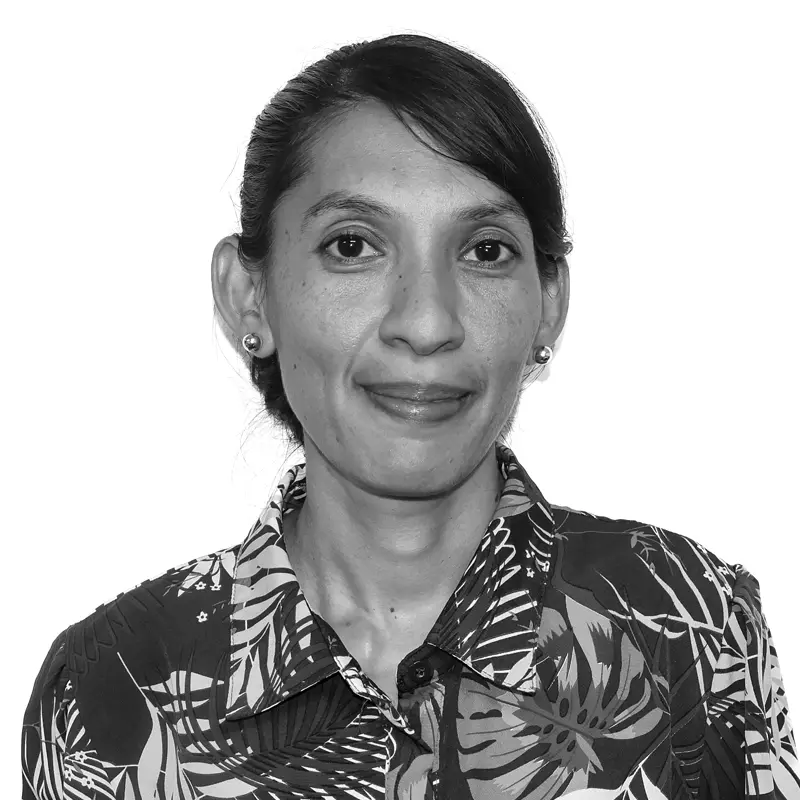
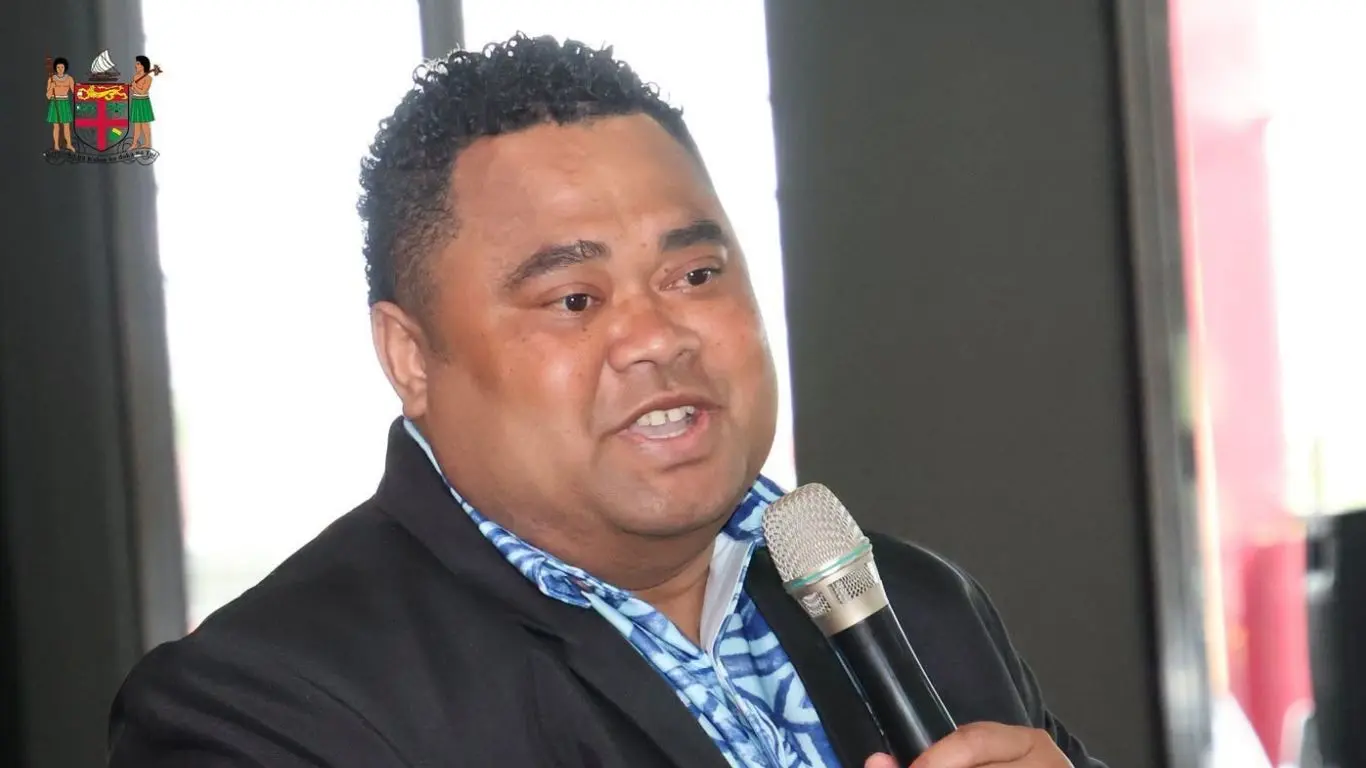
Varinava Vutikalulu Tiko believes Government decisions must be informed by scientific research, reliable data, and evidence rather than political convenience.
Social Democratic Liberal Party (SODELPA) proposed candidate Varinava Vutikalulu Tiko says he entered politics because he believes he has the experience, ideas and willingness to contribute to the national conversation about Fiji’s future.
The 56-year-old, originally from Tailevu North (Naloto Clan), wants to help build a Fiji where people are empowered, institutions are trusted, differences are respected and children inherit a nation with greater opportunities.
He believes Government decisions must be informed by scientific research, reliable data and evidence rather than political convenience.
Related stories
Mr Tiko’s experience spans agriculture, business, community development, governance and political organisation.
In agriculture, he was involved in the European Union-funded pineapple project at the Seaqaqa Research Station in Macuata.
“This experience strengthened my understanding of the importance of scientific research, innovation, climate-resilient farming, and developing agricultural industries that can increase farmers’ incomes, create employment and expand Fiji’s export opportunities,” he said.
He also has experience in the international private security industry, where he witnessed the potential of Fijian workers to contribute internationally.
His involvement in business and community development has also shaped his understanding of governance, resource management and the importance of empowering communities to become economically sustainable.
Political background
Mr Tiko’s political involvement dates back several decades. He was involved in the political activities of Soqosoqo ni Vakavulewa ni Taukei (SVT), commonly known as the Fijian Political Party, in Tailevu North before the 1999 General Election.
In 2000, he became involved with the Conservative Alliance–Matanitu Vanua (CAMV) in Tailevu North and subsequently supported political efforts following George Speight’s disqualification as a Member of Parliament.
Following the 2014 General Election, he became more actively involved in efforts to promote iTaukei unity and community development through Nehemiah Corporation Ltd. He later contributed to developing the vanua framework associated with SODELPA’s 2018 election platform.
“These experiences deepened my understanding of indigenous institutions, community aspirations, and the need to connect cultural identity with sustainable economic development,” he said.
“I have continued to engage in political and community affairs, and I was selected by the SODELPA party leader to serve as a candidate for the 2026 General Election.”
He was also invited to contribute ideas and strategic advice on the party’s future direction.
“For me, political leadership is not about titles or personal recognition; it is about service, accountability, and delivering meaningful outcomes,” he said.
“I want to bring my experience in agriculture, business, community development, and governance into Parliament to help build a stronger economy, strengthen our institutions, create opportunities for young people, and improve the lives of all Fijians.”
Reasons for contesting the election
Mr Tiko believes Fiji needs leadership guided by principles, integrity, accountability and a clear vision for the future.
“For me, entering politics is not about seeking a title or personal recognition; it is about asking myself a fundamental question: What can I contribute to making Fiji a better place for the next generation,” he said.
“I believe Fiji has enormous potential through its people, land, oceans, natural resources, culture, and strategic position in the Pacific. However, we need stronger institutions, better economic planning, more employment opportunities, and policies that translate our national resources into tangible benefits for ordinary families and communities.”
Constitutional reform is another important reason for his political participation.
“I believe our constitution must protect democracy, the rule of law, human rights, accountability, and the legitimate interests of indigenous Fijians while safeguarding the rights and dignity of every citizen, regardless of ethnicity or background,” he said.
“As a SODELPA candidate, I want to help advance policies that reflect social democracy and liberal democracy, while recognising the importance of iTaukei identity, customary institutions, land, culture, and the responsibility we carry towards future generations.”
Key priorities if elected
Mr Tiko’s key priorities are economic empowerment, employment creation, stronger governance and improving the quality of life for all Fijians.
He said Parliament should be a place where practical solutions are developed to address the real challenges facing people, rather than simply a platform for political promises.
His first priority is economic development and job creation.
“Fiji must make better use of its land, oceans, natural resources, and human potential. I want to promote investment in agriculture, agro-processing, and value-added industries so that farmers can earn better incomes and rural communities can become more economically sustainable,” he said.
His second priority is youth empowerment.
“Our young people need access to quality education, technical and vocational training, entrepreneurship opportunities, and meaningful employment,” he said.
“We must also confront the growing challenges of drugs, crime, HIV, and gender-based violence through coordinated action involving families, communities, churches, schools, civil society, and Government.”
His third priority is strengthening governance and accountability.
“Public money must be used responsibly and transparently to deliver services and development,” he said.
“I will advocate for stronger institutions, effective oversight, evidence-based policymaking, and greater accountability from those entrusted with public office.
“Every public investment should be assessed against its results and benefits to the people.”
His fourth priority is constitutional integrity and national unity.
“I believe Fiji needs constitutional arrangements that protect democracy, the rule of law, human rights, and the separation of powers,” he said.
His fifth priority is strengthening rural communities and agriculture.
He wants to encourage cooperative enterprises, partnerships between landowners and investors, and practical support for farmers, including those facing expiring land leases.
He also wants to promote a more collaborative approach to national development by bringing together Government, traditional institutions, the private sector, churches and community organisations.
“My guiding principle is simple: we must move from being a resource-rich nation with communities struggling to make ends meet towards an economy that creates opportunities and allows our people to share fairly in the benefits of development,” he said.
“I cannot promise to solve every problem overnight, but I can commit to principled leadership, practical solutions, and accountable service to the people of Fiji.”
Plans to address issues affecting ordinary Fijians
Mr Tiko believes the first responsibility of any elected representative is to listen to the people, understand their everyday struggles and work towards practical solutions.
He said ordinary Fijians were concerned about the cost of living, access to healthcare, education, housing, employment, land security and the future of their children.
These issues required more than political promises, he said. They required proper planning, responsible use of public funds and measurable results.
“My approach will be to engage directly with communities, including rural villages, settlements, farming communities, workers, small-business owners, women, young people, and vulnerable families,” he said.
“I want people to have a clear channel through which they can raise their concerns and receive honest feedback on what can realistically be done.
“On the cost of living, I will advocate for policies that strengthen local production, improve agricultural productivity, support small businesses, and reduce unnecessary barriers to economic activity.”
He said Fiji needed to improve its capacity to produce and process the goods people consumed while creating opportunities for local entrepreneurs and workers.
On healthcare and education, he would support responsible investment in accessible, quality services, particularly for rural and underserved communities.
On employment, he would advocate for stronger technical and vocational training, youth entrepreneurship, agricultural development and opportunities in overseas labour markets, including the international private security industry.
For landowners and rural communities, he would promote partnerships that allow land and natural resources to generate sustainable income while protecting customary rights and the interests of future generations.
He said development should empower communities to become economically independent rather than remain dependent on assistance.
“I also believe that ordinary Fijians suffer when public institutions are weak, decisions are poorly explained, or public money is not used effectively,” he said.
“I will therefore advocate for transparency, accountability, stronger oversight, and evidence-based policies.
“Most importantly, I will approach these challenges without discrimination.
“I understand that one Member of Parliament cannot solve every problem alone.”
However, he said an effective representative could raise people’s concerns, scrutinise Government decisions, advocate for better policies and work with others to achieve results.
His commitment was to listen honestly, speak courageously and work practically.
Challenges faced by persons with disabilities
Mr Tiko said disability should never be a reason for exclusion, discrimination or being left behind in national development.
“My approach will be to ensure that persons with disabilities and their representative organisations are actively consulted in the development of policies that affect their lives,” he said.
“We must move beyond making decisions on their behalf and ensure they have a meaningful voice in decisions concerning their needs, aspirations, and future.”
His priorities would include improving access to quality healthcare, inclusive education, vocational training, employment, public transport and essential Government services.
Public buildings, schools, hospitals, roads and other infrastructure should progressively be designed or upgraded to accommodate people with different physical, sensory, intellectual and other disabilities.
He would also advocate for greater employment opportunities and workplace inclusion, encouraging both Government and the private sector to remove unnecessary barriers that prevent persons with disabilities from contributing their skills and talents to the economy.
“Importantly, I would support reviewing policies and public expenditure to ensure that disability inclusion is considered from the beginning of every development programme, rather than treated as an afterthought,” he said.
“We must also strengthen public awareness to address stigma and recognise the contributions that persons with disabilities make to their families, workplaces, and communities.
“My guiding principle is that no Fijian should be left behind because of a disability.”
What sets him apart from other candidates
Mr Tiko said the combination of his practical experience, long involvement in political and community affairs, and belief in principled leadership distinguished him from other candidates.
“I believe what distinguishes me is the combination of my practical experience, long involvement in political and community affairs, and my belief that leadership must be guided by principles rather than personal ambition,” he said.
“My background spans agriculture, business, community development, and political organisation.
“These experiences have helped me understand that Fiji’s challenges are interconnected.”
He said he was particularly interested in turning ideas into practical solutions.
Another important aspect of his approach was his understanding of the relationship between the vanua, culture, customary institutions and economic development.
“I also believe Parliament must be a place of informed debate, independent thinking, and accountability,” he said.
“I will not assume that any individual, political party, or government is always right.
“We must be willing to ask difficult questions, examine evidence, listen to different perspectives, and correct our mistakes when necessary.”
While committed to SODELPA’s principles, he said his responsibility as a representative would extend to all Fijians, regardless of ethnicity, religion, social status or political affiliation.
He did not claim to know everything or have all the answers.
“What I offer is a willingness to listen, the courage to speak on matters of principle, the discipline to examine issues carefully, and a commitment to finding workable solutions,” he said.
“For me, leadership is not about being better than other candidates.
“It is about understanding what I can contribute, being accountable for my decisions, and serving the people with honesty, integrity, and purpose.
“I want to be judged by the quality of my ideas, the consistency of my principles, and the results of the work I undertake on behalf of the people.”
Key messages to voters
Mr Tiko urged voters to choose leaders based on their principles, policies, character and ability to deliver, rather than political loyalties, promises or personal relationships.
“Your vote is more than a choice of candidate; it is an investment in the future of your children, the strength of our institutions, the opportunities available to our young people, and the kind of Fiji we want to leave for the next generation,” he said.
He encouraged every voter, especially young people, to ask questions, examine proposed policies and assess the experience, integrity and capacity of those seeking public office.
“We should not be afraid to question our own political parties or leaders when their decisions do not serve the public interest,” he said.
“I ask voters to look beyond personalities and consider what each candidate can genuinely contribute to Fiji’s future.
“Democracy is strongest when citizens are informed, engaged, and willing to hold their elected representatives accountable.”
He said his decision to enter politics stemmed from years of involvement in community development, business, agriculture and efforts to create better opportunities for the people.
“If elected, I would want people to see me as an accessible representative who listens to their concerns, raises difficult questions when necessary, and works towards practical solutions,” he added.