Fiji declares HIV outbreak a national crisis
Cabinet endorses national crisis declaration as Government calls for urgent whole-of-society response
Thursday 10 September 2026 | 08:00

Cabinet has declared Fiji’s HIV outbreak a national crisis as new infections continue to surge, with 2,016 new diagnoses recorded last year, up from 1,583 the previous year.
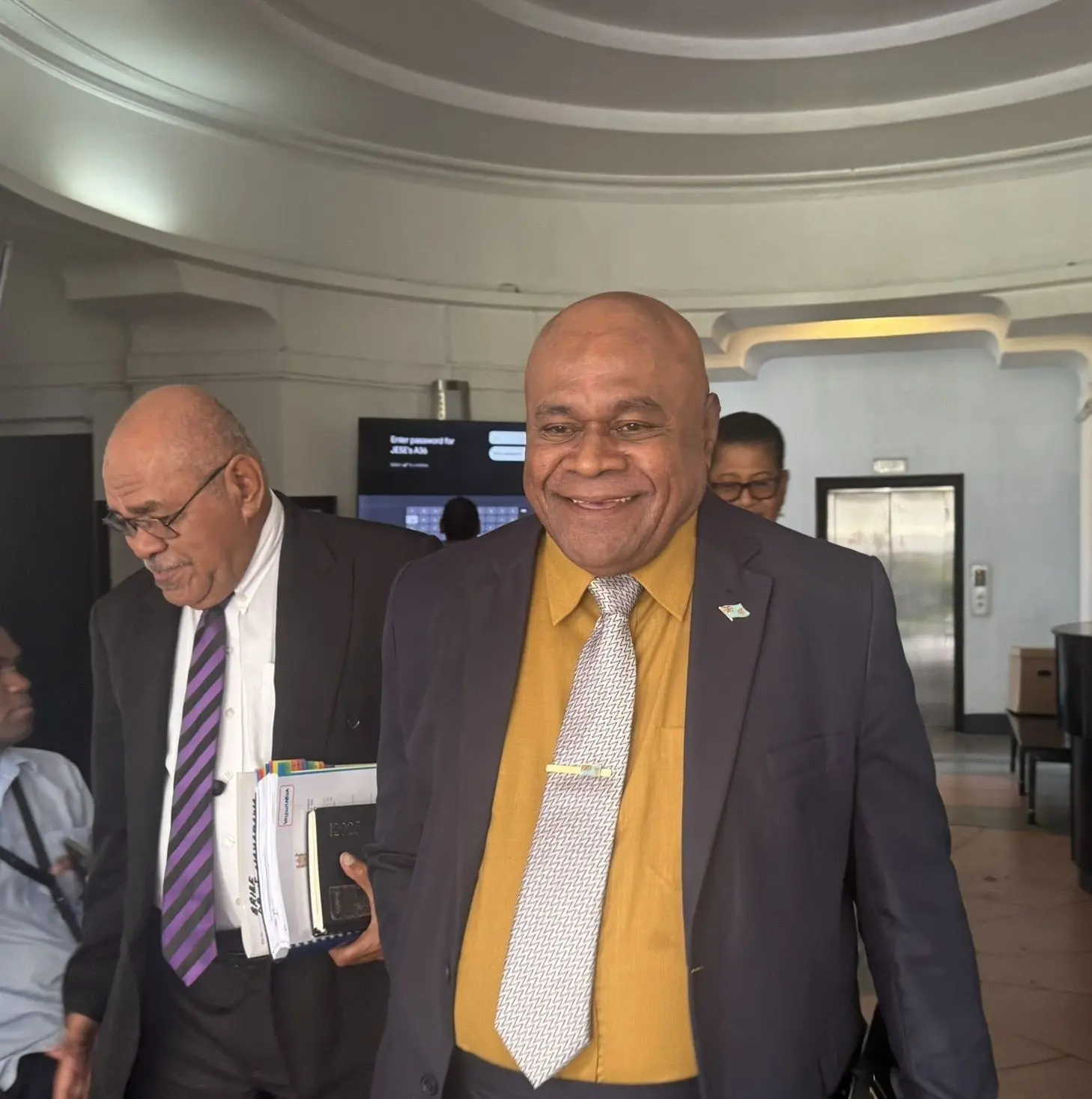
Minister for Information Lynda Tabuya, speaking on behalf of Prime Minister Sitiveni Rabuka, said the crisis required an urgent whole-of-government and whole-of-society response.
The Government declared the situation an HIV outbreak in January 2025. By the end of the year, 3,535 people were living with HIV in Fiji, with 1,979 receiving antiretroviral therapy.
Related stories
More than four in 10 people newly diagnosed in 2025, however, were not yet enrolled in care.
Two-thirds of those diagnosed last year were aged between 20 and 34, according to the Ministry of Health and Medical Services.
The ministry also recorded a 45 per cent increase in infections among children and teenagers aged 10 to 19.
Of the 67 children among the new cases recorded last year, 59 acquired HIV through mother-to-child transmission.
According to the ministry’s Sexual and Reproductive Health and HIV Unit, 117 people living with HIV died last year, including 17 children under the age of 15.
About 90 per cent of new diagnoses were among the iTaukei population, while infections among women were also increasing.
Ms Tabuya said Cabinet considered a response paper from the National HIV Outbreak and Cluster Response Taskforce before endorsing the declaration.
“Cabinet has endorsed declaring the HIV outbreak a national crisis. So, we are declaring it a national crisis under emergency powers,” she said.
“It is important for Fiji to respond accordingly. Government funding and support from development partners were already being directed towards the response.”
However, Ms Tabuya said the scale of the outbreak required a broader national effort.
The Ministry of Health and Medical Services has a dedicated unit responding to the outbreak, while Cabinet is considering further measures, including safe needle and syringe exchange programmes and stronger efforts to prevent and reduce sexually transmitted infections.
Ms Tabuya said the Ministry of Policing also needed to work closely with the Health Ministry, citing needle sharing associated with drug use as a major factor in HIV transmission.
Minister for Health Dr Ratu Atonio Lalabalavu was not present at the Cabinet meeting but said he was aware of the outbreak being declared a national crisis.
He said the declaration meant the ministry would need to “scale up” its current response.