Fiji to screen passengers before flights from November
New API and PNR systems will allow Immigration to receive passenger information up to 72 hours before travellers board flights to Fiji.
Tuesday 08 September 2026 | 07:00


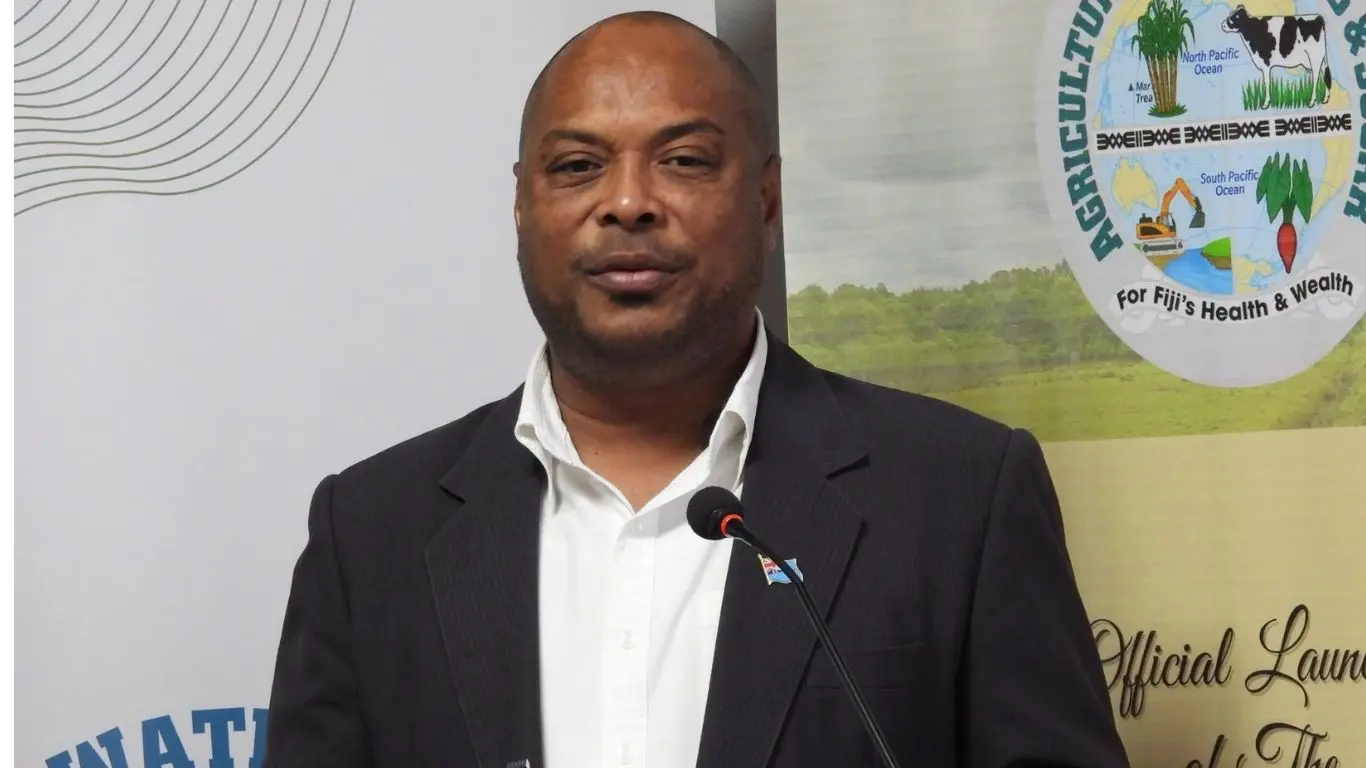
Ministry of Immigration permanent secretary Aliki Salusalu.
Photo: Supplied
Fiji will begin using two new passenger-screening systems from November 2, allowing the Ministry of Immigration to identify persons of interest before they board flights to the country.
Immigration permanent secretary Aliki Salusalu said the ministry was working on the Advanced Passenger Information (API) and Passenger Name Record (PNR) systems, which would be operational in two months.
API is an electronic system used by governments to collect personal and passport details from travellers before a flight departs, while PNR is a digital record of a passenger’s booking details and itinerary.
Related stories
“So any person of interest that has, an example, a red flag from any other country, we will be able to request the airline, please, this person need to be offloaded,” Mr Salusalu said.
“In that way we are moving our border outward and also keep our country safe from people or others that have other agendas to come to Fiji.
“So, at the moment we've got capacity-building development for immigration officers and immigration induction training.”
Mr Salusalu said information could be received up to 72 hours before a passenger boarded a plane.
He said Fiji’s border management system was also being strengthened through document forensic equipment donated by Australia under the Vuvale partnership, which has been operating in Nadi.
“In the last few weeks, we have detected some of the fraudulent documents, travel documents. So, we threw it under the microscope and there we see that it was tempered with, especially the cover page or the bio page, and has given us the confidence to say you'll be refused entry, because of the fraudulent document.”
He said immigration and border officers had also undertaken five weeks of induction training supported and fully funded by Australia.