Suicide prevention a shared responsibility: Acting PS Health
Rauto highlights gaps in services, data and access, particularly in rural and maritime areas
Tuesday 15 September 2026 | 06:30

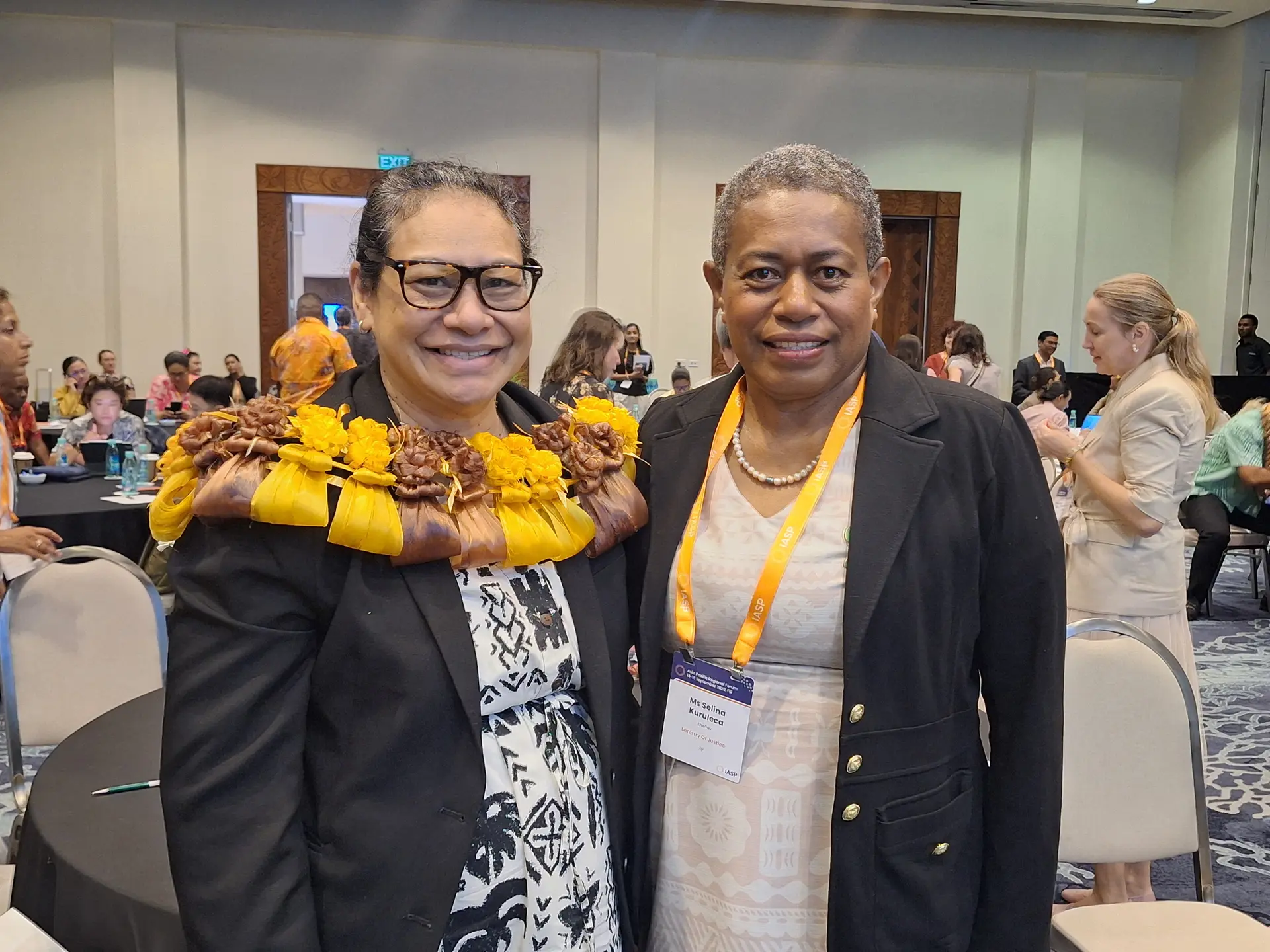
Acting permanent secretary for Health and Medical Services Dr Luisa Rauto with permanent secretary for Justice Selina Kuruleca.
Photo: Waisea Nasokia
Suicide prevention must go beyond the health sector and become a shared responsibility involving government, communities, families, schools and civil society.
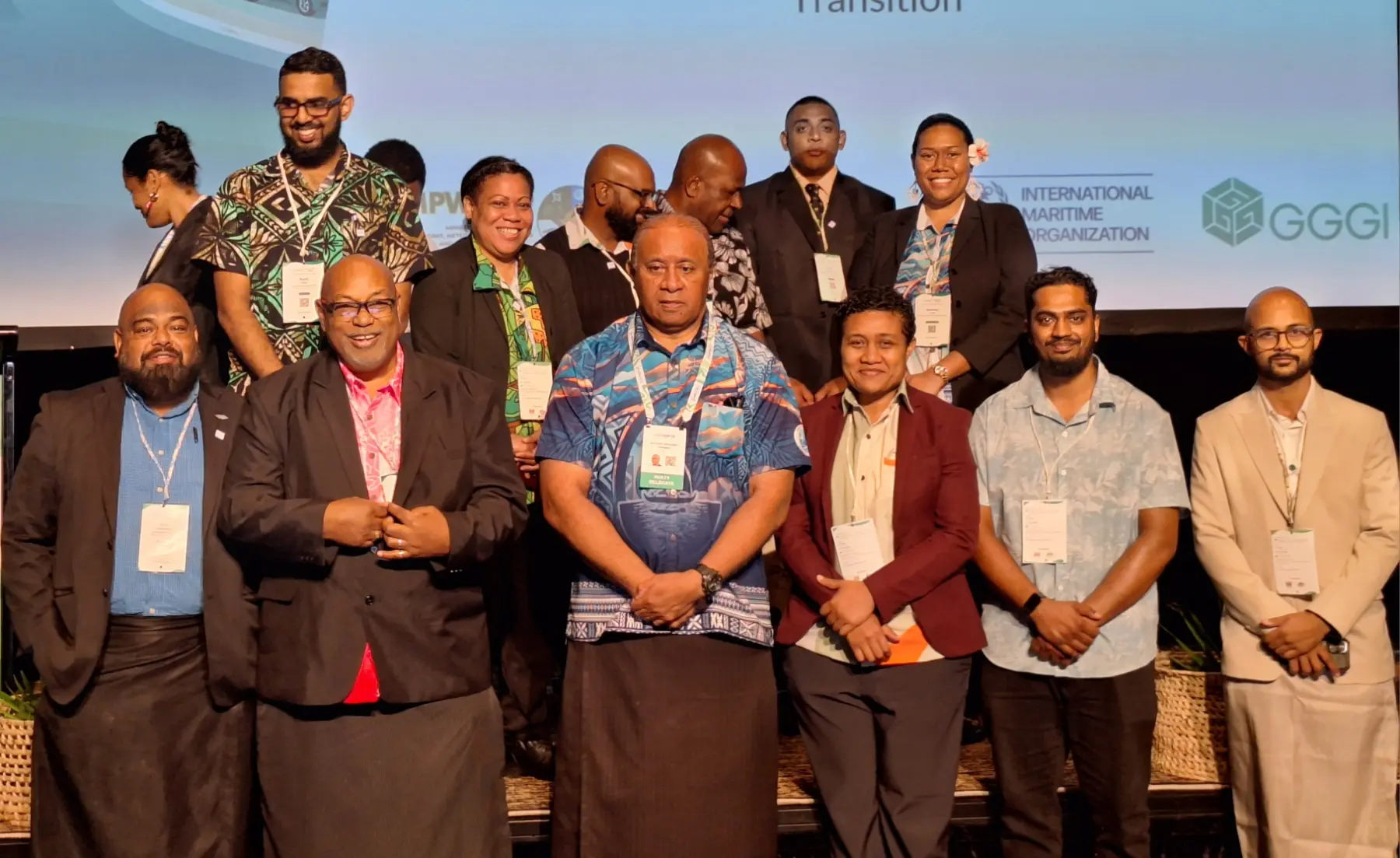
Speaking at the opening of the Asia Pacific Regional Forum at the Sofitel Fiji Resort and Spa in Denarau, Nadi yesterday, acting permanent secretary for Health and Medical Services Dr Luisa Rauto said no country, sector or organisation could address suicide prevention alone.
“Suicide prevention is a shared responsibility,” she said.
Related stories
Dr Rauto said suicide prevention was not only a public health issue, but also a social, community, youth, education and family issue requiring a whole-of-government and whole-of-society approach.
She said Fiji had made progress in strengthening its national response through the establishment of coordination mechanisms, including the National Committee on Prevention of Suicide.
However, she acknowledged that more work was needed to improve mental health services, community awareness, surveillance, capacity building and partnerships.
“We need to strengthen our ability to identify people at risk earlier,” Dr Rauto said.
She highlighted the need for accessible mental health and psychosocial support, better data on suicide and self-harm, stronger assistance for children and young people, and improved support for families and communities following suicide.
Dr Rauto said stigma, limited resources, workforce shortages and Fiji’s geographical challenges continued to affect access to appropriate services, particularly in rural and maritime communities.
She called for stronger collaboration across health, education, social protection, youth, justice, policing and community development.
The forum, she said, provided Fiji with an opportunity to learn from other countries while sharing Pacific approaches grounded in culture, community and evidence.
“Our culture can be part of the solution,” Dr Rauto said.
She urged participants to turn discussions into stronger partnerships, sustainable systems and practical action to ensure people experiencing distress could access help with dignity and compassion.