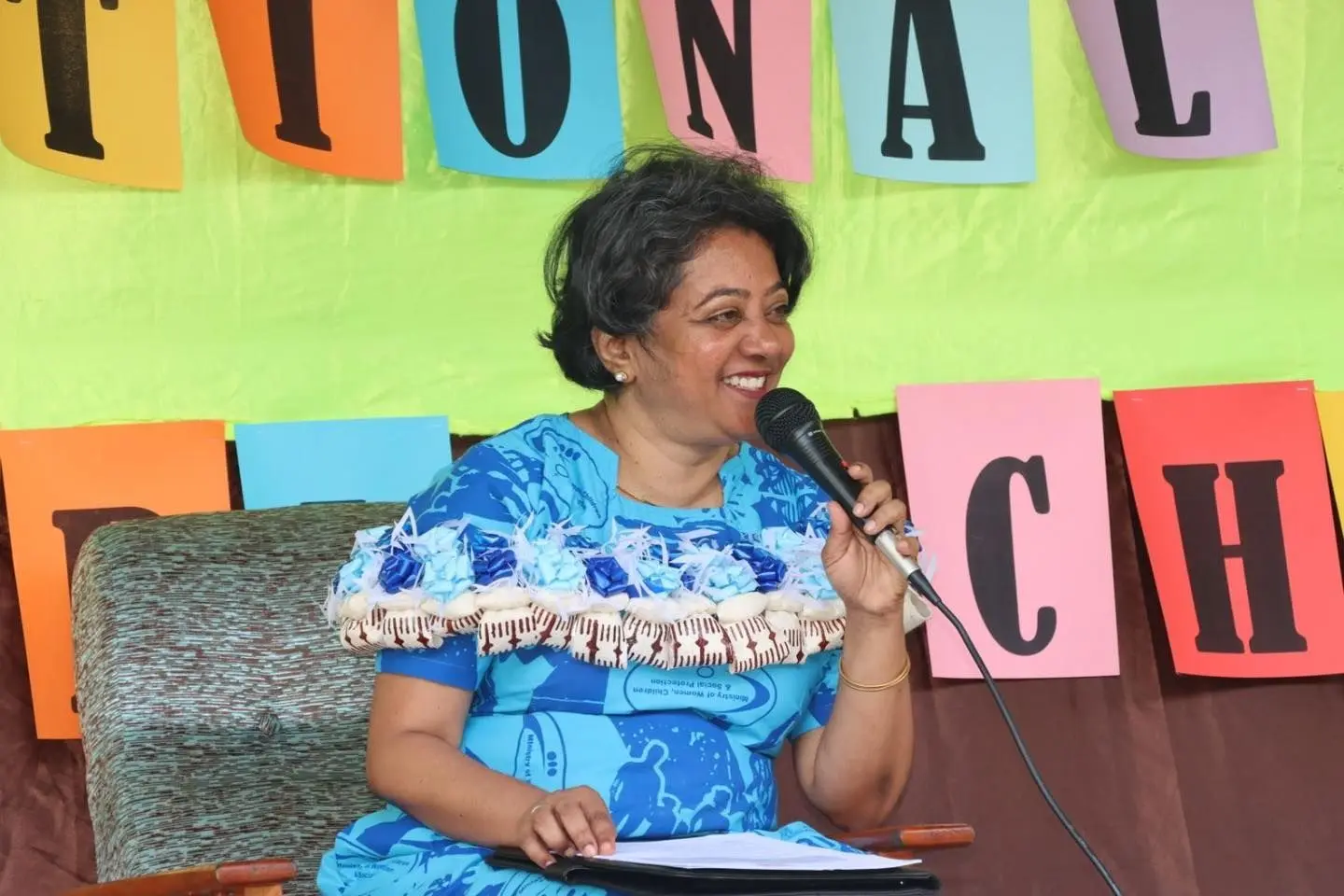
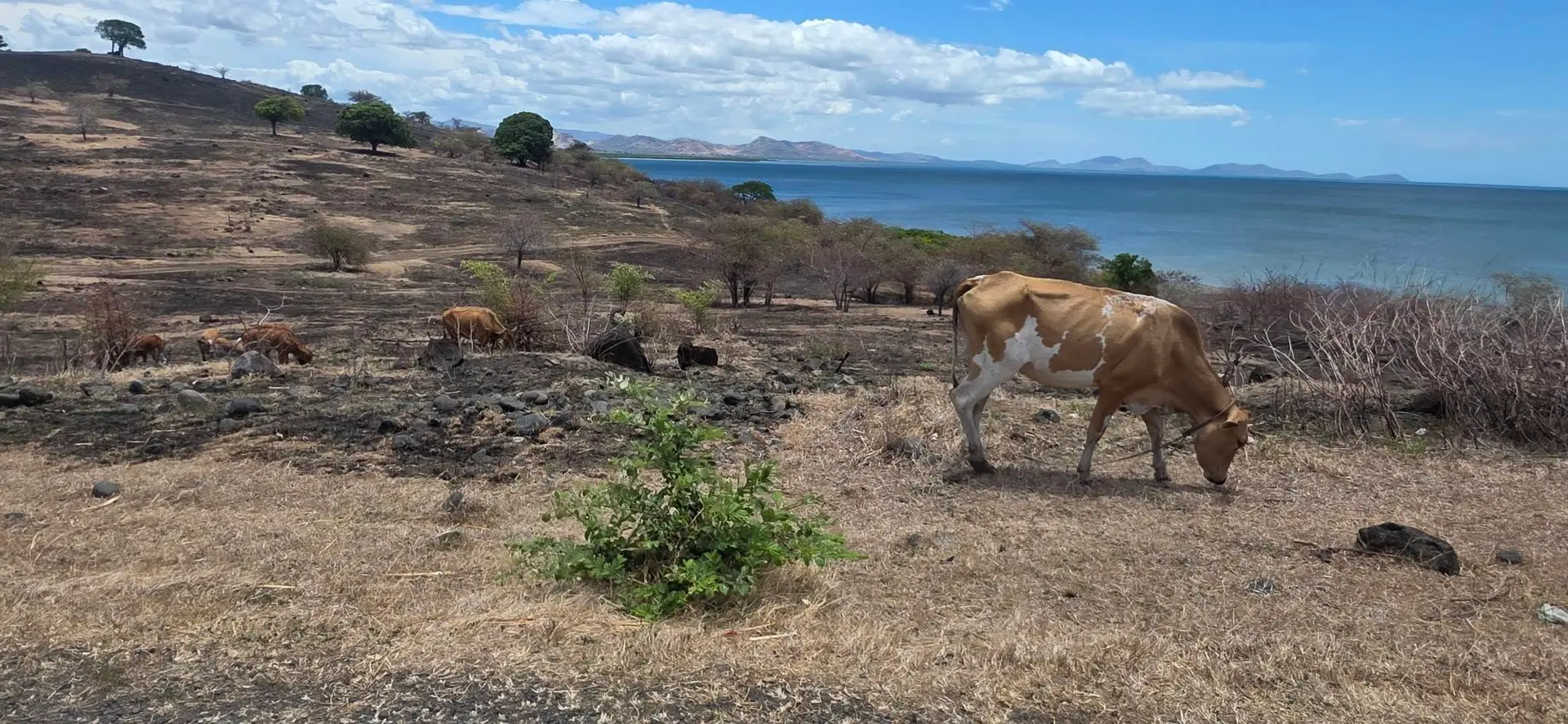
Women lead climate fight in Togovere
Women of Yavusa Namacuku are planting trees and raising seedlings to protect riverbanks, coastlines and food sources from the growing impacts of climate change.
Wednesday 25 November 2026 | 13:30
Updated 25 November 2026 | 15:03 FJT

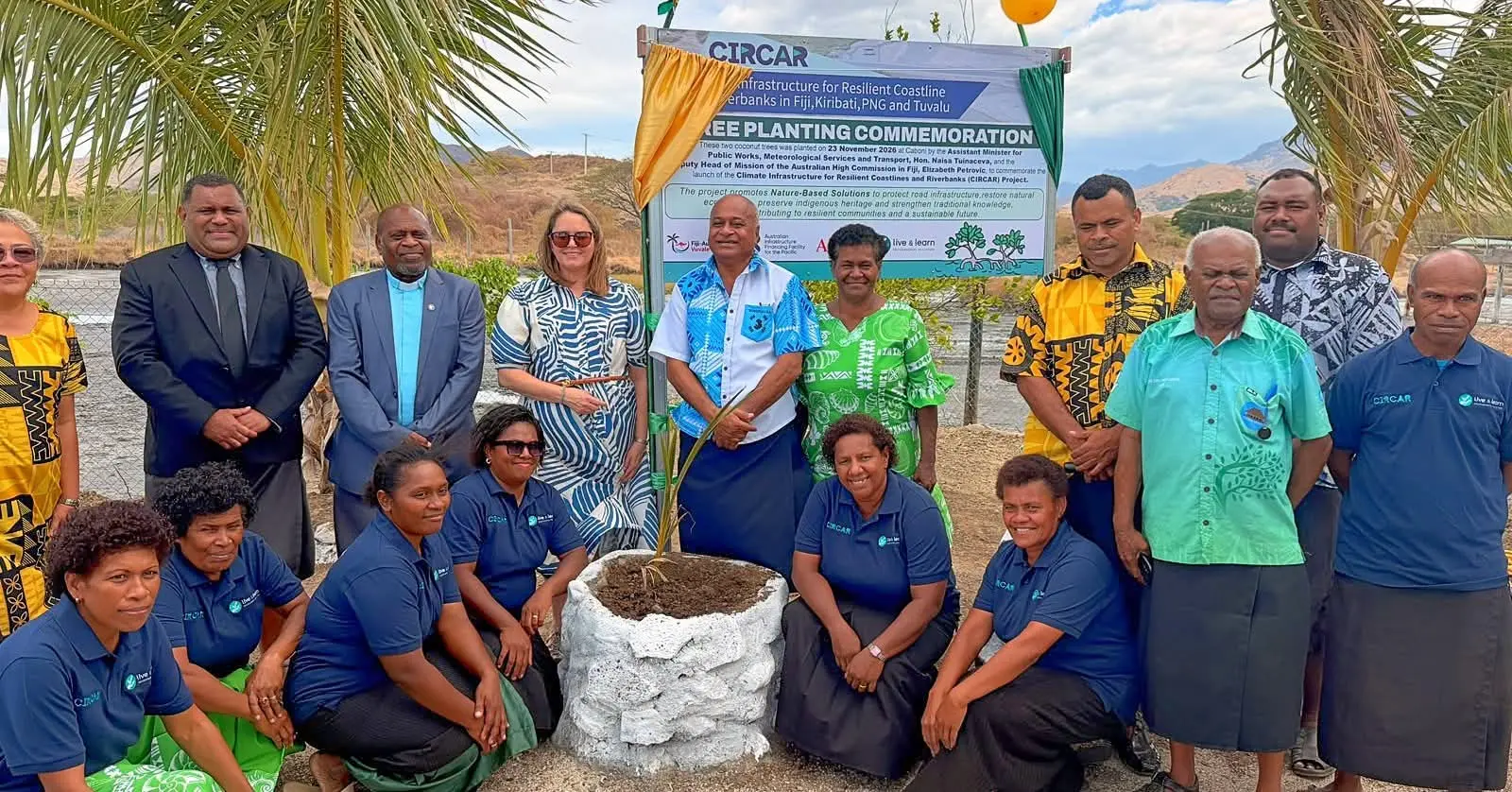
Assistant Minister for Public Works, Meteorological Services and Transport Naisa Tuinaceva with a rep from the Australian government, stakeholders and Togovere Village women during the launch of the Climate Infrastructure for Resilient Coastlines and Riverbanks (CIRCAR) Project on November 23, 2026.
Women of Yavusa Namacuku in Togovere, Ra, are taking the lead in protecting their village from climate change through nurseries and tree planting to safeguard their land, coastal areas and future food supplies.
For Adi Naomi Vakaiyanuyanu, president of the women of Yavusa Namacuku, the work is about more than planting trees. It is about protecting the resources their families depend on and ensuring future generations can continue to live off the land and sea.
The women have been trained to understand the effects of climate change and the importance of protecting their environment. They have also learnt how to grow food crops and vegetation that can help strengthen the surrounding environment.
Related stories
Adi Naomi said the training had changed the way villagers viewed their natural surroundings.
“Before, anyone could burn trees or bushes, but now we have learnt to preserve our environment and not destroy it,” she said.
The women launched their nursery on Monday, with seedlings intended for planting along coastal areas and roadsides.
They are currently growing lemon and comcort plants, while Yaqara has provided land where they can plant more than 1000 avocado seedlings.
Adi Naomi said the trees would help reduce soil erosion, particularly along riverbanks that were increasingly vulnerable to flooding.
“When there is flooding, our main riverbanks start to erode. When trees are planted, they will help protect the riverbanks, and we will also benefit from the fruits,” she said.
However, the women face another challenge: water shortages.
Adi Naomi said the village had experienced difficulties accessing water, with residents relying on assistance from the Water Authority in Rakiraki to fill their tanks and share supplies.
The Ministry of Mineral Resources has also helped by drilling a new borehole, which is expected to provide water to the village in the coming weeks.
Despite the challenges, the women remain committed to the project, maintaining their nurseries with the water supplies available to them.
Their concerns also extend to the sea, which provides an important source of food for the community.
Adi Naomi said they were worried that climate change could affect the fish and crabs found in their waters.
Assistant Minister for Public Works, Meteorological Services and Transport Naisa Tuinaceva officiated at the launch of the Climate Infrastructure for Resilient Coastlines and Riverbanks (CIRCAR) Project on Monday.
The project combines nature-based solutions with engineering measures to protect vulnerable roads, riverbanks and coastal areas from erosion and climate impacts.
Adi Naomi said the women were determined to support the initiative. “We are doing this for our children and future generations,” she said.
She thanked the Australian government, the Fiji Government and project stakeholders for supporting the community.